The Solana HFT infrastructure stack
Building a high-frequency trading (HFT) system on Solana requires moving beyond standard retail tools. While a typical user might rely on a web wallet and a public RPC endpoint, an HFT operator needs a specialized infrastructure stack designed for microsecond execution. This stack consists of three critical layers: low-latency RPC access, co-located server infrastructure, and ephemeral rollups for transaction ordering.
RPC and Network Proximity
The first layer is the connection to the Solana network. Public RPC nodes are shared resources with variable latency, making them unsuitable for HFT. Instead, operators use dedicated, high-throughput RPC endpoints, often hosted by specialized providers like MagicBlock or Helius. These nodes prioritize transaction submission and block propagation, reducing the time between intent and execution. For many strategies, this means running the trading bot on the same cloud provider and availability zone as the validator or RPC node to minimize network hops.
Ephemeral Rollups and Sequencing
The second layer addresses the challenge of transaction ordering and throughput. Standard Solana transactions compete in a single global mempool, where latency and priority fees can lead to unpredictable execution. Ephemeral rollups, such as those offered by MagicBlock, create temporary, high-throughput execution environments. These rollups bundle transactions off-chain and settle them on Solana, offering sub-50ms latency and first-come-first-served (FCFS) sequencing. This predictability is essential for strategies that rely on precise timing, such as arbitrage or market making, where being first in the block is often more important than paying a high priority fee.
Co-location and Hardware
The final layer involves physical proximity. While cloud-based solutions have improved, the most aggressive HFT firms still use co-located servers. By placing their hardware in the same data center as the Solana validator nodes, they eliminate almost all network latency. This setup allows for direct UDP communication with the validators, bypassing much of the standard TCP/IP stack. For most traders, however, a well-configured cloud instance with a dedicated RPC node provides a sufficient balance of cost and performance.
Choosing the right DEX for market structure arbitrage
Speed and liquidity depth are the only metrics that matter when executing high-frequency strategies on Solana. A millisecond delay or a shallow order book can turn a profitable arb into a loss. The top three Solana DEXs—Jupiter, Raydium, and Orca—offer distinct infrastructure advantages depending on whether you prioritize aggregation, concentrated liquidity, or predictable slippage.
Jupiter: The Aggregation Layer
Jupiter is not a single AMM but an aggregator that routes trades across multiple venues. For high-frequency trading, this is critical because it ensures you always get the best available price by splitting orders across the deepest pools. Its API is optimized for low-latency execution, making it the default choice for bots and algorithms that need to capture fleeting price discrepancies across the Solana ecosystem.
Raydium: Concentrated Liquidity
Raydium provides concentrated liquidity pools that offer tighter spreads for specific price ranges. This structure is ideal for strategies that rely on mean reversion within narrow bands. However, the depth can vanish quickly if the price moves out of the concentrated range, requiring constant rebalancing. It is best used for assets with high, consistent volume where liquidity providers are actively managing their positions.
Orca: Whirlpools for Stability
Orca’s Whirlpools offer a user-friendly interface for concentrated liquidity but with a focus on stability and ease of use. While its raw speed might not match Jupiter’s aggregation engine, Orca’s liquidity is often more stable for mid-cap tokens. It serves as a reliable fallback for strategies that need to execute larger orders without suffering from severe slippage on less liquid pairs.
| DEX | Latency Profile | Liquidity Depth | Best For |
|---|---|---|---|
| Jupiter | Ultra-low (aggregated) | Highest (cross-venue) | Arbitrage & Bot Trading |
| Raydium | Low (native AMM) | High (concentrated) | Mean Reversion Strategies |
| Orca | Moderate (optimized) | Stable (Whirlpools) | Large Order Execution |


As an Amazon Associate, we may earn from qualifying purchases.
Technical Context
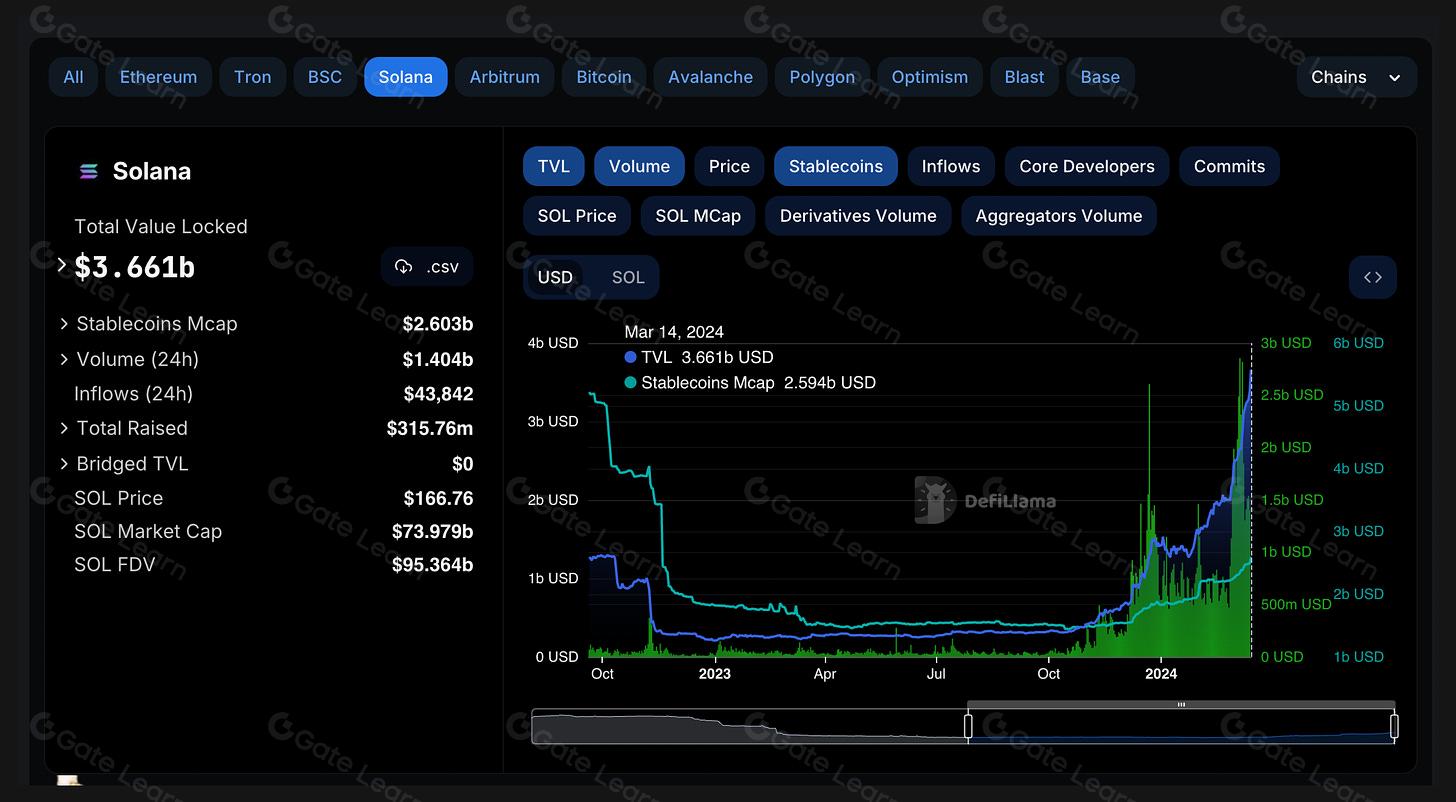
The performance of these DEXs is heavily dependent on your RPC node configuration. A public RPC will introduce enough latency to ruin a high-frequency strategy. You need a dedicated, high-throughput node to handle the transaction speed required for these arbitrage opportunities.
Execution tools and bot development
Building a Solana high-frequency DeFi trading bot requires a specialized software stack designed to minimize latency at every step. The foundation of this infrastructure is your RPC node selection. Public nodes are insufficient for HFT due to rate limits and variable latency; you need a dedicated, high-performance RPC provider or a self-hosted validator node to ensure consistent block propagation times. This direct line to the network allows your bot to submit transactions before they are confirmed, a critical advantage in competitive environments like meme coin launches or arbitrage opportunities.
Once the node is secured, transaction routing becomes the next priority. Standard transaction submission often results in failed trades due to network congestion or front-running. Integrating with private transaction relays like Jito allows your bot to bundle transactions with tips paid directly to block builders. This mechanism bypasses the public mempool, reducing the risk of sandwich attacks and ensuring higher execution success rates. The choice of relay can significantly impact your bot's profitability, especially during high-volatility periods.
The development process itself is rigorous. Developers often spend months refining their code to shave off milliseconds, as even minor inefficiencies in serialization or network handling can lead to lost trades. It is not uncommon for teams to dedicate extensive resources to optimizing their C++ or Rust codebases, recognizing that the difference between a profitable bot and a failing one often comes down to infrastructure precision. The environment is unforgiving, and the latency requirements are among the strictest in the crypto space.
The 3-5-7 Rule for Latency-Sensitive Risk
High-frequency trading on Solana moves at the speed of light, but your capital moves at the speed of your risk management. In an environment where a single block can see thousands of transactions, emotional discipline is replaced by hard-coded limits. The 3-5-7 rule provides a structured framework to keep your portfolio intact when the market turns volatile.
This hierarchy prevents a single bad arbitrage execution or a failed MEV (Maximal Extractable Value) bot from wiping out your account. The 3% per-trade limit acts as a circuit breaker for individual strategies. If a specific DEX pair or liquidity pool trade hits this threshold, the position is closed immediately, regardless of the potential upside. This is critical in HFT, where "hope" is not a strategy.
The 5% per-position limit applies when you are running multiple correlated trades, such as providing liquidity across several Raydium or Orca pools. Even if individual trades are within their 3% limits, the aggregate exposure to a single asset or sector cannot exceed 5%. This ensures that a systemic issue, like a stablecoin depeg or a bridge hack, doesn't cascade through your entire strategy.
Finally, the 7% total portfolio cap is your ultimate shield. No matter how many bots are running or how many positions are open, your total daily loss cannot exceed 7% of your starting capital. Once this threshold is hit, all trading activity must halt. This forces a review of your infrastructure, latency issues, or market conditions before you resume.
In high-frequency DeFi, speed is your edge, but risk management is your survival. By enforcing these strict numerical boundaries, you ensure that your infrastructure investments—RPC nodes, private transaction relays, and low-latency clients—have time to compound rather than evaporate in a single bad day.
Essential hardware and software checklist
Deploying a Solana high-frequency DeFi trading strategy requires infrastructure optimized for sub-millisecond latency. The gap between a signal and execution is where profits are made or lost. This checklist outlines the non-negotiable tools for competitive performance.
Public RPC nodes are insufficient for HFT. Use a dedicated, high-throughput provider or run a validator node to minimize network hops. Prioritize providers offering WebSocket streams for real-time slot updates and transaction processing unit (TPU) direct connections.
Physical proximity to the Solana validator cluster reduces propagation delay. Co-locate servers in the same data center as major validator operators. Use 10Gbps+ dedicated links with kernel-bypass networking (like DPDK) to bypass OS overhead during peak throughput.
Standard web3 libraries are too slow. Use Rust-based SDKs for transaction signing and serialization. Implement custom bots that handle priority fees and compute budget optimization natively, ensuring your transactions land in the desired slot without excessive gas costs.
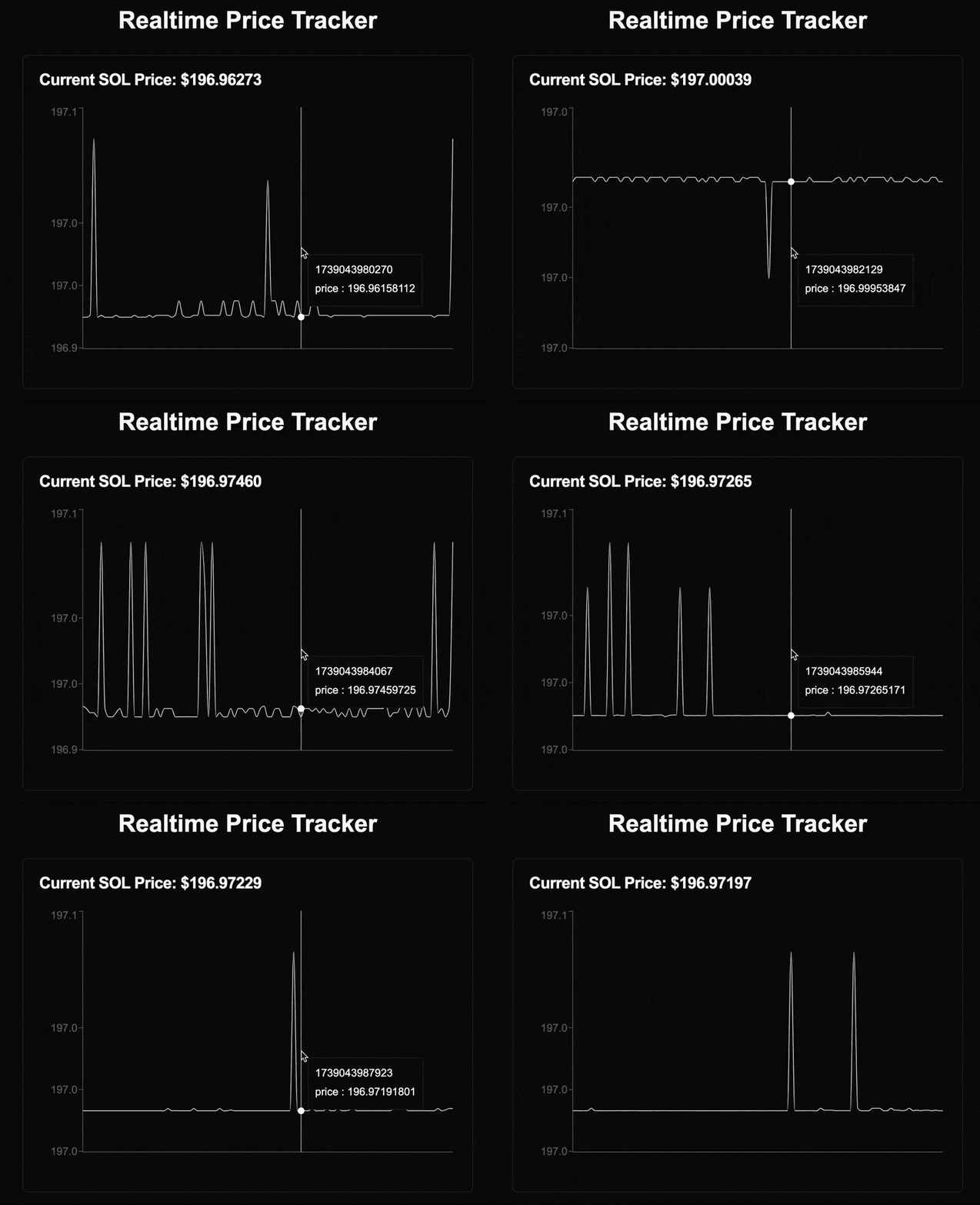
Latency spikes can erase margins. Deploy monitoring tools that track end-to-end transaction latency, block processing time, and wallet balance changes in real-time. Set up automated alerts for failed transactions or unusual network congestion to trigger immediate strategy pauses.
No comments yet. Be the first to share your thoughts!