Why Solana fits high-frequency trading
Solana’s architecture is built for velocity. While other blockchains treat transactions like mail, Solana processes them like fiber-optic pulses. For a Solana High-Frequency DeFi Trading guide, this distinction isn't just about speed—it's about the mathematical possibility of executing strategies that are simply too slow or too expensive on legacy chains.
The core advantage lies in Solana’s 400-millisecond block times. This rapid cadence allows traders to manage active positions with a granularity that older networks cannot match. As noted by developers in the algorithmic trading community, this speed enables active management without the need for predatory front-running, relying instead on pure execution efficiency.
Cost is the other pillar of this advantage. High-frequency strategies rely on thin margins that are quickly eroded by network congestion fees. Solana’s low transaction costs ensure that the spread between entry and exit remains the primary variable, not the gas paid to the network. This economic structure makes it viable to run bots that might otherwise lose money on a single round trip on Ethereum or Bitcoin.
How Latency Arbitrage Works on Solana
Latency arbitrage is the practice of exploiting price differences between centralized exchanges (CEXs) and decentralized exchanges (DEXs). On Solana, this happens when a major price move occurs on a CEX like Binance or Coinbase, but that price hasn't fully propagated to on-chain liquidity pools yet. Traders use this brief window to buy low on the DEX and sell high on the CEX, or vice versa, capturing the spread before the market corrects.
Solana's architecture makes this uniquely viable. With block times under 400 milliseconds and transaction costs near zero, high-frequency trading bots can react to price signals faster than on Ethereum or older chains. A bot monitors CEX order books in real-time. When it detects a significant price shift, it instantly submits a transaction to a Solana DEX like Raydium or Orca. If the DEX price hasn't updated, the trade executes at the outdated rate.
The core mechanic relies on speed. You aren't predicting the market direction; you are betting on the delay between markets. If you are too slow, the arbitrage opportunity vanishes, and you might end up holding an asset that has just dropped in value. This is why infrastructure matters: dedicated servers, optimized code, and direct node connections are standard for serious latency arbitrageurs.
While the concept is simple, execution is brutal. Competition is fierce, with thousands of bots vying for the same spreads. A single failed transaction or network congestion can turn a profitable trade into a loss. Understanding these mechanics is the first step in building a strategy that survives in the Solana high-frequency DeFi trading landscape.
Infrastructure for sub-50ms execution
Building a Solana High-Frequency DeFi Trading guide requires more than just a smart contract; it demands a backend engineered for speed. In this environment, milliseconds are the difference between profit and slippage. The technical stack must prioritize low-latency RPC nodes, strategic colocation, and rollup solutions that bypass standard network congestion.
RPC Nodes and Colocation
Standard public RPC endpoints introduce unpredictable latency that breaks HFT strategies. You need dedicated, high-performance nodes located physically close to the validator cluster. This colocation minimizes the time it takes for your transaction to reach the network.
Providers like RPC Fast offer infrastructure specifically designed for this latency arbitrage, ensuring your orders hit the block producer before the competition. Without this physical proximity and dedicated bandwidth, your trade signals arrive too late to execute at the desired price.
Rollup Solutions
For true sub-50ms execution, you must look beyond standard layer-1 transactions. Rollup solutions like MagicBlock provide ephemeral rollups that deliver CEX-speed trading on Solana. These rollups offer predictable costs and first-come-first-served (FCFS) sequencing, which is critical for maintaining fairness and speed in high-frequency strategies.
By combining dedicated RPC infrastructure with rollup technology, you create a stack capable of exploiting the fastest opportunities in the Solana DeFi ecosystem.
Top Solana DEXs for HFT Strategies
For high-frequency trading bots, the choice of decentralized exchange isn't just about interface; it's about infrastructure. Latency arbitrage on Solana requires DEXs that offer deep liquidity pools, minimal slippage on large orders, and robust API reliability. While the Solana network itself provides the speed, the DEX layer determines whether your bot can execute trades before the market moves.
The three primary contenders for HFT strategies are Jupiter, Raydium, and Orca. Each serves a distinct role in the Solana DeFi ecosystem. Jupiter acts as the aggregator, routing orders to find the best prices across multiple venues. Raydium provides deep concentrated liquidity, particularly for newly launched tokens. Orca offers a user-friendly interface with concentrated liquidity pools, though its API depth is often secondary to the larger aggregators.
Jupiter: The Aggregator Engine
Jupiter is the dominant liquidity aggregator on Solana. For HFT bots, Jupiter is essential because it splits orders across multiple DEXs to minimize slippage. Its API is highly optimized for low-latency execution, making it the default choice for most arbitrage strategies. Jupiter's dominance means it often has the deepest order books for major pairs.
Raydium: Deep Liquidity for New Assets
Raydium is the primary source of concentrated liquidity on Solana. Many new token launches originate here, creating opportunities for early arbitrage. However, liquidity can be fragmented, and API reliability may vary during high volatility. Bots targeting new launches must monitor Raydium closely, but often route through Jupiter for final execution.
Orca: Reliable but Secondary
Orca is a well-established DEX with a strong focus on user experience. While it offers concentrated liquidity, its market share is smaller than Jupiter or Raydium. For HFT, Orca is often used as a secondary route when other venues are thin. Its API is stable, but it lacks the depth required for large-volume arbitrage.
Comparison of Key HFT Metrics
The table below compares the core metrics relevant to high-frequency trading bots. These factors determine execution speed, cost, and reliability.
| DEX | Primary Role | Liquidity Depth | API Reliability | Avg Slippage |
|---|---|---|---|---|
| Jupiter | Aggregator | Very High | Excellent | Minimal |
| Raydium | Concentrated Liquidity | High (New Pairs) | Good | Low |
| Orca | Concentrated Liquidity | Medium | Good | Low |
When building a Solana high-frequency DeFi trading guide, integrating these DEXs requires careful API management. Jupiter's aggregation logic reduces the need to connect to multiple DEXs directly, simplifying the bot architecture. However, for specialized strategies targeting new launches, direct Raydium integration may be necessary. Always test latency against local Solana validators to ensure your bot can compete with other HFT participants.
Build, test, and deploy your Solana HFT bot
Developing a Solana High-Frequency DeFi Trading bot requires more than just fast code; it demands a rigorous workflow that prioritizes risk management above all else. Because Solana’s 400ms block times allow for active management without immediate front-running pressure, your bot’s logic must be precise and resilient. Start by defining your strategy’s core mechanics, then move immediately to local backtesting using historical on-chain data. This ensures your edge is real before you risk capital.

Install the Solana CLI and configure your RPC endpoint. Use a high-performance node to minimize latency. Connect your development environment to the Solana documentation for the latest program interfaces. This foundation is critical for a Solana High-Frequency DeFi Trading guide, as network stability dictates execution speed.
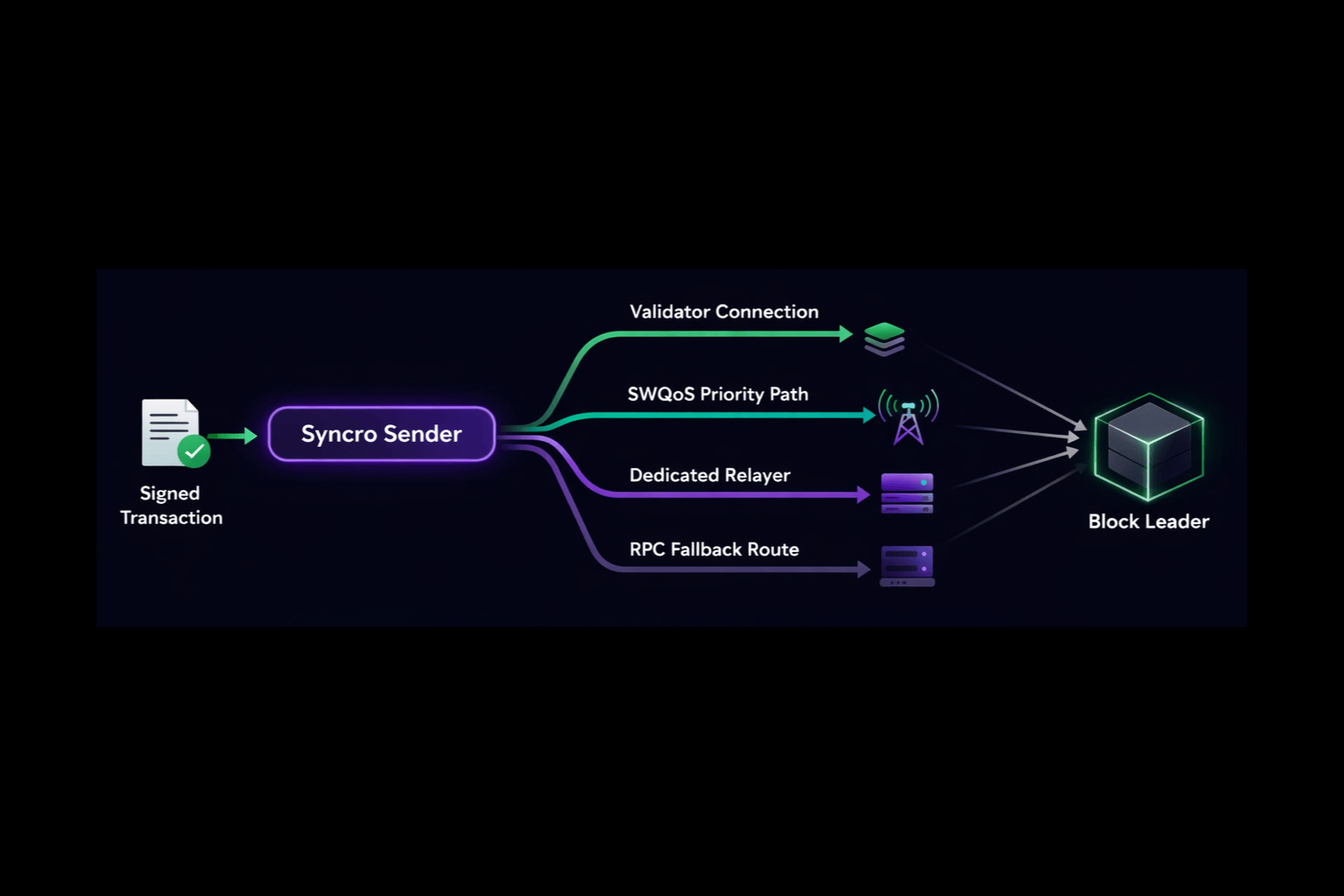
Run your strategy against past block data. Use local simulation to identify edge cases where slippage or failed transactions would have caused losses. This step filters out theoretical strategies that fail under real-world network congestion.

Hard-code maximum position sizes, daily loss limits, and circuit breakers. Your bot should automatically pause trading if anomalies occur. This prevents catastrophic errors during high-volatility periods.

Run the bot on Solana’s testnet with simulated funds. Verify that transaction submission and confirmation times match your expectations. Only move to mainnet-beta after confirming stability over several days of continuous operation.
After deployment, monitor performance closely. Use a TechnicalChart to track your bot’s execution efficiency against market benchmarks. Adjust parameters based on real-time data, but avoid over-optimizing for past conditions. The goal is consistent, low-latency execution, not chasing every micro-tick.
Helpful gear
Use these product recommendations as a starting point, then choose the size, material, and price point that fit how you actually use the gear.
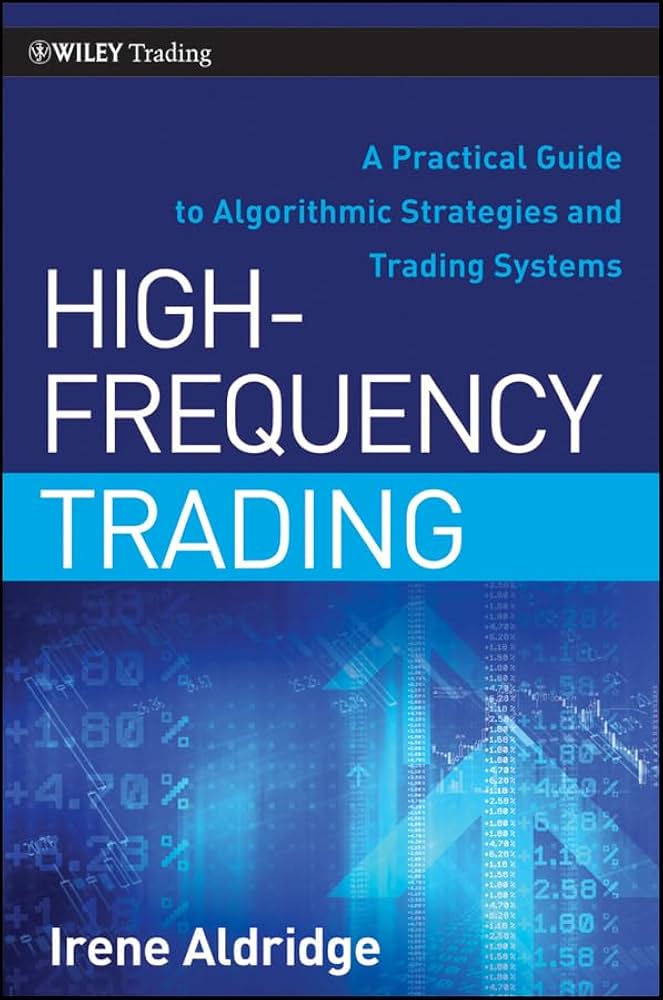
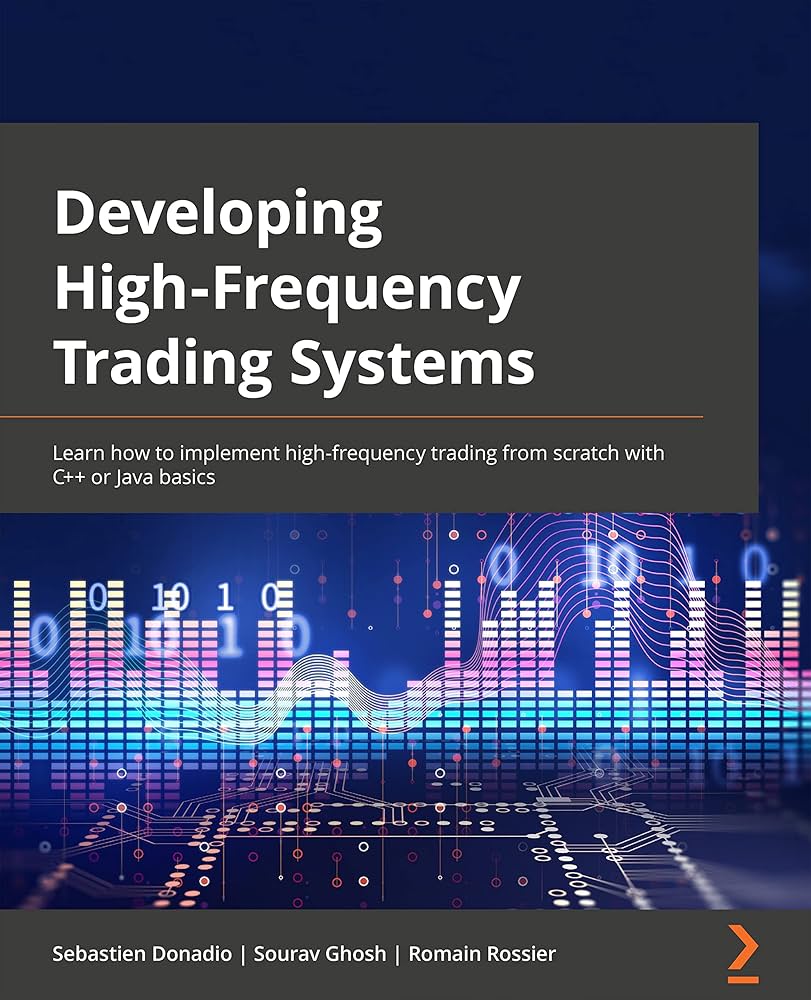

As an Amazon Associate, we may earn from qualifying purchases.
No comments yet. Be the first to share your thoughts!