Budgeting for Solana High-Frequency DeFi Trading
Running a Solana HFT setup is less about buying the cheapest gear and more about matching hardware to latency requirements. A bare-metal cluster deployed for high-frequency routing demands consistent performance, not just raw power. You need to balance the initial capital outlay against the recurring costs of colocation or high-bandwidth home internet.
Start by defining your latency floor. If you are competing on the order book, every millisecond counts. This often means investing in dedicated hardware rather than relying on cloud instances that introduce variable network hops. The tradeoff is clear: higher upfront infrastructure costs for predictable, ultra-low latency execution.
For those testing the waters, a mid-range workstation can suffice for basic arbitrage bots, but it will struggle with complex, multi-hop strategies. As you scale, the budget shifts toward specialized networking equipment and redundant power supplies. Remember that reliability is part of the cost; downtime during a volatile market swing can erase weeks of profits.
The following tools represent the essential hardware and software stack for building a competitive Solana HFT infrastructure. These selections focus on durability and performance, ensuring your trading operations remain stable under pressure.
Top Infrastructure Tools for Solana HFT
Building a high-frequency trading stack on Solana requires hardware and software that minimize latency at every layer. The gap between a standard RPC node and an HFT-optimized setup can mean the difference between capturing alpha and front-running yourself. We compared the most critical components for 2026, focusing on bare-metal performance, low-latency networking, and reliable data ingestion.
1. Bare-Metal Server Clusters
Cloud instances introduce virtualization overhead that HFT strategies cannot afford. Dedicated bare-metal servers colocated near Solana validator regions (typically Tokyo, New York, or Amsterdam) provide direct hardware access. Look for configurations with high-core-count CPUs and NVMe SSDs for rapid state syncing. This is the foundation of any serious HFT operation.
2. Low-Latency RPC Nodes
Standard public RPCs are too slow for sub-millisecond trading. Private RPC providers offer dedicated endpoints with pre-validated transactions and faster block propagation. Services like Helius or Triton provide the necessary throughput for monitoring mempool events and submitting trades before they land on-chain. This layer acts as your primary data feed.
3. Execution SDKs and Wrappers
Writing raw transactions in Rust or Python is error-prone and slow. Mature SDKs like Solana Web3.js (optimized) or Rust-based frameworks like solana-program-library extensions offer pre-built functions for swap, stake, and lending operations. These wrappers handle signature batching and priority fee calculations, ensuring your code executes efficiently without reinventing the wheel.
4. Monitoring and Alerting Systems
You cannot trade what you cannot see. Real-time monitoring tools track transaction status, slippage, and gas usage. Solutions like Dune Analytics dashboards or custom Grafana setups provide visibility into your bot’s performance. Without this layer, debugging latency issues becomes a guessing game, costing you potential profits.
| Component | Primary Benefit | Ideal For | Cost Tier |
|---|---|---|---|
| Bare-Metal Servers | Eliminates virtualization latency | Core execution engines | High |
| Private RPC Nodes | Faster block data access | Mempool monitoring | Medium-High |
| Optimized SDKs | Reduced code execution time | Strategy development | Low-Medium |
| Monitoring Dashboards | Real-time performance tracking | Risk management | Low |
Choosing the Right Stack
Selecting the right combination depends on your specific strategy. Market makers need bare-metal proximity, while arbitrage bots might prioritize RPC speed. Avoid over-engineering; start with a robust private RPC and optimized SDK, then scale to dedicated hardware as your volume increases. Remember, the fastest code is useless if the data feed is delayed.
Inspect the expensive parts
High-frequency trading on Solana is unforgiving when infrastructure fails. A single dropped transaction or missed block slot can erase minutes of alpha. The most effective way to protect capital is to audit your setup against the failure points that actually cost money. This checklist focuses on the expensive parts of your stack, from node architecture to execution logic.
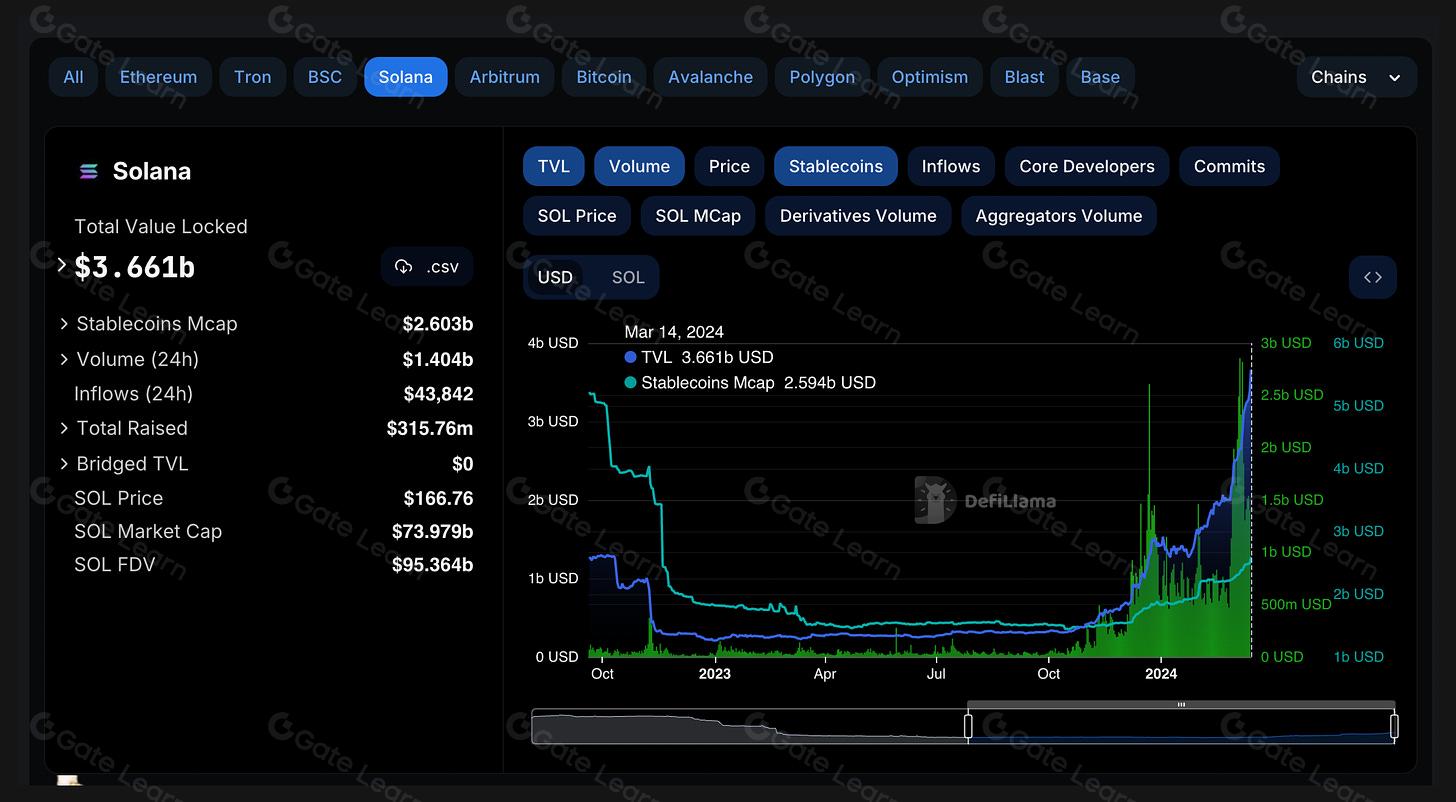
Latency is your primary enemy. Verify that your validator node is hosted in the same region as the cluster leader. Bare-metal servers in the same data center as the leader typically offer the lowest latency. Cloud-hosted nodes often add unpredictable network hops that can cost you the trade. If you are not running a dedicated node, your strategy is already at a disadvantage.
Standard transaction fees are too slow for HFT. You must implement compute budget priorities to pay for expedited processing. Check that your code dynamically adjusts these fees based on network congestion. If you skip this, your transactions will sit in the queue while the market moves without you.
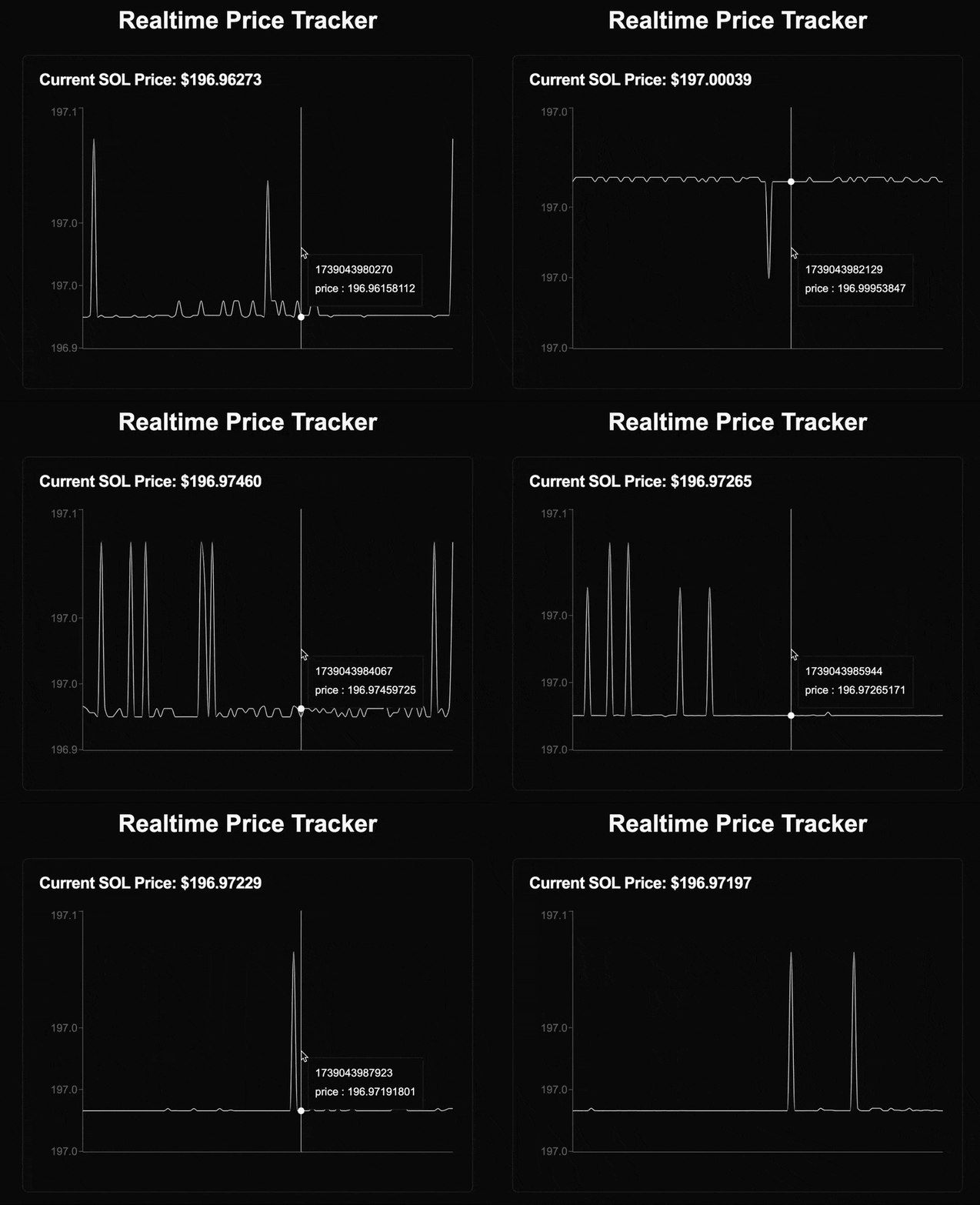
Relying on a single RPC provider is a single point of failure. Set up a failover system that switches to secondary providers if the primary node times out or drops packets. Monitor the health of these connections continuously. A five-second gap in data can mean a failed arbitrage opportunity or a bad fill.
Your code must handle failed transactions gracefully without draining your wallet. Ensure that you are not paying priority fees for transactions that are destined to fail due to slippage. Implement strict pre-trade checks that validate account balances and pool liquidity before submitting the transaction.
Define hard caps on how much capital you risk per trade. HFT strategies can compound losses quickly if a market moves against you unexpectedly. Set automatic exit triggers that close positions if volatility exceeds a certain threshold. This prevents a single glitch from wiping out your entire account.


As an Amazon Associate, we may earn from qualifying purchases.
Plan for ownership costs
A low entry price rarely reflects the true cost of running a high-frequency trading node on Solana. The infrastructure required to capture alpha—bare-metal servers, dedicated network paths, and specialized hardware—creates a recurring overhead that can quickly erase margins. What appears cheap on paper often becomes expensive once you factor in the maintenance surprises that come with maintaining a competitive edge.
The most significant cost driver is often the hardware itself. HFT nodes require high-performance CPUs with strong single-thread performance and low-latency network interfaces. Standard cloud instances are often too slow or too noisy to compete effectively. Many operators find themselves upgrading to dedicated bare-metal servers or specialized VPS providers that offer direct peering to Solana validators. This shift from shared resources to dedicated infrastructure is where the initial savings vanish.
Maintenance and operational complexity are the hidden costs. A node that goes offline for a few minutes during a high-volatility event can result in significant missed opportunities or failed transactions. Monitoring, patching, and optimizing the software stack require constant attention. It is not a "set and forget" operation. The time spent debugging latency issues or managing server updates is time not spent on strategy development.
When a cheap buy stops being cheap is usually when you realize that reliability has a price. Investing in redundant systems, professional monitoring tools, and potentially outsourced maintenance can be necessary to ensure uptime. However, these costs add up. Before committing to a setup, calculate the total cost of ownership over a year, including hardware depreciation, electricity, network fees, and the value of your time. If the expected alpha does not comfortably exceed these costs, the strategy may not be viable.


As an Amazon Associate, we may earn from qualifying purchases.
Solana high-frequency defi trading: frequently asked: what to check next
What is a Solana DeFi strategy?
A disciplined Solana DeFi strategy is a structured allocation of assets across risk-tiered activities like liquid staking, lending, liquidity provision, and yield farming. Success requires predefined rebalancing rules, strict position limits, and clear exit triggers to manage the volatility and protocol risks inherent in high-speed environments.
Could Solana hit $10,000?
Based on current market capitalization dynamics and supply constraints, a $10,000 price point for Solana is highly unlikely in the near to medium term. While the network offers ultra-fast confirmations and negligible fees, such a valuation would require unprecedented adoption rates that do not align with current growth trajectories.
How do I minimize latency for HFT on Solana?
Minimizing latency requires infrastructure upgrades beyond standard retail setups. Tools like MagicBlock Ephemeral Rollups deliver sub-50ms latency with predictable costs and first-come-first-serve (FCFS) sequencing. For those building custom stacks, deploying bare-metal clusters with optimized node configurations is essential for capturing alpha before competitors.
What are the best tools for Solana trading in 2026?
Top tools focus on speed and reliability. MagicBlock provides institutional-grade infrastructure, while platforms like Jupiter offer deep liquidity aggregation. For bot development, using established SDKs with security best practices ensures your automated strategies can execute trades without being front-run or suffering from network congestion.
No comments yet. Be the first to share your thoughts!