The 400ms window for speed
Solana’s architecture is defined by its speed. With a block time of roughly 400 milliseconds, the network processes transactions significantly faster than most other blockchains. This rapid finality creates a unique environment for high-frequency DeFi trading, where milliseconds determine profitability.
On slower networks, the time between detecting a price discrepancy and executing a trade often allows arbitrage opportunities to vanish. Solana’s 400ms window shrinks this gap, allowing algorithms to capture small, short-term price inefficiencies before they correct. Fees remain under $0.01, making it economically viable to execute hundreds or thousands of trades per day.
This speed transforms how market makers and liquidity providers operate. Instead of relying on large, infrequent positions, traders can deploy strategies that depend on high volume and precise timing. The network’s ability to handle this load without congestion is what makes it a preferred choice for automated trading bots.
The chart above shows the recent price action and volume for SOL/USDT. The volatility visible in these candles represents the raw material for HFT strategies. Traders monitor these fluctuations to identify entry and exit points within the tight 400ms execution window.
Infrastructure for Low Latency
High-frequency trading on Solana operates within a narrow window defined by the network's block rotation, which occurs approximately every 400 milliseconds. In this timeframe, a trading bot must submit a transaction, have it propagate across the network, and achieve inclusion in a block. Public RPC endpoints are too slow for this purpose, as they often introduce latency through shared resources and queueing. To compete, traders require dedicated RPC nodes that provide direct, high-throughput access to the blockchain.
Solana’s architecture relies on the QUIC protocol for transport, which significantly reduces connection establishment time compared to traditional TCP-based systems. This protocol minimizes the overhead required to send and receive data, allowing transactions to reach validators faster. When combined with co-location strategies—where trading servers are physically positioned near validator nodes—the round-trip time for message transmission drops to its absolute minimum. This physical proximity ensures that a trade signal reaches the network edge before competitors can react.
The efficiency of this infrastructure directly impacts profitability. A delay of even a few milliseconds can mean missing a price arbitrage opportunity or executing a trade at a less favorable price. Therefore, the technical stack must prioritize speed and reliability above all else, utilizing optimized network configurations and dedicated hardware to maintain a competitive edge in the fast-moving DeFi landscape.
Core trading strategies explained
High-frequency trading on Solana relies on exploiting the network’s 400ms block times and low transaction costs. Unlike traditional markets where latency is measured in microseconds across fiber optics, Solana’s architecture allows for rapid, on-chain execution that makes specific algorithmic strategies viable. These strategies do not depend on long-term trend direction but rather on the precision and speed of order execution to capture small, short-term inefficiencies.
Arbitrage
Arbitrage involves simultaneously buying and selling the same asset across different venues to profit from price discrepancies. On Solana, this often means tracking price differences between centralized exchanges and decentralized liquidity pools like Raydium or Orca. The strategy requires constant monitoring of order books and pool reserves. Because Solana transactions are cheap, bots can execute multiple legs of an arbitrage trade within a single block, capturing spreads that would be erased by gas fees on slower networks.
Market Making
Market making involves placing both buy and sell orders to provide liquidity and capture the bid-ask spread. Solana’s speed allows market makers to adjust their quotes in real-time as market conditions change, reducing the risk of holding inventory during volatile swings. This strategy is capital-intensive, requiring significant liquidity to remain competitive. However, the low cost of on-chain operations makes it feasible to maintain tight spreads across multiple token pairs without prohibitive transaction costs.
Statistical Arbitrage
Statistical arbitrage uses quantitative models to identify temporary mispricings between correlated assets. For example, if two tokens typically move together but diverge significantly, a bot might short the outperformer and buy the underperformer, expecting convergence. This strategy relies on historical data and real-time price feeds. Solana’s high throughput allows for the rapid calculation and execution of these complex trades, which would be too slow or expensive on older blockchain infrastructure.
| Strategy | Capital Requirement | Risk Level | Technical Complexity |
|---|---|---|---|
| Arbitrage | Medium | Low | High |
| Market Making | High | Medium | High |
| Statistical Arbitrage | High | High | Very High |
The viability of these strategies hinges on infrastructure. Bots must be co-located or optimized for low-latency RPC connections. Any delay in receiving block updates can turn a profitable trade into a loss. As one practitioner noted, the 400ms block time is "perfect for active management" when not attempting to front-run, highlighting the balance between speed and fairness in Solana’s HFT ecosystem.
| Strategy | Capital Requirement | Risk Level | Technical Complexity |
|---|---|---|---|
| Arbitrage | Medium | Low | High |
| Market Making | High | Medium | High |
| Statistical Arbitrage | High | High | Very High |
Hardware and Software for Solana HFT
Building a high-frequency trading bot on Solana requires a stack that prioritizes low latency and high throughput. The software layer relies on direct RPC connections to minimize data lag, while the hardware must handle rapid order execution without bottlenecks. Choosing the right tools is as important as the trading strategy itself.
Essential Software Tools
Your trading bot needs a reliable data feed and a fast execution engine. Most developers use specialized SDKs like @solana/web3.js or Rust-based clients for maximum performance. Pair this with a private RPC node or a dedicated endpoint to avoid public network congestion. For market data, real-time order book updates are critical for spotting arbitrage opportunities across Solana’s top exchanges like Jupiter and Raydium.
Recommended Hardware
For running local validators or high-frequency bots, dedicated server hardware outperforms consumer laptops. You need high-core-count CPUs for parallel transaction processing and NVMe SSDs for rapid state access. Below are common hardware categories used by Solana HFT developers to ensure stability and speed.
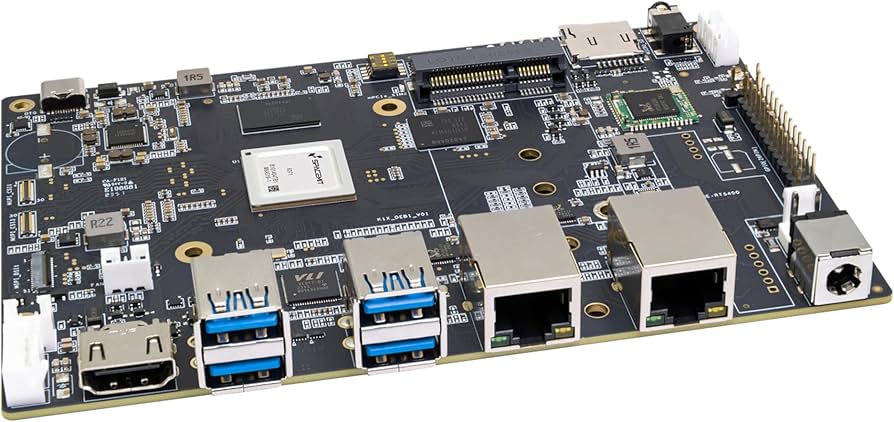

As an Amazon Associate, we may earn from qualifying purchases.
Market Data and Analysis
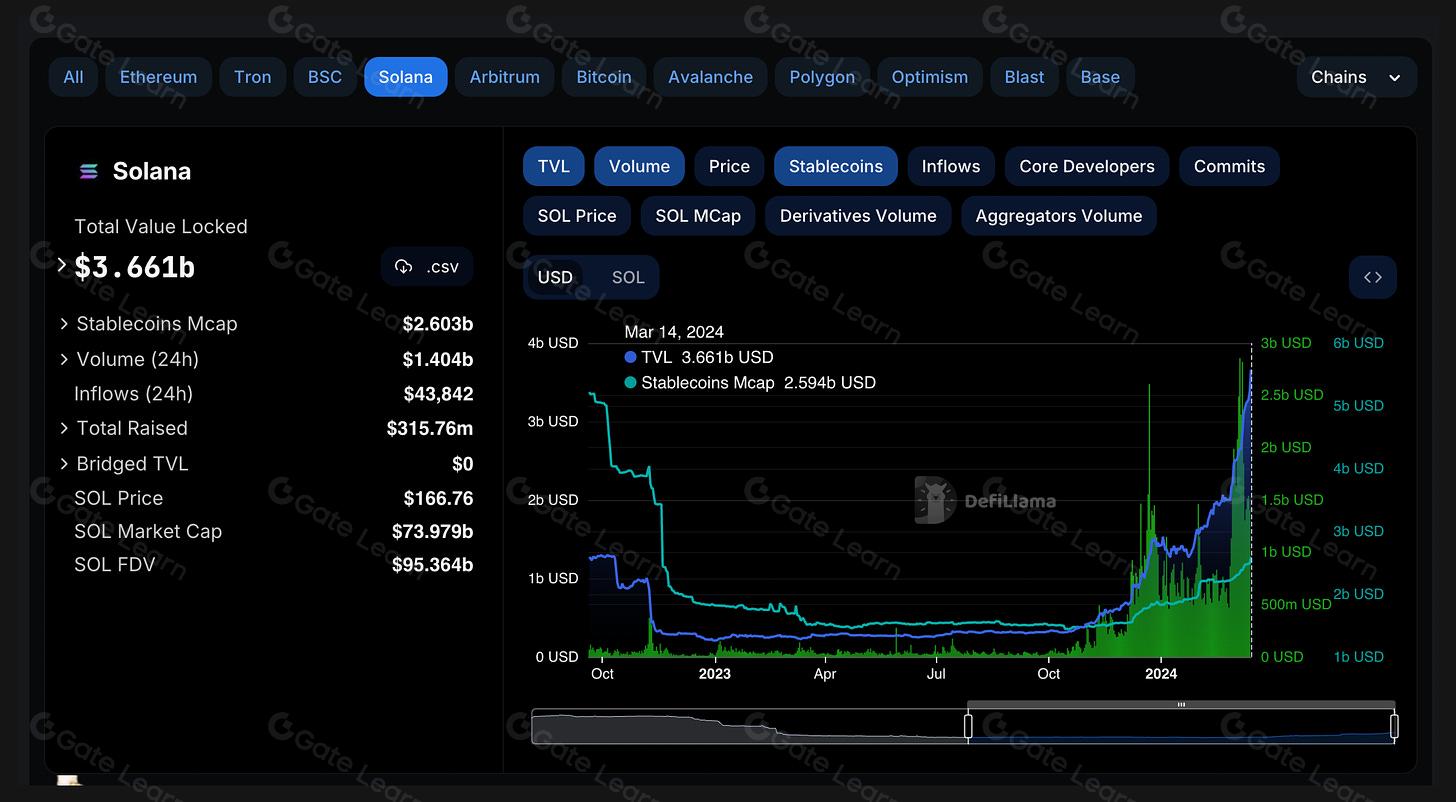
Real-time price action on Solana moves fast. You need tools that can parse block data instantly. Most HFT strategies rely on custom scripts that listen for specific on-chain events, such as token swaps or liquidity pool changes. Combining this with a charting tool that supports Solana’s native tokens allows you to backtest strategies against historical data before deploying capital.
Risks and capital requirements
High-frequency trading on Solana moves fast, but speed introduces unique vulnerabilities. The same 400ms block times that enable micro-arbitrage also amplify the impact of technical failures. A single misconfigured parameter can drain a position before you can react.
Smart contract risk remains the primary threat. Even audited protocols on Solana carry exposure to logic errors or oracle manipulations. Slippage is equally dangerous; in volatile markets, a standard limit order can fill far from your target price, turning a small edge into a loss. Always test execution paths on devnet before committing real capital.
Capital requirements must account for these frictions. You need enough liquidity to absorb slippage without breaking your risk model, plus a buffer for network congestion during peak activity. Undercapitalization is the fastest way to get liquidated in a high-frequency environment.
No comments yet. Be the first to share your thoughts!