Why latency defines Solana HFT
On Solana, speed isn’t just a feature; it is the primary competitive edge. With block times averaging around 400 milliseconds, the window to capture arbitrage or execute complex strategies is measured in milliseconds, not seconds. This rapid finality creates a high-stakes environment where infrastructure choices directly dictate profitability.
In this landscape, traditional retail setups fail. A standard RPC connection introduces too much latency to compete with professional HFT nodes. To survive, traders must deploy dedicated infrastructure, often involving bare-metal clusters co-located near validator regions. This minimizes network hops and ensures that transaction submission happens before the block window closes.
The difference between a profitable trade and a failed one often comes down to this micro-second advantage. While Ethereum’s ~12-second block time allows for more deliberate planning, Solana demands instant execution. Without optimized routing and low-latency node access, the opportunity simply vanishes before your transaction is even processed.
Infrastructure for sub-millisecond execution
Sub-millisecond execution on Solana isn't about running standard validator nodes; it requires a dedicated, isolated infrastructure layer. The goal is to minimize the time between receiving a market update and broadcasting a transaction. This means moving away from shared hosting or generic cloud instances toward bare-metal setups where you control the hardware, the kernel, and the network path.
Bare-Metal and RPC Optimization
Standard RPC providers introduce unpredictable latency due to shared resources and network hops. For HFT, you need a private RPC node co-located in the same data center as the validator. This eliminates the "last mile" latency and ensures your transactions enter the validator's memory pool (mempool) as quickly as possible.
Key infrastructure choices include:
- Co-location: Place your trading servers in the same rack or availability zone as the Solana validator nodes. This reduces physical distance to near zero.
- Kernel Tuning: Disable unnecessary background services, tune TCP/IP stacks, and use real-time kernel patches if available to prevent jitter.
- Dedicated Bandwidth: Use direct fiber connections with guaranteed bandwidth to avoid congestion during high-volume market events.
The Role of Ephemeral Rollups
Even with perfect infrastructure, the base Solana layer can suffer from congestion during high volatility. This is where ephemeral rollups like MagicBlock come in. They act as a high-speed overlay that batches transactions off-chain and settles them on Solana in a single, optimized block.
Ephemeral rollups offer:
- Predictable Latency: Sub-50ms execution times by bypassing standard network congestion.
- Fair Sequencing: First-Come-First-Served (FCFS) ordering within the rollup, preventing front-running by other HFT bots.
- Cost Efficiency: Lower transaction costs compared to competing for priority fees on the mainnet during peak times.
By combining bare-metal infrastructure with an ephemeral rollup, you create a robust pipeline for high-frequency trading that minimizes both network and execution latency.
Top DEXs for high-frequency strategies
For high-frequency trading (HFT) on Solana, the choice of decentralized exchange (DEX) dictates your latency, slippage, and execution reliability. While retail traders might prioritize user interfaces, HFT bots require direct API access, deep liquidity pools, and predictable fee structures. The three dominant protocols—Jupiter, Raydium, and Orca—each offer distinct architectural advantages for algorithmic trading.
Jupiter serves as the primary liquidity aggregator, making it the default execution layer for most HFT strategies. Its API aggregates quotes from multiple DEXs, ensuring the best available price across the Solana ecosystem. For bots, Jupiter’s limit order API and advanced routing capabilities reduce the need for custom liquidity management. However, relying on an aggregator introduces slight latency compared to direct DEX interactions. It is the best choice for strategies prioritizing price optimization over raw execution speed.
Raydium remains the go-to for concentrated liquidity strategies. As the leading Automated Market Maker (AMM) on Solana, it offers concentrated liquidity pools similar to Uniswap V3. This allows HFT bots to deploy capital more efficiently within specific price ranges. Raydium’s direct API access enables low-latency interactions, crucial for arbitrage and market-making bots that need to react to micro-second price changes. The trade-off is higher complexity in managing liquidity positions and exposure to impermanent loss.
Orca provides a user-friendly interface but also offers robust API capabilities for simpler trading strategies. Its Whirlpool feature supports concentrated liquidity, though with less flexibility than Raydium’s implementation. Orca’s fee structure is straightforward, which simplifies profit calculations for bots. It is a solid option for HFT strategies that do not require the deepest liquidity or the most granular control over liquidity ranges.
Comparison of Top Solana DEXs for HFT
The following table compares the key technical metrics for HFT bot integration.
| DEX | Liquidity Depth | Fee Structure | API Capabilities |
|---|---|---|---|
| Jupiter | Highest (Aggregated) | Variable (Aggregator) | Limit Orders, Routing |
| Raydium | High (Concentrated) | Tiered (Concentrated) | Direct AMM Access |
| Orca | Medium (Whirlpool) | Fixed Tier | Whirlpool API |
Essential HFT Infrastructure Tools
Building a reliable HFT bot requires more than just API access. You need robust infrastructure to handle Solana’s high transaction throughput and occasional network congestion. Below are key tools that support HFT operations on Solana.

As an Amazon Associate, we may earn from qualifying purchases.
When selecting infrastructure, prioritize low-latency network connections and secure key management. HFT bots operate on thin margins, so any delay or security breach can result in significant losses. Consider using a dedicated server located close to Solana validator nodes to minimize network latency. Additionally, implement multi-signature wallets for large capital deployments to mitigate risk.
Essential tools for Solana HFT bots
Building a Solana HFT bot requires a stack optimized for microsecond latency. You are not just writing code; you are engineering a pipeline where network congestion and block times are the primary adversaries. The difference between a profitable strategy and a failed deployment often comes down to how efficiently your software interacts with the Solana runtime.
RPC Infrastructure
Your RPC node is the nervous system of your bot. Public RPCs are useless for HFT due to rate limits and latency spikes. You need a dedicated, high-throughput endpoint. Providers like Helius, QuickNode, or Triton offer the necessary throughput and priority fee handling. Look for features like transaction status subscriptions and websockets for real-time block updates. If your RPC lags, your trade is already stale.
Client Libraries
For execution, @solana/web3.js is the standard, but it can be heavy. Many HFT developers prefer lighter, Rust-based clients or custom TypeScript wrappers that bypass unnecessary serialization overhead. You need a library that supports:
- Transaction simulation: To test trades before sending them.
- Priority fee estimation: To outbid other bots for block space.
- WebSocket subscriptions: For real-time account and block updates.
MEV Protection
Solana’s mempool is visible to everyone. Without protection, your trades are front-run. Use private transaction relays like Jito or Shyft to bundle your transactions directly with validators. This bypasses the public mempool, ensuring your trade executes at the intended price without being intercepted by arbitrage bots.
Monitoring and Logging
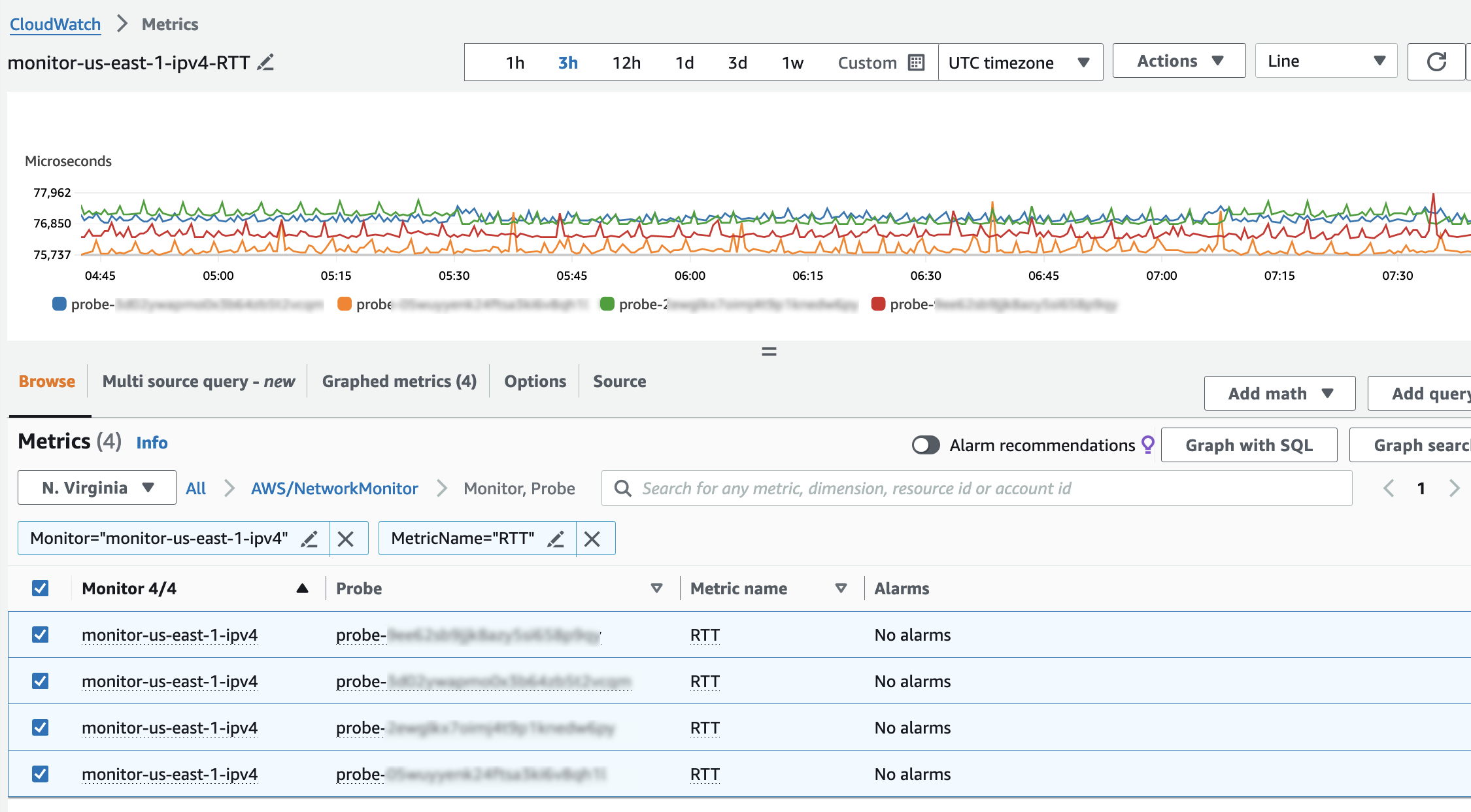
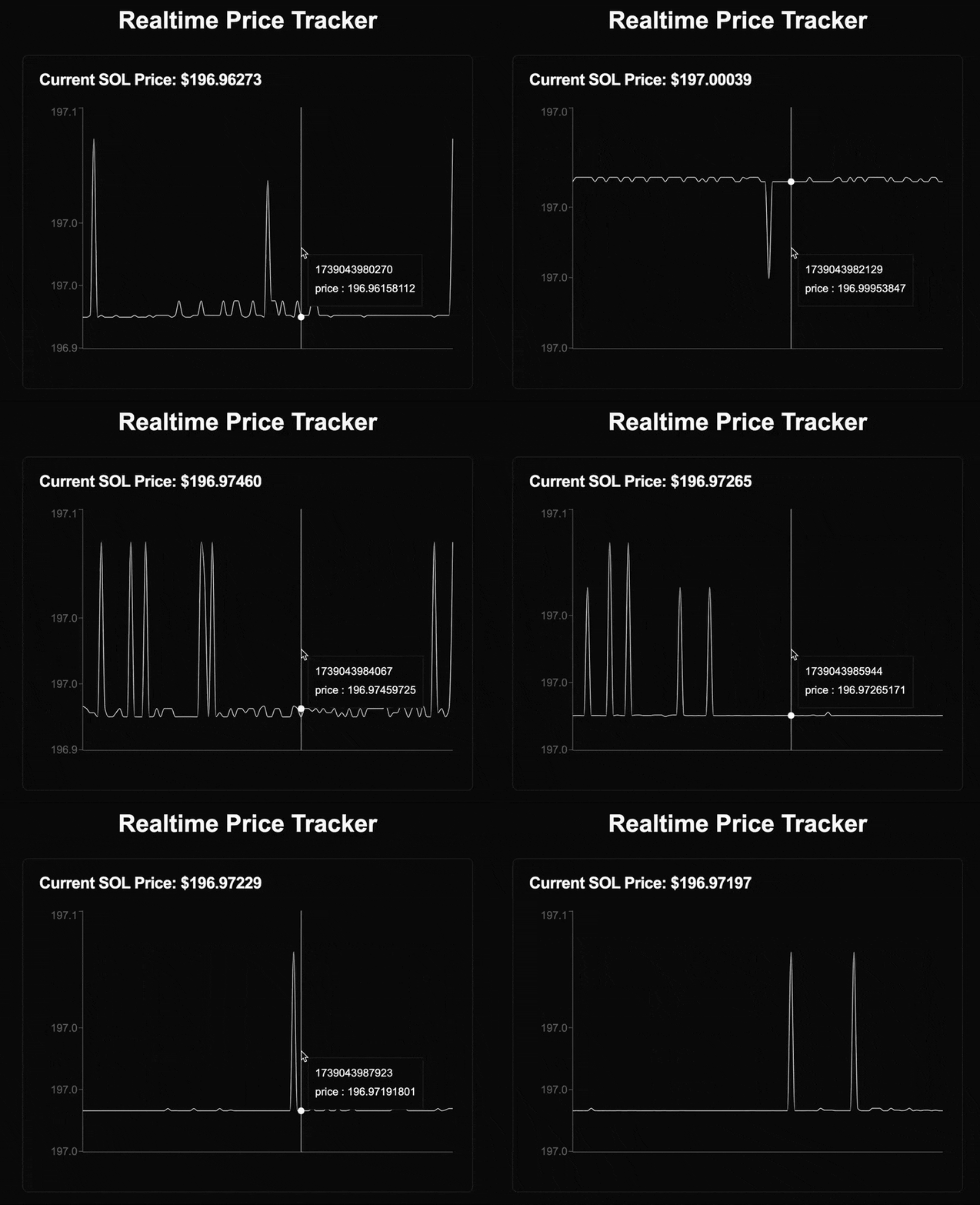
HFT requires precise observability. Use structured logging (JSON) to track every stage of your trade lifecycle: signal generation, simulation, signing, broadcast, and confirmation. Integrate with monitoring tools like Prometheus and Grafana to visualize latency metrics. If you don’t know your average execution time in milliseconds, you can’t optimize it.
Risk management in high-speed DeFi
High-frequency trading on Solana moves faster than manual intervention allows. A strategy that works at a ten-second refresh rate can collapse in milliseconds during network congestion. Managing risk in this environment requires treating infrastructure failures as inevitable events rather than rare anomalies.
Slippage and MEV Protection
Slippage is not just a price difference; it is an execution failure. In HFT, even a 0.1% deviation against your model can erase profits. Use limit orders or specialized routing protocols that enforce strict price thresholds. Avoid market orders entirely, as they expose you to maximal extractable value (MEV) bots that front-run your transactions. Always test your slippage tolerance against historical volatility during peak hours, not just during calm market conditions.
Smart Contract Vulnerabilities
Your bot interacts with smart contracts that may have undiscovered bugs or malicious backdoors. A single reentrancy attack or permission error can drain liquidity. Audit every contract your bot touches, prioritizing those with recent, verified security reviews. Implement circuit breakers in your code that halt trading if a contract’s state changes unexpectedly or if gas costs spike abnormally. Treat every interaction as a potential point of failure.
Network Congestion and Latency
Solana’s throughput is high, but congestion causes transaction failures and increased latency. During congestion, your bot might submit hundreds of transactions that all revert, burning SOL in the process. Implement a dynamic gas strategy that adjusts priority fees based on real-time network load. Monitor the status of your validator nodes closely; a lagging node can cause you to miss entry and exit windows. Consider running your bot on dedicated infrastructure close to the leader schedule to minimize latency.
Mitigation Strategies
- Position Sizing: Never risk more than 1-2% of your total capital on a single HFT strategy. High frequency means high volume of decisions, and variance will eventually hit.
- Kill Switches: Build automated kill switches that stop all trading if drawdown exceeds a predefined threshold or if network errors exceed a certain rate.
- Simulation: Backtest your strategies using historical on-chain data, including periods of extreme congestion and volatility. Simulate transaction failures to see how your bot behaves under stress.
- Diversification: Spread your strategies across different DEXs and token pairs to reduce exposure to a single protocol’s failure or liquidity crunch.
Risk management in HFT is not about avoiding losses; it is about controlling the magnitude and frequency of losses. By treating infrastructure and market conditions as volatile variables, you can build a resilient trading system that survives the chaos of DeFi.
No comments yet. Be the first to share your thoughts!