Solana market structure shifts
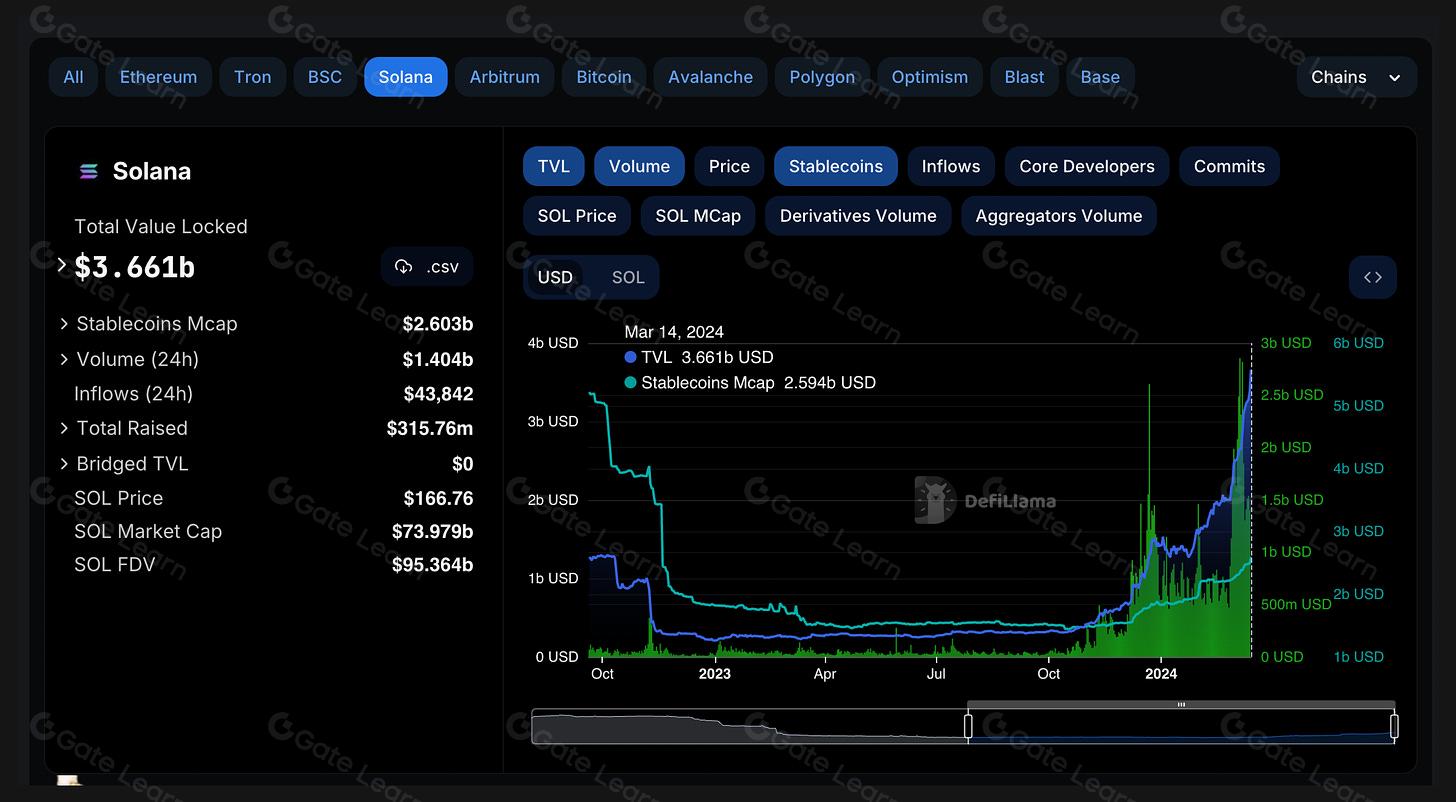
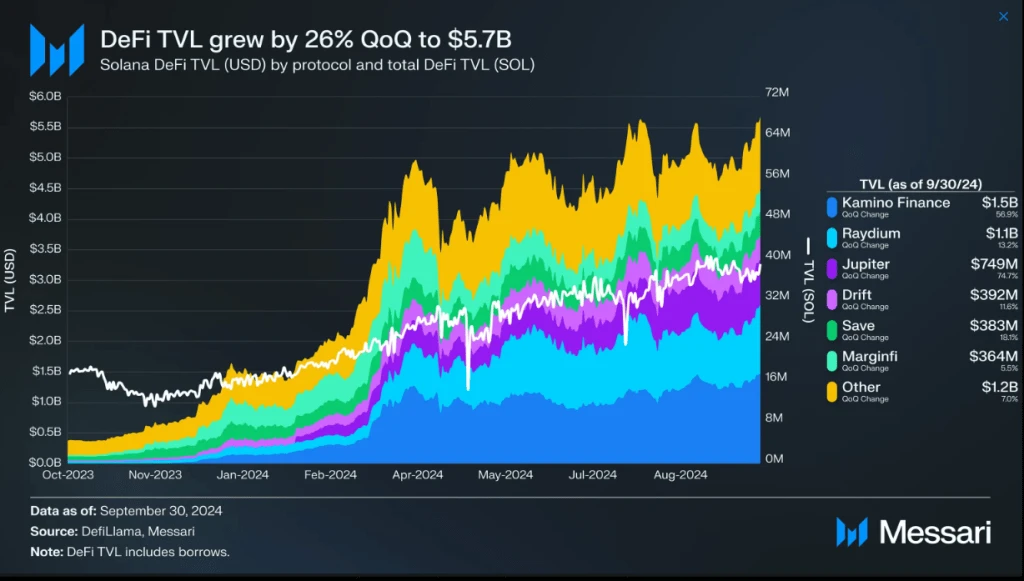
The Solana ecosystem has undergone a structural consolidation that fundamentally alters the landscape for high-frequency DeFi trading. Where fragmented liquidity once forced traders to navigate multiple venues with varying slippage, the current infrastructure favors a few dominant aggregators. This consolidation isn't just a convenience for retail users; it creates the deep, tight-order-book conditions necessary for algorithmic strategies to execute at scale.
The viability of high-frequency strategies now hinges on two factors: protocol-level throughput and DEX optimization. Solana's 400ms block times provide the raw speed, but it is the sophistication of the routing layers that captures alpha. Protocols like Jupiter have moved beyond simple aggregation to offer complex limit order types and intent-based trading, effectively lowering the barrier to entry for sophisticated execution while raising the stakes for latency-sensitive bots.
This shift means that the old model of scanning multiple DEXs for the best price is obsolete. The current structure rewards those who integrate directly with primary liquidity sources and leverage the latest RPC optimizations. The competition is no longer about finding liquidity; it's about accessing it faster and cheaper than the rest of the market.
Execution infrastructure layers
Building a Solana High-Frequency DeFi Trading system requires more than just a trading algorithm; it demands a specialized technical stack designed to minimize latency at every hop. Standard retail infrastructure introduces too much friction for competitive HFT, where milliseconds determine profitability. You need to engineer a path from signal generation to on-chain settlement that bypasses the congestion and variability of public networks.
RPC nodes and mempool access
The foundation of your stack is the RPC node. Public endpoints are unusable for HFT due to rate limits and inconsistent response times. You must connect to dedicated, high-performance nodes that offer private transaction submission. These nodes provide direct access to the mempool, allowing your bots to observe pending transactions before they are finalized. This visibility is critical for front-running protection and identifying arbitrage opportunities.
Transaction optimization
Once connected, you must optimize the transaction itself. Solana’s block size is large, but block times are fast. To compete, you need to pack instructions efficiently and use priority fees to ensure your transactions are included in the next block. Advanced strategies involve using local leader schedules to time your submissions precisely when your validator is producing the block, reducing the time your transaction spends in the queue.
Hardware and network topology
Physical proximity to the validator cluster matters. Hosting your trading bots in data centers near Solana’s primary validator regions reduces network propagation time. Even a few milliseconds of improvement in network latency can significantly increase the success rate of your trades. Combine this with optimized networking libraries and low-latency hardware to create a robust execution layer.
Top DEXs for high-frequency strategies
When executing high-frequency DeFi trades on Solana, the exchange you choose acts as the bottleneck for your entire strategy. Liquidity depth, slippage tolerance, and API capabilities determine whether your automated scripts get filled at the intended price or suffer from significant front-running and latency issues. While Solana’s high throughput reduces base network congestion, the specific architecture of each DEX creates distinct advantages for algorithmic trading.
Jupiter, Raydium, and Orca dominate the landscape, but they serve different operational needs. Jupiter is the essential aggregator for price optimization, ensuring you get the best rate across multiple pools. Raydium provides deep, concentrated liquidity for direct spot trading, particularly for newer or volatile assets. Orca offers a simplified interface with Whirlpool liquidity positions that can offer tighter spreads for established pairs. Understanding these nuances is critical for minimizing slippage during rapid-fire transactions.
The following comparison highlights the technical metrics that matter most for automated trading systems. These figures reflect typical performance characteristics for high-volume pairs on the Solana network.
| DEX | Avg. Slippage (0.1% pair) | API Rate Limit | Supported Order Types |
|---|---|---|---|
| Jupiter | ~0.01-0.05% | 100 req/sec | Market, Limit (via v6) |
| Raydium | ~0.05-0.15% | 50 req/sec | Market, AMM |
| Orca | ~0.03-0.10% | 60 req/sec | Market, Whirlpool AMM |
Jupiter’s aggregation engine is generally the first choice for high-frequency traders because it routes orders through the deepest liquidity pools, effectively minimizing slippage. Its API is robust, supporting high request rates and offering limit order functionality through its v6 protocol, which is essential for executing complex strategies without constant manual intervention. For traders focusing on specific token pairs with high volume, Raydium’s direct AMM interaction can be faster due to fewer routing hops, though slippage may increase during market volatility. Orca’s Whirlpool model allows for concentrated liquidity, which can provide better prices for large trades on stable pairs, but its API ecosystem is slightly less mature for high-frequency automation compared to Jupiter.


As an Amazon Associate, we may earn from qualifying purchases.
For high-frequency strategies, the choice between these DEXs often comes down to a trade-off between price optimization and execution speed. Jupiter offers the best prices but may introduce slight latency due to its complex routing logic. Raydium and Orca offer faster direct execution but require careful monitoring of liquidity depth to avoid slippage. Most sophisticated trading bots use Jupiter as the primary execution layer for its reliability and depth, while using direct Raydium or Orca connections for specific arbitrage opportunities where the routing overhead outweighs the benefits.
Risk management in volatile markets
In high-frequency DeFi trading, volatility is the primary threat to capital preservation. Unlike traditional markets, Solana’s sub-second finality means a strategy can lose significant value before you even notice the price move. To survive, you need rigid frameworks that prioritize capital protection over potential gains.
The 3-5-7 Rule
The 3-5-7 rule is a structured risk management strategy designed to limit drawdowns during extreme market swings. It breaks down into three distinct layers:
- 3% per trade: The maximum amount of total capital you can lose on any single transaction. This accounts for slippage, MEV, and immediate price impact.
- 5% per position: The total exposure limit for a specific asset or liquidity pool. If a position hits this threshold, you must reduce exposure regardless of the trend.
- 7% across the portfolio: The hard stop for your entire DeFi portfolio. If your net equity drops by 7% in a day, all trading halts until the next cycle.
This framework prevents emotional decision-making during flash crashes or sudden liquidity drains.
Position Sizing and Execution
Position sizing determines how much capital enters the market at any given time. In Solana HFT, you should never allocate more than 1-2% of your portfolio to a single high-risk trade. Use the following checklist before executing:
Set your slippage tolerance based on the pool’s depth. For high-frequency trades, use tight slippage (0.1-0.5%) to avoid front-running, but have a fallback limit to prevent failed transactions.
Solana fees are low, but network congestion can spike them during high volatility. Set a maximum fee threshold to ensure your trade doesn’t consume more in fees than its potential profit.
Double-check that your trade size adheres to the 3-5-7 rule. Ensure the potential loss (if the trade goes against you immediately) does not exceed 3% of your total capital.
Monitoring Real-Time Risk
Risk management is not a set-and-forget task. You must monitor your positions in real-time. Use provider-backed widgets to track price action and volatility metrics.
By adhering to these rules, you protect your capital from the inherent risks of Solana’s high-speed environment. Consistency in risk management is more important than any single profitable trade.
Common questions about Solana HFT
How does the 3-5-7 rule protect capital?
The 3-5-7 rule limits losses to 3% per trade, 5% per position, and 7% across the total portfolio. This framework is essential for managing the volatility inherent in Solana High-Frequency DeFi Trading.
Which Solana DEX is best for HFT?
The best Solana DeFi exchanges for 2026 include Raydium for liquidity, Orca for simplicity, Jupiter for optimization, Lifinity for PMM, and Saber for stablecoin swaps. Selecting the right platform depends on your specific trading style and the assets you are moving.
No comments yet. Be the first to share your thoughts!