The Solana HFT infrastructure stack
High-frequency trading on Solana in 2026 is defined by navigating specific latency and sequencing bottlenecks that standard RPCs introduce. The baseline infrastructure has shifted from generic node access to specialized data streaming and ephemeral rollup solutions. This transition is driven by the Yellowstone upgrade’s increased block production rates and the rise of dedicated HFT providers like MagicBlock, which offer sub-50ms latency and first-come-first-served (FCFS) sequencing.
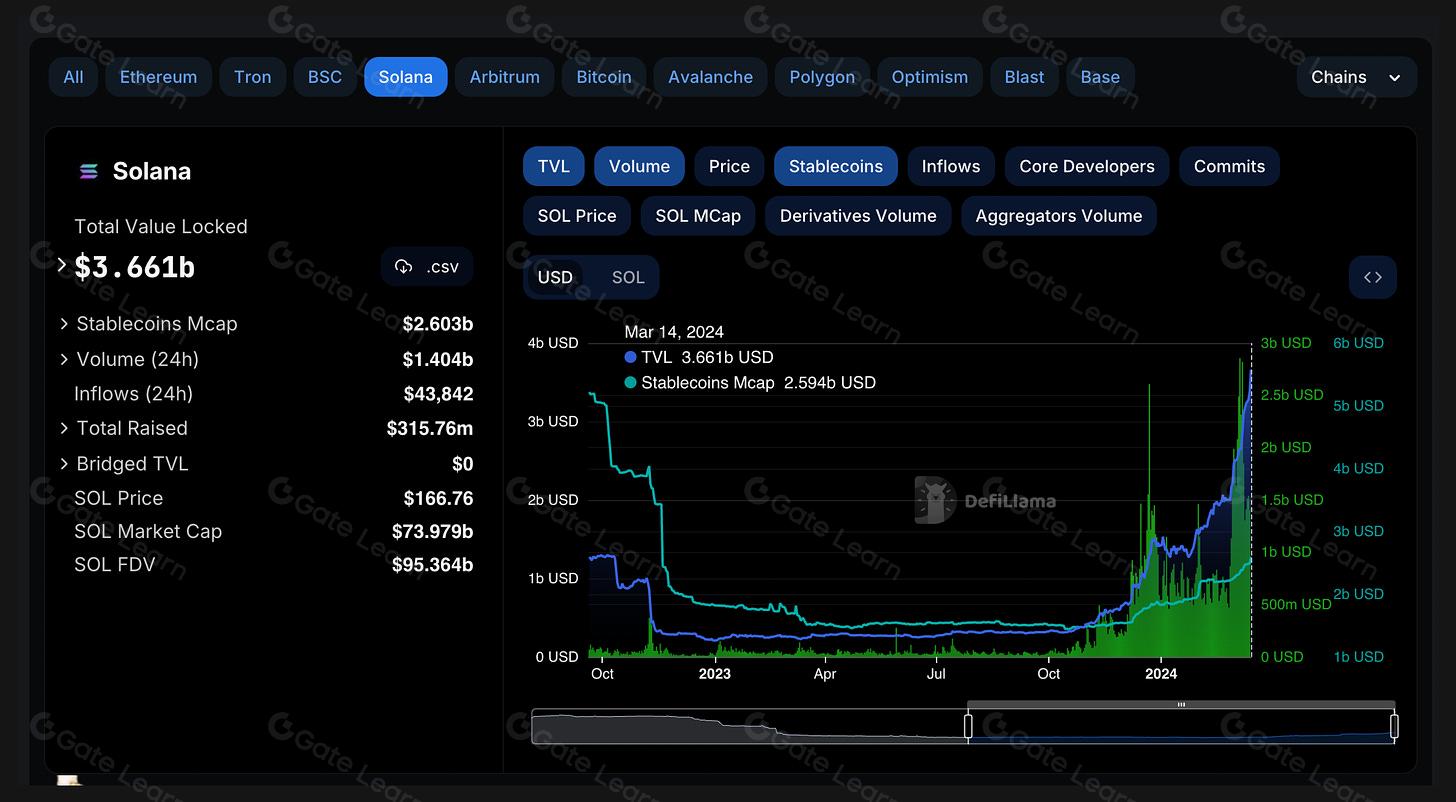
Standard RPC endpoints often batch transactions or route them through shared mempools, introducing unpredictable delays. For strategies relying on arbitrage or front-running, these milliseconds determine profit or slippage. Specialized infrastructure providers solve this by offering direct node access, custom gRPC endpoints, and dedicated transaction submission pipelines that bypass public congestion points. This allows traders to submit transactions with precise priority fees and guaranteed ordering.
Beyond the RPC layer, ephemeral rollup technology is critical. Solutions like MagicBlock allow HFT firms to execute trades with CEX-like speed while settling on Solana. These rollups provide predictable costs and deterministic sequencing, essential for complex multi-leg strategies. Without this infrastructure, the variability of Solana’s block times and network congestion makes consistent high-frequency execution nearly impossible.
Comparing Solana DEX liquidity pools
For high-frequency trading, the choice of decentralized exchange impacts infrastructure latency and routing efficiency. In 2026, the Solana ecosystem is dominated by three primary liquidity layers: Jupiter, Raydium, and Orca. Each handles order execution differently, impacting slippage and fill rates for automated strategies.
Jupiter acts as the primary liquidity aggregator, using proprietary algorithms to split orders across multiple venues to minimize slippage on large volumes. Raydium, built on the OpenBook order book, offers deeper direct liquidity for specific pairs but requires complex routing logic to avoid fragmentation. Orca focuses on concentrated liquidity ranges, which can offer tighter spreads for stable pairs but may suffer from higher slippage during volatile market moves if ranges aren't managed correctly.
The following comparison breaks down the critical infrastructure metrics for each platform.
| Platform | Avg. Latency | Maker/Taker Fees | Liquidity Depth |
|---|---|---|---|
| Jupiter | ~400ms | 0.25% / 0.25% | Aggregated (Highest) |
| Raydium | ~600ms | 0.30% / 0.30% | Deep (OpenBook) |
| Orca | ~500ms | 0.30% / 0.30% | Moderate (Whirlpool) |
Jupiter’s aggregated model generally provides the lowest effective slippage for HFT strategies by dynamically routing through Raydium, Orca, and other venues, though this incurs slight latency overhead. Raydium’s direct connection to OpenBook offers lower latency for high-volume trades on specific pairs, making it a strong contender for pure speed-focused bots. Orca’s Whirlpool model is efficient for stablecoin trading but may require more frequent rebalancing for volatile assets.
For most HFT strategies, Jupiter’s routing efficiency outweighs its slight latency disadvantage. The ability to split orders across multiple liquidity pools reduces the risk of partial fills and price impact. Raydium remains essential for bots targeting specific high-volume pairs where direct order book access is critical. Orca is best suited for stablecoin arbitrage or strategies that benefit from concentrated liquidity ranges.
Build the execution bot architecture
Building a high-frequency trading bot on Solana is less about writing clever algorithms and more about engineering a system that survives latency. In 2026, the margin for error has vanished. Yellowstone upgrades and MagicBlock infrastructure have raised the baseline speed, meaning your bot must operate with microsecond precision to capture arbitrage or front-run opportunities before they vanish.
The foundation of this architecture is language choice. Rust remains the non-negotiable standard for Solana HFT. Its memory safety guarantees and lack of garbage collection pauses allow for deterministic execution times that Python or JavaScript simply cannot match. When competing against other bots, a few milliseconds of garbage collection overhead is the difference between profit and a failed transaction.
Connection handling is the next critical layer. Your bot needs to maintain persistent WebSocket connections to the network, subscribing to account updates and slot notifications. This allows you to react to state changes in real-time rather than polling. You must also handle reconnection logic gracefully; a dropped connection for even a second can result in stale data and significant financial loss.
Finally, MEV protection is mandatory. Sending transactions directly to the public mempool exposes your orders to sandwich attacks. Instead, integrate with Jito bundles. This allows you to bundle your transaction with a tip to validators, ensuring your trade executes atomically and privately. Without this, you are essentially broadcasting your strategy to every other participant in the market.
Use Rust for the main execution engine. Its zero-cost abstractions and deterministic performance are essential for meeting the strict latency requirements of Solana HFT. Avoid higher-level languages for the critical path.
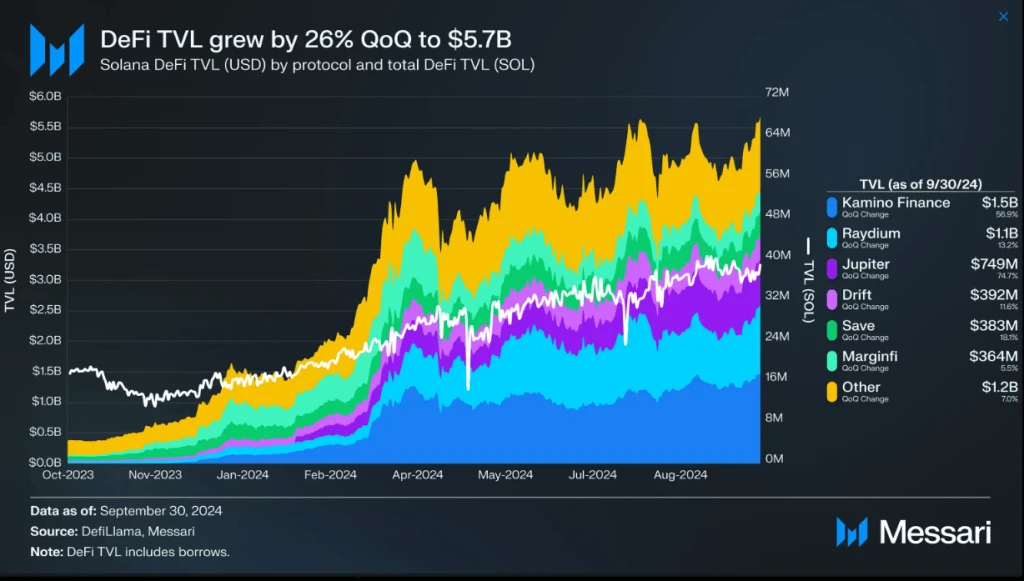
Connect to private RPC nodes or run your own validator. Public endpoints are too unreliable for HFT, as latency spikes can cause your bot to miss blocks or submit stale data. Consistency is more important than raw speed here.
Route transactions through Jito to avoid the public mempool. This protects your trades from MEV bots that would otherwise sandwich your orders. Bundling ensures atomic execution and includes a validator tip to prioritize inclusion.
Risk management and the 3-5-7 rule
High-frequency trading on Solana moves fast, but speed without guardrails is a liability. The 3-5-7 rule provides a structured framework to limit exposure during the inevitable volatility spikes common in DeFi protocols. This approach prevents a single bad trade from wiping out weeks of alpha.
The rule sets three distinct loss thresholds that act as circuit breakers for your algorithm. First, limit losses to 3% per individual trade. This caps the damage of a single execution error or slippage event. Second, restrict total drawdown to 5% per position. If a position trends against you, this hard stop forces a liquidation before the position becomes toxic. Third, enforce a 7% maximum loss across the entire portfolio. When the total portfolio hits this threshold, all trading activity pauses until the system resets.
Applying these limits requires infrastructure that can react instantly. On Solana, this means leveraging low-latency nodes and optimized execution paths. Tools like MagicBlock’s infrastructure allow for precise control over transaction timing, ensuring that stop-loss orders execute before the market moves further against you. Without this speed, the 3-5-7 rule is just a suggestion, not a protection.
Implementing these rules isn't just about code; it's about discipline. The 3-5-7 framework forces you to respect the market's unpredictability. By capping losses at each level, you preserve capital for the next high-probability setup. In a market where gas wars and MEV bots compete for every block, survival depends on strict risk parameters, not just aggressive entry strategies.
Essential tools for Solana traders
High-frequency trading on Solana demands infrastructure that minimizes latency and maximizes reliability. The Yellowstone upgrade and MagicBlock’s parallel execution capabilities have raised the bar for what constitutes a professional setup. You need hardware and software that can handle the network’s speed without becoming the bottleneck.
Hardware and software essentials
A multi-monitor setup is non-negotiable for tracking real-time order books and charting. Pair this with a mechanical keyboard for rapid hotkey execution and a hardware wallet like Ledger or Trezor to secure your private keys. For software, you need a low-latency node RPC provider and a trading terminal that supports Solana’s unique transaction structure.
Recommended gear for trading setups


As an Amazon Associate, we may earn from qualifying purchases.
Software for execution
Your software stack should prioritize speed and security. Use a dedicated RPC node to avoid rate limits and ensure consistent block propagation. Pair this with a trading bot or terminal that integrates with Jupiter or Raydium for optimal swap routing. Always keep your firmware and software updated to mitigate security risks.
Frequently asked questions about Solana HFT
How does the 3-5-7 rule work for Solana HFT? The 3-5-7 rule limits losses to 3% per trade, 5% per position, and 7% across the total portfolio. This framework helps traders maintain discipline during high-volatility periods by acting as circuit breakers for automated strategies.
Which Solana DEX is best for HFT? Jupiter is generally preferred for its aggregated liquidity and routing efficiency, minimizing slippage. Raydium offers lower latency for specific pairs via OpenBook, while Orca is suitable for stablecoin arbitrage using concentrated liquidity ranges.
Why is Jito integration necessary for Solana HFT? Jito integration protects trades from MEV (Maximal Extractable Value) attacks like sandwiching by bundling transactions with tips to validators. This ensures atomic execution and privacy, which is critical for maintaining edge in high-frequency strategies.
No comments yet. Be the first to share your thoughts!