Why latency matters on Solana
Solana’s architecture is built for speed, but that speed creates a unique constraint for traders. The network rotates validators approximately every 400 milliseconds. This isn’t just a technical detail; it is the entire window you have to submit a transaction, have it propagate across the network, and get included in a block.
If your transaction misses that window, it either gets dropped or included in a later block where the market conditions have likely shifted. For high-frequency trading (HFT), this 400ms rotation defines the boundary between profit and loss. Standard retail setups—using public RPC endpoints, home internet connections, or generic trading bots—simply cannot operate within this timeframe consistently.
The gap between a retail setup and a professional HFT infrastructure is measured in milliseconds. A public RPC node might add 50-100ms of latency just to route your request. Add the time it takes for your home internet to reach the nearest data center, and you are already halfway through the validator rotation before your transaction even leaves your machine.
To compete, you need infrastructure that eliminates these delays. This means private RPC nodes located in the same data center as the validators, direct peering with the network, and optimized transaction submission logic. Without this, you are not trading; you are gambling on luck.
RPC Nodes and Co-Location Strategies
Public Solana RPC endpoints are designed for general users and indexers, not for high-frequency trading. When you submit a transaction via a public node, you are competing with thousands of other requests for limited bandwidth and processing power. In a market where blocks rotate every ~400 milliseconds, that competition is enough to cause missed opportunities or failed transactions.
To trade effectively, you need a dedicated high-performance endpoint. These services provide dedicated compute resources, ensuring your requests are processed without being queued behind public traffic. This isolation reduces latency jitter, which is the variation in delay that can be more dangerous than average latency itself.
Geographic proximity to validator clusters is the next critical layer. Solana validators are distributed globally, but significant clusters exist in specific regions like Tokyo, New York, and Amsterdam. The speed of light imposes a hard limit on how fast data can travel between your server and the validator.
Co-locating your trading infrastructure in the same data center or nearby facilities as the primary validator nodes can shave milliseconds off your round-trip time. In high-frequency trading, those milliseconds are the difference between capturing a spread and watching it disappear. You are essentially moving your trading engine into the same building as the market itself.


As an Amazon Associate, we may earn from qualifying purchases.
Top DEXs for high-speed execution
Solana High-Frequency DeFi Trading works best as a clear sequence: define the constraint, compare the realistic options, test the tradeoff, and choose the path with the fewest hidden costs. That order keeps the advice usable instead of decorative. After each step, pause long enough to check whether the recommendation still fits the reader's actual situation. If it depends on perfect timing, unusual access, or a best-case budget, include a simpler fallback.
| Factor | What to check | Why it matters |
|---|---|---|
| Fit | Match the option to the primary use case. | A good deal still fails if it does not fit the job. |
| Condition | Verify age, wear, and service history. | Hidden condition issues erase upfront savings. |
| Cost | Compare purchase price with likely upkeep. | The cheapest option is not always the lowest-cost option. |
Essential trading tools and bots
High-frequency trading on Solana demands infrastructure that minimizes latency at every layer. You cannot rely on standard retail setups or home computers; the network’s speed requires dedicated hardware and specialized software to capture fleeting arbitrage opportunities.
Start with a VPS (Virtual Private Server) located in the same data center as a Solana validator node. This proximity reduces network hop count, shaving critical milliseconds off your transaction submission time. Pair this with a direct RPC connection or a dedicated node, as public endpoints often throttle requests during high volatility.
For execution, choose between custom-built bots using libraries like solana-web3.js or established platforms like Coinrule. Custom bots offer granular control over transaction logic and priority fees, which is essential for navigating congested blocks. Platforms like Coinrule provide a structured environment for testing strategies on specific SPL tokens before scaling, allowing you to monitor execution speed and profitability metrics in real-time.
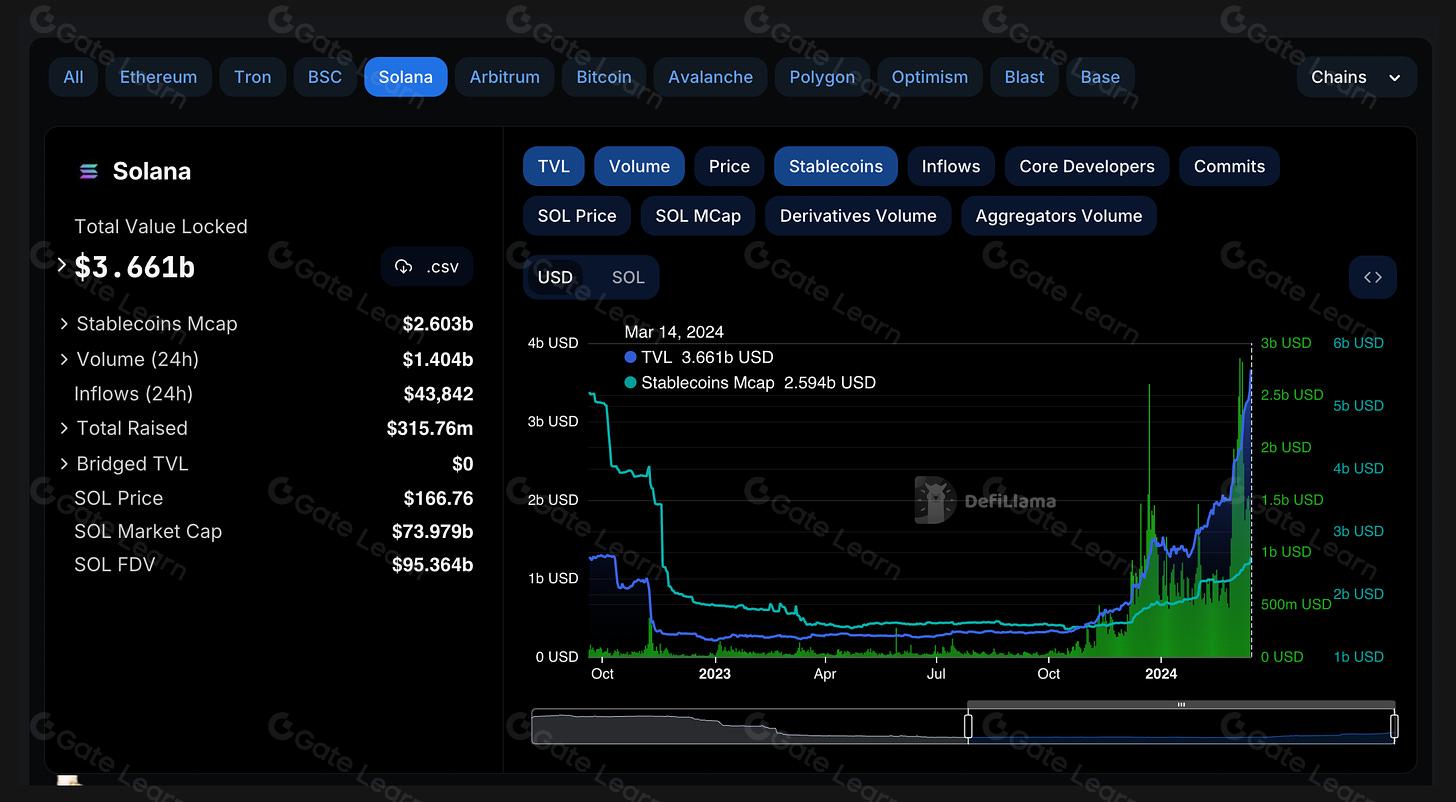
Monitoring is equally vital. Use dashboards that display real-time mempool status, pending transactions, and gas prices. Without visibility into the current block queue, your bot might submit a transaction that fails due to congestion, wasting SOL in priority fees.
Risk Management for HFT Strategies
High-frequency trading on Solana operates in an environment where latency is the primary currency and MEV (Maximal Extractable Value) is the dominant threat. Unlike traditional markets, Solana’s block times are measured in milliseconds, meaning any delay in transaction submission can turn a profitable arbitrage opportunity into a significant loss. The infrastructure required to compete is not just about speed; it is about resilience against front-running and sandwich attacks that target predictable order flows.
Slippage and Transaction Optimization
Slippage in HFT is not merely a price deviation; it is a leakage of alpha. To mitigate this, traders must use private RPC endpoints that bypass the public mempool, preventing other bots from seeing your intent before execution. This "dark pool" approach is essential for maintaining an edge. Additionally, configuring dynamic slippage tolerance based on real-time volatility metrics allows your bot to adjust parameters instantly, avoiding failed transactions that waste compute units.
MEV Protection
MEV bots constantly scan the mempool for profitable trades. If your strategy relies on large market moves, you become a target. Using MEV-protective services or routing transactions through private validators ensures your trades are executed without being front-run. This is not optional; it is a baseline requirement for any serious HFT operation on Solana. The cost of these services is negligible compared to the losses incurred from repeated sandwich attacks.
Smart Contract Vulnerabilities
Even the fastest bot is useless if it interacts with a vulnerable contract. HFT strategies often interact with multiple protocols simultaneously, increasing the attack surface. Rigorous auditing of all smart contracts is critical. Also, implementing circuit breakers that halt trading if a protocol’s TVL drops significantly can prevent catastrophic losses from exploits or rug pulls. Speed means nothing if the underlying infrastructure collapses.
Pre-Trade Risk Checklist
Before executing any trade, ensure your system validates:
-
Private RPC connection is active and low-latency
-
Slippage tolerance is set based on current volatility
-
Target contract has passed recent security audits
-
Circuit breakers are enabled for protocol risk
-
MEV protection is active for the transaction
The margin for error in HFT is non-existent. Your risk management framework must be as fast and precise as your execution logic.
Frequently asked questions about Solana HFT
Is high frequency trading on Solana still profitable?
Yes, but the margin for error is razor-thin. Research indicates that aggressive HFT strategies—those that take liquidity rather than provide it—continue to generate high Sharpe ratios. However, profitability is concentrated in the short-term window, often measured in seconds. As one practitioner noted after 11 months of building, the latency requirements for Solana meme coins are "brutal," meaning only those with optimized infrastructure capture the alpha. If your execution lags by even a few milliseconds, you are trading against bots, not humans, and the edge disappears quickly.
Can I run Solana HFT from home?
Practically speaking, no. While it is tempting to use a home computer to save on server costs, HFT relies on sub-millisecond execution speeds that consumer hardware and residential internet connections cannot guarantee. Professional setups use collocated servers placed physically close to Solana validators to minimize network hops. Attempting to run HFT software from home introduces variable latency that will cause you to miss block slots or fail priority fee auctions. For serious DeFi trading, you need dedicated infrastructure, not a laptop.
What defines a Solana DeFi strategy for HFT?
Unlike passive investing, an HFT strategy on Solana is defined by structure and speed. It involves a disciplined allocation across risk-tiered actions like liquidity provision and yield farming, governed by predefined rebalancing rules and strict exit triggers. The goal is to manage volatility and protocol risk through automation. You are not holding positions for weeks; you are capturing small spreads repeatedly. This requires a system that can monitor transaction costs and execution speed in real-time, scaling only after proving profitability over a short observation period.
No comments yet. Be the first to share your thoughts!