Solana high-frequency DeFi trading infrastructure
Solana High-Frequency DeFi Trading works best as a clear sequence: define the constraint, compare the realistic options, test the tradeoff, and choose the path with the fewest hidden costs. That order keeps the advice usable instead of decorative.
Essential tools for Solana HFT bots
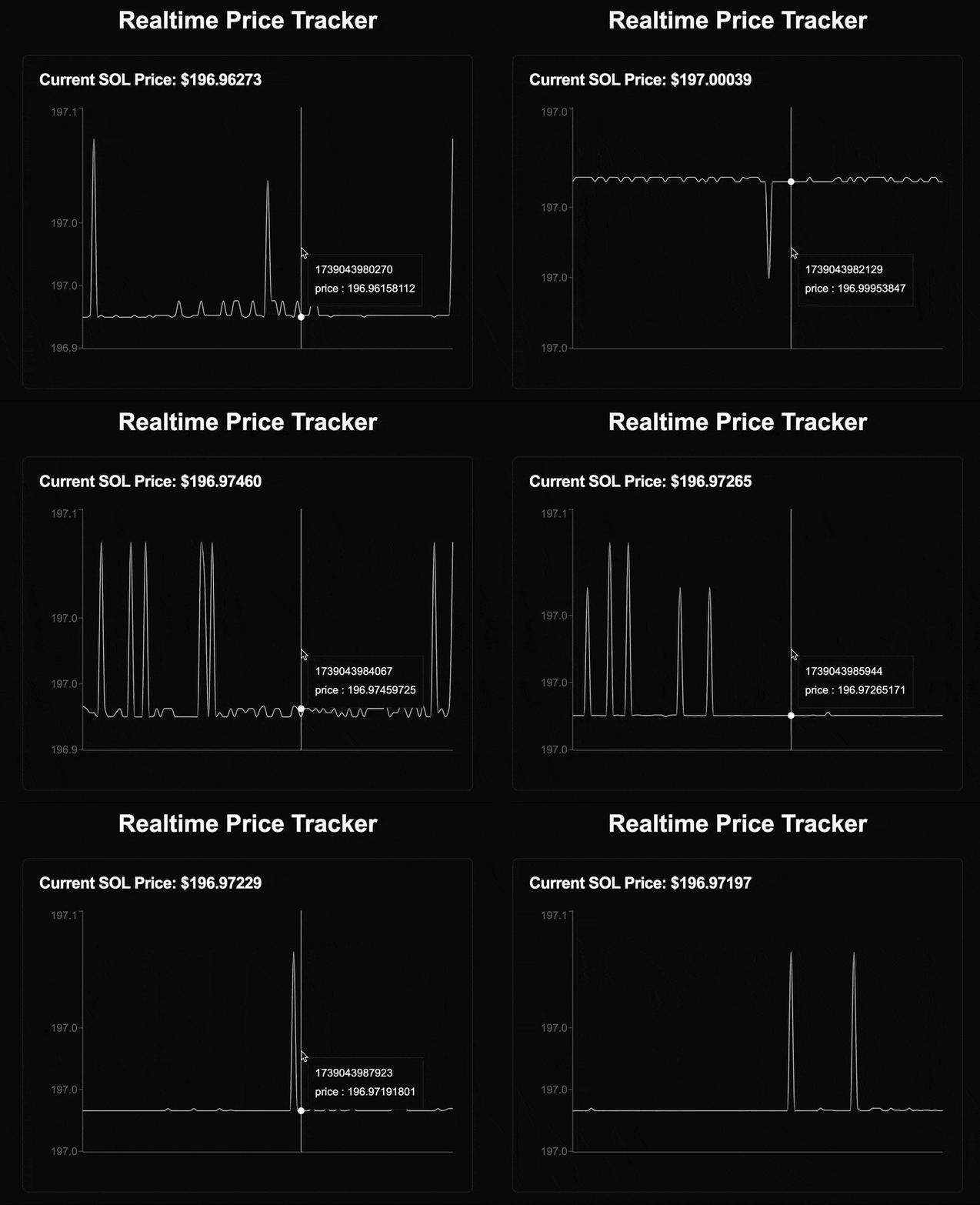
High-frequency trading on Solana isn't about picking the right token; it's about who gets the transaction through the block first. In this environment, latency is P&L. A delay of a few milliseconds can turn a profitable arbitrage opportunity into a loss. To compete, you need a stack optimized for raw speed, not convenience.
Start with your execution layer. You need a dedicated RPC node, ideally co-located or hosted by a provider specializing in low-latency access. Standard public RPCs are too slow for HFT. Providers like Helius or Shyft offer dedicated endpoints that prioritize your transactions, reducing the time between your decision and the network's acceptance. This isn't a place to cut corners; the difference between a successful trade and a failed one often comes down to milliseconds.
On the hardware side, bare-metal servers are mandatory. Virtual machines introduce overhead that kills your edge. You need direct access to the CPU and network interface to minimize context switching. Many successful HFT teams deploy bare-metal clusters in regions with the lowest network latency to the Solana validator network. This hardware forms the backbone of your strategy, ensuring that your code runs as close to the metal as possible.
Finally, your software stack must be written in languages that compile to native code. Rust is the standard for Solana programs, but for the trading bot itself, C++ or highly optimized Rust is common. You need to bypass any unnecessary abstraction layers. Every function call counts. If you're relying on high-level libraries that add even a microsecond of overhead, you're already behind. The tools you choose directly impact your win rate.
Minimizing Latency and Protecting Against MEV
In Solana high-frequency trading, latency isn't just a metric; it is the primary determinant of P&L. To capture alpha, you need sub-50ms execution times. Standard RPC nodes introduce too much variability, so HFT firms deploy dedicated bare-metal clusters or use specialized infrastructure like MagicBlock's Ephemeral Rollups. These rollups offer predictable costs and First-Come-First-Served (FCFS) sequencing, effectively delivering CEX-speed performance on-chain by bypassing the congestion of the main validator queue.
Latency reduction is only half the battle; you must also protect your trades from Maximal Extractable Value (MEV) bots that frontrun or sandwich your orders. The standard approach involves using Jito's block engine. By sending your transactions through Jito, you bypass the public mempool where bots lurk. Instead, your trade is bundled with others and sent directly to validators, who are compensated via tips for including your bundle in a block.
To make Jito bundles economically viable, you must configure priority fees correctly. Solana's fee market is competitive; if your base fee is too low, your transaction gets dropped or delayed. You need to set a "tip" that incentivizes validators to prioritize your bundle over others. This involves calculating a dynamic fee based on current network congestion and the value of the arb opportunity you are chasing. Without proper fee tuning, even a fast node is useless if your transaction never lands in a block.


As an Amazon Associate, we may earn from qualifying purchases.
The interplay between speed and protection is delicate. If you are too slow, arbitrage opportunities vanish. If you are unprotected, MEV bots will extract value from your trades. The most successful HFT strategies on Solana combine low-latency infrastructure with Jito's private transaction flow, ensuring that your alpha is captured, not stolen.
How Solana DEX Execution Paths Compare
For high-frequency trading, the difference between profit and loss is often measured in milliseconds. Solana’s architecture allows for rapid transaction finality, but the execution path you choose determines your actual fill price and slippage. Understanding the specific mechanics of Orca, Raydium, and Jupiter is not optional—it is the foundation of your P&L.
Each platform handles liquidity and routing differently. Raydium relies heavily on its integration with the Serum order book (now migrated to OpenBook), offering deep liquidity for major pairs but potentially higher latency during high congestion. Orca’s Whirlpool model provides concentrated liquidity, which can reduce slippage for large orders in specific ranges but adds complexity to position management. Jupiter, acting as an aggregator, routes orders across multiple DEXs to find the best price, often adding a slight computational overhead but significantly reducing slippage for complex token swaps.
The table below breaks down the key technical differences that impact your trading strategy. Focus on latency and fee structures, as these are the primary drivers of your net returns in high-frequency environments.
| Platform | Liquidity Model | Latency Profile | Fee Structure |
|---|---|---|---|
| Raydium | AMM + Order Book | Low (native integration) | Tiered (0.25% standard) |
| Orca | Concentrated (Whirlpools) | Medium (range management) | Fixed (0.01% - 1.0%) |
| Jupiter | Aggregator | High (routing logic) | Variable (best path) |
Structure positions for latency, not just yield
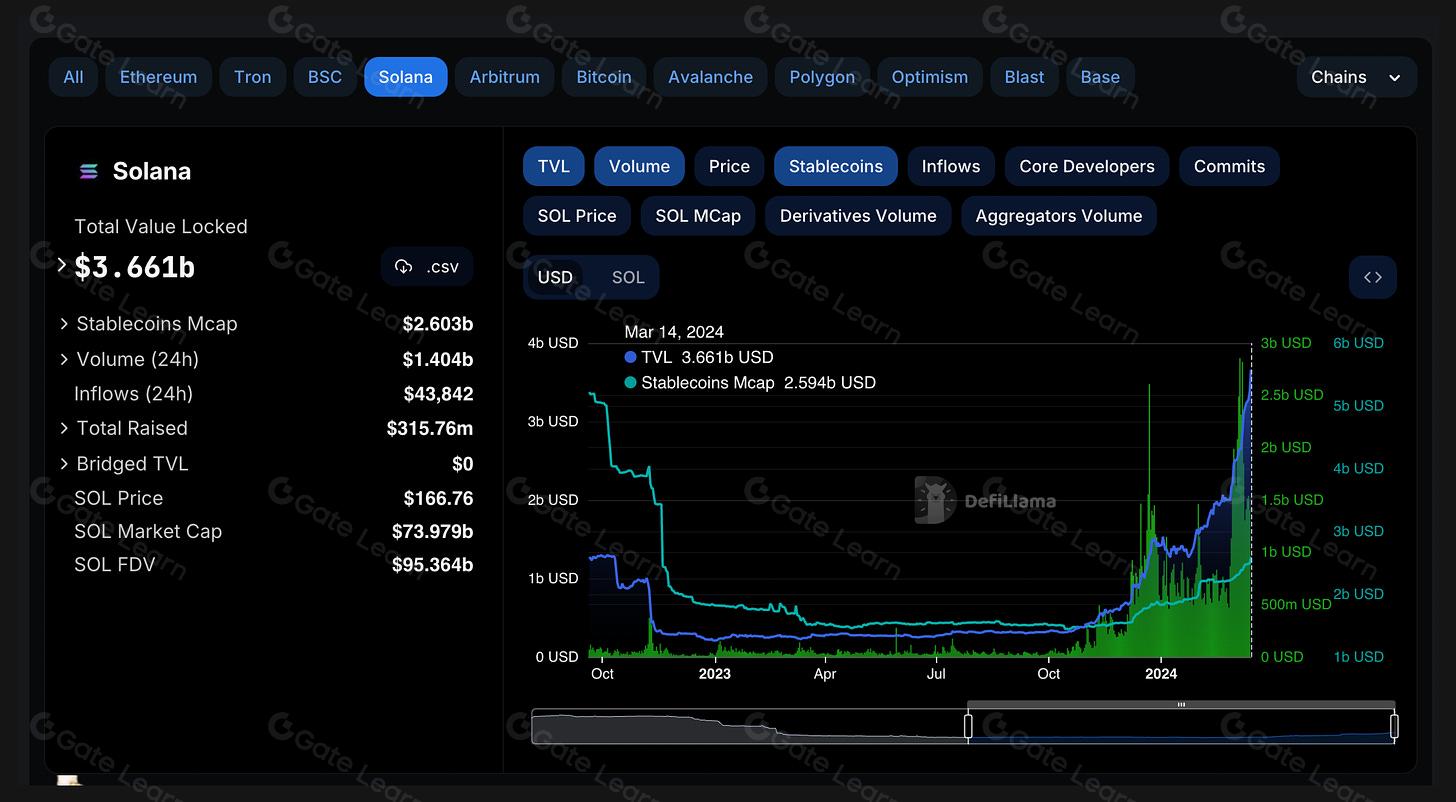
High-frequency trading on Solana rewards speed and discipline, not just alpha. A disciplined Solana DeFi strategy requires you to treat latency as P&L. If your execution layer is slow, your edge evaporates before the block finalizes. You must structure positions with predefined exit triggers and strict position limits to manage the extreme volatility inherent in Solana's high-throughput environment.
Frequently Asked Questions About Solana HFT
High-frequency trading on Solana is often misunderstood as a quick path to easy profits. The reality involves strict infrastructure requirements and complex strategy definitions that separate professional setups from retail attempts.
The barrier to entry is not just capital; it is technical precision. Most retail traders fail because they underestimate the hardware and network proximity needed to survive in this high-stakes landscape.
No comments yet. Be the first to share your thoughts!