Why latency defines your edge
In Solana high-frequency trading, your strategy logic is secondary to your infrastructure speed. The blockchain’s sub-second finality creates a narrow window for profit, meaning the difference between a successful arbitrage and a failed transaction often comes down to milliseconds. While many developers focus heavily on complex algorithmic models, the reality is that execution latency is the primary differentiator. If your node is slow, your logic doesn’t matter; you simply won’t be first.
Solana’s architecture demands a specific type of infrastructure. Unlike Ethereum, where you might rely on a relay network or a shared mempool, Solana HFT requires direct, low-latency connection to the validator. This means running your trading bots on bare-metal servers co-located near the validator’s data center. The goal is to minimize the time between seeing a block proposal and submitting your transaction. Every hop through a generic cloud provider adds unnecessary jitter and risk.
The learning curve for this infrastructure is steep. Developers who spend months perfecting a copy-cat bot often find that the final 1% of performance gains come from tweaking network stack configurations, not changing the trading logic. It’s a race against the block producer, and the winner is usually the one with the most optimized path to the network. Focus on building a robust, low-latency node first; the strategy can be iterated later.
Choosing the right RPC and data layer
Standard public RPCs are the silent killer of Solana HFT strategies. When you rely on shared endpoints, you are competing against public traffic with a significant latency handicap. A standard public RPC introduces 100ms+ latency, which is fatal for HFT. You need dedicated nodes to keep your execution times in the microsecond range.
The core difference lies in how you consume data. Traditional REST or WebSocket RPCs require you to poll for state changes or wait for full block confirmations. This round-trip delay is too slow for arbitrage or MEV bots. Instead, you must use high-performance data streaming protocols like Yellowstone gRPC or Jito ShredStream.
Yellowstone gRPC provides a direct, low-latency feed of block data. It bypasses the traditional RPC overhead by streaming transactions and slots in real-time. This allows your bot to react to incoming transactions before they are even finalized. Jito ShredStream offers similar benefits by providing direct access to the validator's shred stream, giving you the earliest possible view of the mempool.
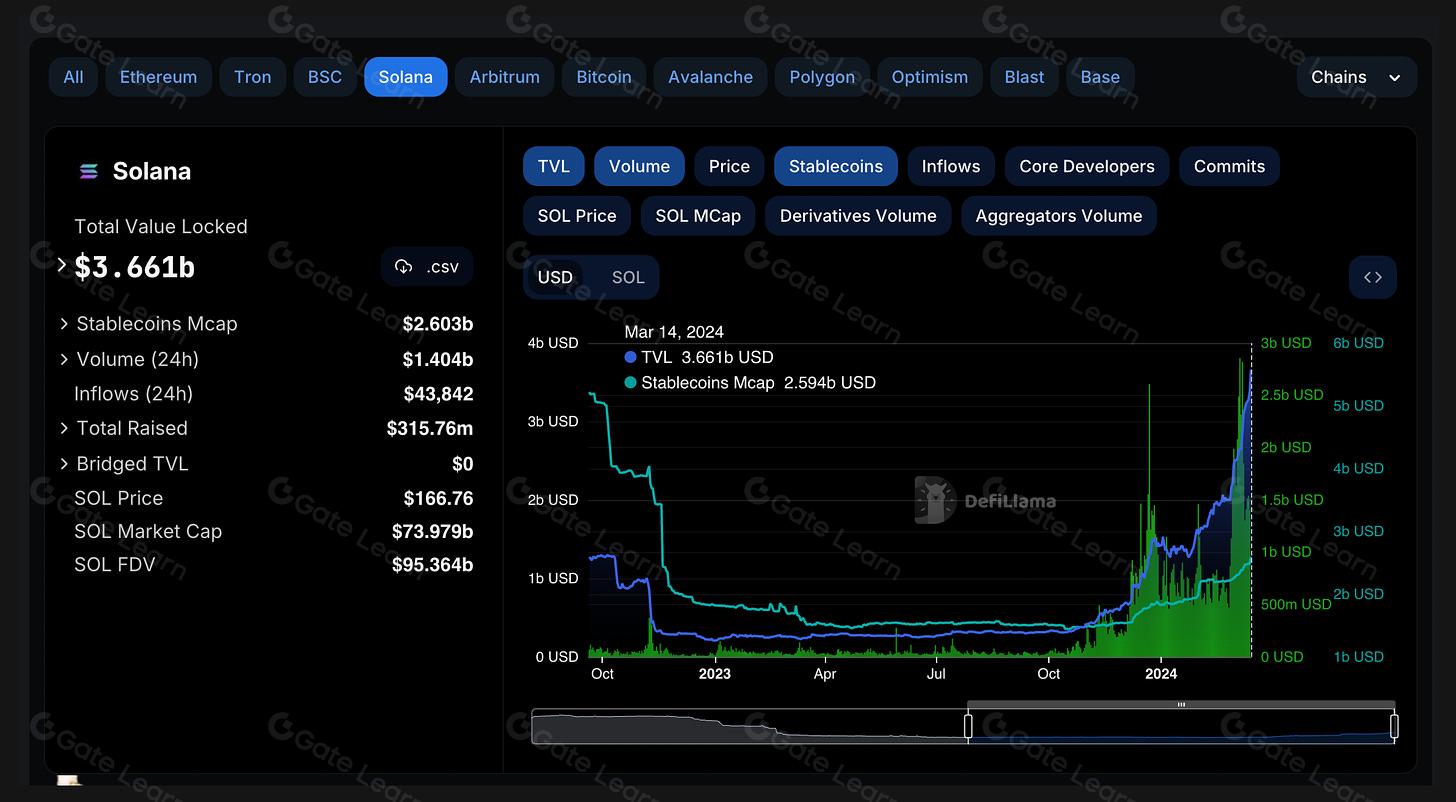
Building this infrastructure requires more than just API keys. You need to deploy bare-metal nodes close to the validator network to minimize network hop latency. This setup ensures that your data feed is as fresh as possible, giving you the edge needed to execute trades ahead of the crowd.
Co-location and physical infrastructure
In high-frequency trading, distance is the enemy. The speed of light is fast, but network latency is unforgiving. To compete on Solana, you cannot run your bots from a standard cloud instance in a generic data center. You need to place your servers physically close to the validators processing your transactions.
Proximity to validators
Solana validators are concentrated in a few major hubs. The most critical regions for HFT are Northern Virginia (US) and Frankfurt (Europe). These locations house the majority of high-performance validators and RPC nodes. By co-locating your infrastructure in the same data centers, you reduce round-trip time (RTT) to single-digit milliseconds.
This isn't just about ping times. It's about reducing the number of network hops between your order generator and the validator's gossip network. Every hop adds jitter and potential packet loss. In a market where profits are measured in microseconds, losing a packet because your server is in another state is an unacceptable risk.
Hardware requirements
Co-location requires bare-metal servers, not virtual machines. VMs introduce hypervisor overhead that kills performance. You need dedicated CPU cores with high single-thread performance to handle the heavy lifting of transaction serialization and signing. NVMe SSDs are mandatory for fast storage access, though most state is held in RAM.
Network connectivity is equally critical. You need direct, high-bandwidth connections to the exchange and validator infrastructure. Standard internet connections are too unstable. Look for providers that offer dedicated dark fiber or private lines within the data center. This ensures that your traffic doesn't compete with public internet congestion.
Infrastructure recommendations
To get started, you need the right hardware stack. Focus on servers with high-frequency CPUs and ample RAM for caching. Here are some essential components to consider for your setup:


As an Amazon Associate, we may earn from qualifying purchases.
By investing in the right physical infrastructure, you lay the groundwork for a competitive edge. Without co-location and proper hardware, your trading algorithms will struggle to keep up with the speed of the Solana network.
Avoiding Front-Running with Private Transaction Bundles
On public Solana RPCs, your transaction sits in the mempool where bots can see it before it lands on-chain. This visibility allows searchers to front-run your buy or sandwich your trade, stealing value through unfavorable slippage. To protect capital, you must route transactions through private channels that bypass the public mempool entirely.
Submit via Jito Blocks
Jito is the primary infrastructure for private transaction submission on Solana. Instead of broadcasting to the public network, you bundle your trades with a tip paid directly to the block builder. This ensures your transaction is included in a specific block without being visible to competitors beforehand. The tip acts as an incentive for validators to prioritize your bundle, effectively buying priority in the queue.
Configure Private RPC Endpoints
Standard public RPC nodes will expose your pending transactions. You need to switch your client configuration to a private RPC endpoint that supports bundle submission. Providers like Jito or specialized infrastructure partners offer these endpoints. Ensure your trading bot sends transactions to the private endpoint URL rather than the default public one. This step is non-negotiable for any serious HFT strategy.
Monitor Bundle Status
Private transactions require explicit confirmation. Unlike public transactions that might eventually land, private bundles can be rejected if the tip is too low or the block is full. Your infrastructure must monitor the status of each submitted bundle. If a bundle fails, you need a fallback mechanism to retry with a higher tip or cancel the order. Failure to monitor means lost opportunities and potential partial fills at bad prices.
Essential tools for execution
Building a Solana HFT bot isn't about writing a complex trading algorithm; it's about building a fast data pipeline. You are competing against firms with bare-metal servers colocated near validators. If your infrastructure is slow, your strategy doesn't matter. You need tools that minimize the distance between on-chain events and your execution logic.
The core stack usually revolves around three pillars: a low-latency RPC provider, a specialized execution framework, and a mempool-aware transaction builder.
MagicBlock and Ephemeral Rollups
MagicBlock is currently the leading infrastructure for Solana HFT. It uses "Ephemeral Rollups" to decouple execution from the main chain. Instead of sending every transaction directly to Solana's consensus layer, MagicBlock processes them in a high-throughput sidecar. This delivers sub-50ms latency and predictable costs, which is critical for strategies like arbitrage or front-running that rely on precise timing. It effectively gives you CEX-level speed on a DEX.
Jito SDK and Bundle Building
For transaction ordering, you need to bypass the standard blockspace auction. The Jito SDK allows you to build bundles that include your trade alongside a tip to a Block Engine. This ensures your transaction is included in the next block with high priority. Without Jito, you are at the mercy of the public mempool, where latency spikes can turn a profitable trade into a loss. The SDK handles the complex signing and bundling logic required to interact with Jito's infrastructure.
Rust-Based RPC Clients
Your connection to the blockchain must be optimized. Standard JSON-RPC clients are too slow for HFT. You need a Rust-based client that can deserialize block data in real-time. Libraries like solana-sdk and custom WebSocket handlers allow you to subscribe to slot updates and account changes with minimal overhead. This is where you capture the "alpha" before it even hits the public mempool.
Comparing Execution Paths
Choosing between a standard RPC and a specialized HFT stack like MagicBlock is a decision about latency versus complexity. The table below highlights the key differences in how these tools handle transaction speed and sequencing.
| Feature | Standard RPC | MagicBlock HFT |
|---|---|---|
| Latency | 100ms+ | Sub-50ms |
| Sequencing | First-Come-First-Served | Predictable FCFS |
| Cost | Variable, high during congestion | Predictable, fixed |
| Complexity | Low | High |
Source: MagicBlock High-Frequency Trading Documentation
Why Latency Wins
In HFT, you are not just trading; you are racing. A 10-millisecond delay can mean the difference between capturing a 2% arbitrage opportunity and watching it vanish. That is why most successful Solana bots spend 80% of their time optimizing infrastructure rather than refining trading logic. Use the right tools, and you stay in the game.
Risk management for high-speed trading
High-frequency trading on Solana moves faster than traditional finance, but that speed creates unique failure points. You aren't just fighting market volatility; you are fighting network congestion and smart contract fragility. A strategy that works on Ethereum can fail instantly on Solana if it doesn't account for block times and transaction ordering.
The most immediate threat is network congestion. During high-volume periods, your transactions may hit the mempool but never confirm, or worse, they confirm at a worse price due to MEV bots front-running your order. To mitigate this, you must implement strict slippage tolerance checks and use priority fees dynamically. Don't rely on static fees; adjust them based on real-time network load to ensure your trades execute within your desired time window.
Another critical risk is smart contract exploits. DeFi protocols are constantly updated, and a vulnerability in a liquidity pool or oracle can drain funds in seconds. HFT bots often interact with multiple protocols simultaneously, increasing the attack surface. Always verify the contract address and check for recent audits or known issues. Consider using a sandbox environment to test interactions before deploying capital on mainnet.
Finally, operational resilience is key. Your infrastructure must handle rapid state changes without crashing. Monitor RPC health closely and have fallback endpoints ready. If one provider goes down, your bot should switch seamlessly to another without missing a trade. This isn't just about speed; it's about survival in a high-stakes environment.
What is a Solana DeFi strategy?
A disciplined Solana DeFi strategy is a structured allocation of assets across risk-tiered activities—liquid staking, lending, liquidity provision, and yield farming—rather than pure high-frequency speculation. It relies on predefined rebalancing rules, position limits, and exit triggers to manage the unique volatility and protocol risks inherent to the Solana ecosystem.
Unlike traditional HFT approaches that chase micro-second arbitrage, this strategy focuses on sustainable yield generation through infrastructure efficiency. By leveraging Solana’s low fees and fast confirmations, traders can execute complex multi-leg positions without eroding margins, turning network advantages into consistent alpha.
No comments yet. Be the first to share your thoughts!