Why Solana Fits High-Frequency Trading Workloads
Solana’s architecture was built for throughput, not just capacity. For high-frequency trading (HFT), the difference between a 12-second Ethereum block and Solana’s 400ms block time is the difference between watching paint dry and playing chess at bullet speed. This sub-second finality allows traders to execute, settle, and react to market shifts in real time, a requirement for strategies that rely on micro-second advantages.
The economic model further supports this velocity. While EVM chains often suffer from gas fees that fluctuate wildly during high congestion, Solana’s transaction costs remain negligible—typically fractions of a cent. This predictability is critical for HFT bots that execute thousands of transactions per minute. If fees were significant, the profit margins on arbitrage or market-making strategies would vanish instantly. Solana’s low cost structure ensures that the overhead of high-frequency activity does not erode the edge.
Beyond speed and cost, Solana’s parallel transaction processing (Sealevel) allows the network to handle multiple transactions simultaneously rather than sequentially. This parallelism prevents the bottlenecks common on other high-throughput chains, ensuring that order execution remains consistent even during periods of intense market volatility. For an HFT infrastructure, this reliability is as important as raw speed.
Core Infrastructure for Low Latency
Building a Solana HFT strategy isn't about writing the smartest code; it's about minimizing the physical and logical distance between your signal and the chain. On Solana, latency is measured in milliseconds, and slippage eats profits before you even see the fill. To compete with centralized exchanges, you need an infrastructure stack that prioritizes speed above all else.
RPC Nodes and Connection Management
Your RPC node is the bottleneck. Standard public endpoints introduce unpredictable delays that will cause your bots to miss blocks. You need a dedicated, high-throughput node, preferably run by a provider with direct peering to Solana validators. This ensures your transactions hit the mempool with the lowest possible propagation delay. Consider using a provider that offers dedicated RPC instances or collocated servers to keep your connection tight.
Colocation and Network Proximity
For the highest frequency strategies, network hops are the enemy. Colocation—hosting your trading servers in the same data center as your RPC provider or validator—removes the latency of traveling across the internet. This physical proximity ensures that your signed transactions reach the network faster than anyone else. If you can't colocate, choose a cloud region that is geographically closest to the validator cluster you're targeting.
Transaction Serialization and FCFS Sequencing
Solana's architecture processes transactions in first-come, first-served (FCFS) order within a block. This means the first valid transaction to arrive gets priority. To exploit this, your bot must serialize transactions efficiently and send them with the highest priority fees possible. Tools like MagicBlock's ephemeral rollups can help by delivering sub-50ms latency and predictable costs, ensuring your trades are sequenced correctly without getting stuck in the mempool backlog.
Visualizing Latency Impact
The difference between a profitable trade and a failed one often comes down to milliseconds. The chart below shows SOL/USDC volatility. Notice how quickly price can shift during high-volume periods. Your infrastructure needs to react to these shifts instantly. A lagging RPC node or a distant server will leave you trading on stale data, resulting in significant slippage or failed transactions.
DEX Routing and Liquidity Access
High-frequency trading on Solana isn't about picking a single exchange; it's about navigating a fragmented liquidity landscape. If you're building or running an HFT bot, you'll almost certainly rely on Jupiter. It acts as the primary liquidity router for the chain, pulling quotes from every available DEX to find the optimal execution path. Without this aggregation layer, your bot would be fighting inefficient routes and higher slippage.
The core advantage here is speed and cost efficiency. By splitting orders across multiple venues, Jupiter minimizes the impact on price and reduces the gas fees associated with complex swaps. For HFT strategies where margins are thin and latency is everything, this routing intelligence is the difference between a profitable trade and a loss. You aren't just trading Solana; you're trading the best available price across the entire ecosystem in a single transaction.
To understand where your capital flows, it helps to look at the infrastructure. Different DEXs have varying latency profiles and fee structures, which directly impact your bot's performance. The table below compares the key characteristics of the major venues your bot will interact with through the aggregator.
| DEX | Typical Latency | Fee Structure | Liquidity Depth |
|---|---|---|---|
| Raydium | Low | Tiered (0.25%) | High (AMM) |
| Orca | Low | Tiered (0.30%) | Medium-High (Concentrated) |
| Jupiter Aggregator | Ultra-Low | Variable (Best Path) | Aggregate (All DEXs) |
| Meteora | Low | Dynamic | High (DLMM) |
When your bot executes, it's essentially performing a complex calculation in milliseconds. It checks the order book, scans AMM pools, and routes the trade through the path that offers the best price after fees. This process is automated by the aggregator, but your bot needs to understand the underlying mechanics to optimize its strategies. For instance, knowing that Raydium offers deep liquidity for major pairs but higher fees for small caps can help your bot decide when to bypass certain routes.
The real-time nature of Solana means that liquidity conditions change rapidly. A path that looks optimal one second might be suboptimal the next due to a large trade or a sudden shift in market sentiment. This is why your infrastructure must be built for speed, with direct RPC connections and optimized transaction serialization. Relying on public endpoints or slow network propagation will leave you behind the competition.
Bot Architecture and Risk Controls
Building a Solana HFT bot is less about predicting the market and more about surviving the noise. Solana’s 400ms block times create a high-velocity environment where latency is the only real edge, but they also introduce unique failure modes. A single unhandled exception or a stuck transaction can drain a portfolio in seconds. To trade effectively, you need an architecture that prioritizes fault tolerance over raw speed.
1. Isolate Core Logic from Network I/O
Your bot’s trading engine should be decoupled from the RPC connection. If you block the main thread waiting for a node response, you miss the next opportunity. Use an asynchronous message queue to handle order placement and state updates. This ensures that even if the network lags, your internal state machine continues to process signals and manage positions without freezing.
Use a producer-consumer pattern. Your signal generator pushes trade ideas to a queue, while a dedicated executor service handles the actual transaction submission. This separation allows you to retry failed transactions without interrupting the strategy’s core loop.
2. Implement Strict Position Sizing
HFT strategies often rely on high win rates with thin margins. A single large position can wipe out weeks of small gains if the market moves against you. Implement dynamic position sizing based on your available capital and current volatility. Never risk more than a fixed percentage of your total equity on a single trade, and scale down exposure during high-volatility events.
3. Deploy Circuit Breakers
Circuit breakers are your emergency stop. They monitor your bot’s health and financial performance in real-time. If your drawdown exceeds a predefined threshold, or if your error rate spikes, the breaker automatically pauses trading. This prevents runaway bugs or unexpected market conditions from causing catastrophic losses. Always test these breakers in a simulated environment before deploying to mainnet.
4. Handle RPC Failures Gracefully
Solana RPC nodes can drop transactions or return stale data. Your bot must handle these failures without crashing. Implement exponential backoff for retries, and use multiple RPC endpoints to ensure redundancy. If all nodes fail, the bot should enter a safe state, halt trading, and alert you immediately.
5. Monitor and Log Everything
You cannot fix what you cannot see. Log every trade, error, and state change with high precision. Use structured logging to make it easy to analyze performance later. Track metrics like latency, success rate, and slippage. This data is crucial for tuning your strategy and identifying bottlenecks in your architecture.
Essential tools for solana traders
Running high-frequency strategies on Solana requires more than just smart contracts; it demands a physical and digital infrastructure built for speed. The gap between code and execution is where latency lives, and minimizing that distance is the primary objective. You need hardware that minimizes network hops and software that prioritizes raw throughput over user-friendly interfaces.
Hardware for low-latency execution
Your physical setup dictates the baseline latency. A standard laptop connected to home Wi-Fi introduces unnecessary jitter and packet loss. Professional traders often deploy dedicated machines located in data centers co-located with major Solana validator nodes or RPC providers. This proximity reduces the time it takes for a transaction to leave your machine and reach the network.
For those operating from remote locations, a high-quality, low-latency router and a wired Ethernet connection are non-negotiable. Wireless connections are prone to interference that can cause missed blocks. The goal is to create a stable, predictable pipeline from your CPU to the blockchain.

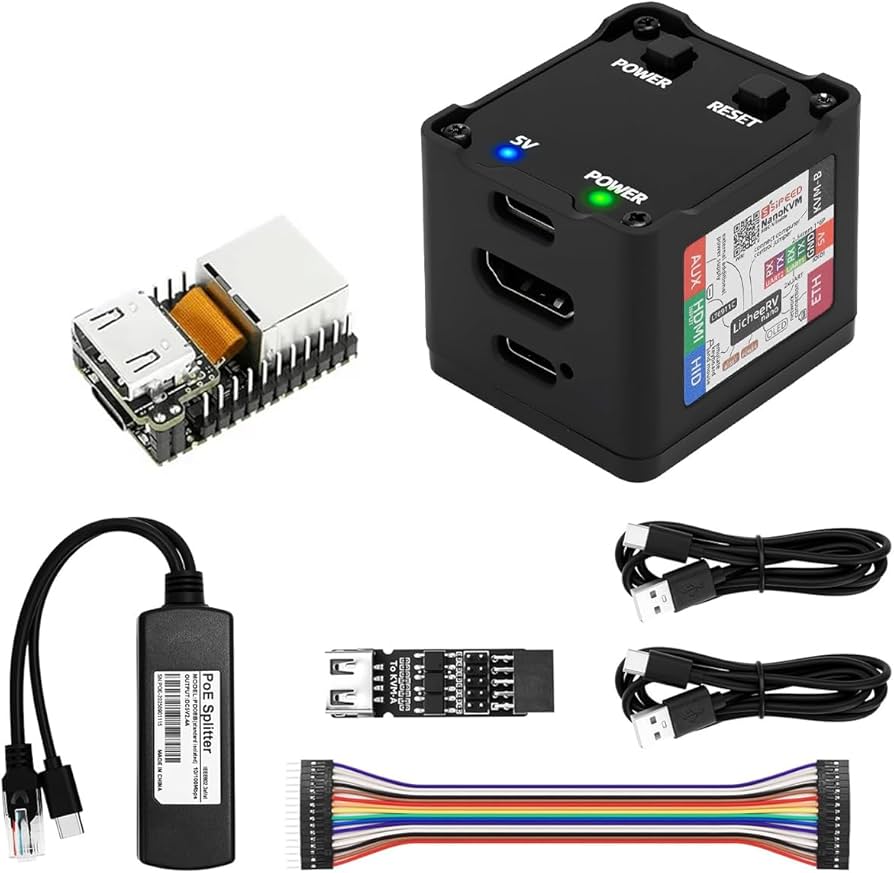

As an Amazon Associate, we may earn from qualifying purchases.
Software and RPC infrastructure
Software tools fall into two categories: execution clients and data feeds. For execution, you need a lightweight client or a direct connection to a Solana validator. Standard wallets like Phantom are too slow for HFT because they include UI rendering and security checks that add milliseconds. Instead, use headless clients or custom scripts that interact directly with the RPC endpoint.
The choice of RPC provider is critical. Public RPC nodes are shared resources with rate limits and inconsistent performance. For HFT, you need a dedicated, private RPC endpoint with guaranteed uptime and low latency. Providers like Helius, QuickNode, or Triton offer the infrastructure required to handle thousands of requests per second without dropping packets. Always benchmark your RPC provider against the Solana mainnet before committing capital.
No comments yet. Be the first to share your thoughts!