Why Solana Fits High-Frequency Trading
High-frequency trading (HFT) lives or dies by the gap between signal execution and market price drift. On slower chains, that latency window is wide enough for arbitrageurs to slip in and steal the edge. Solana’s architecture closes that window, turning the blockchain from a settlement layer into a high-speed execution venue.
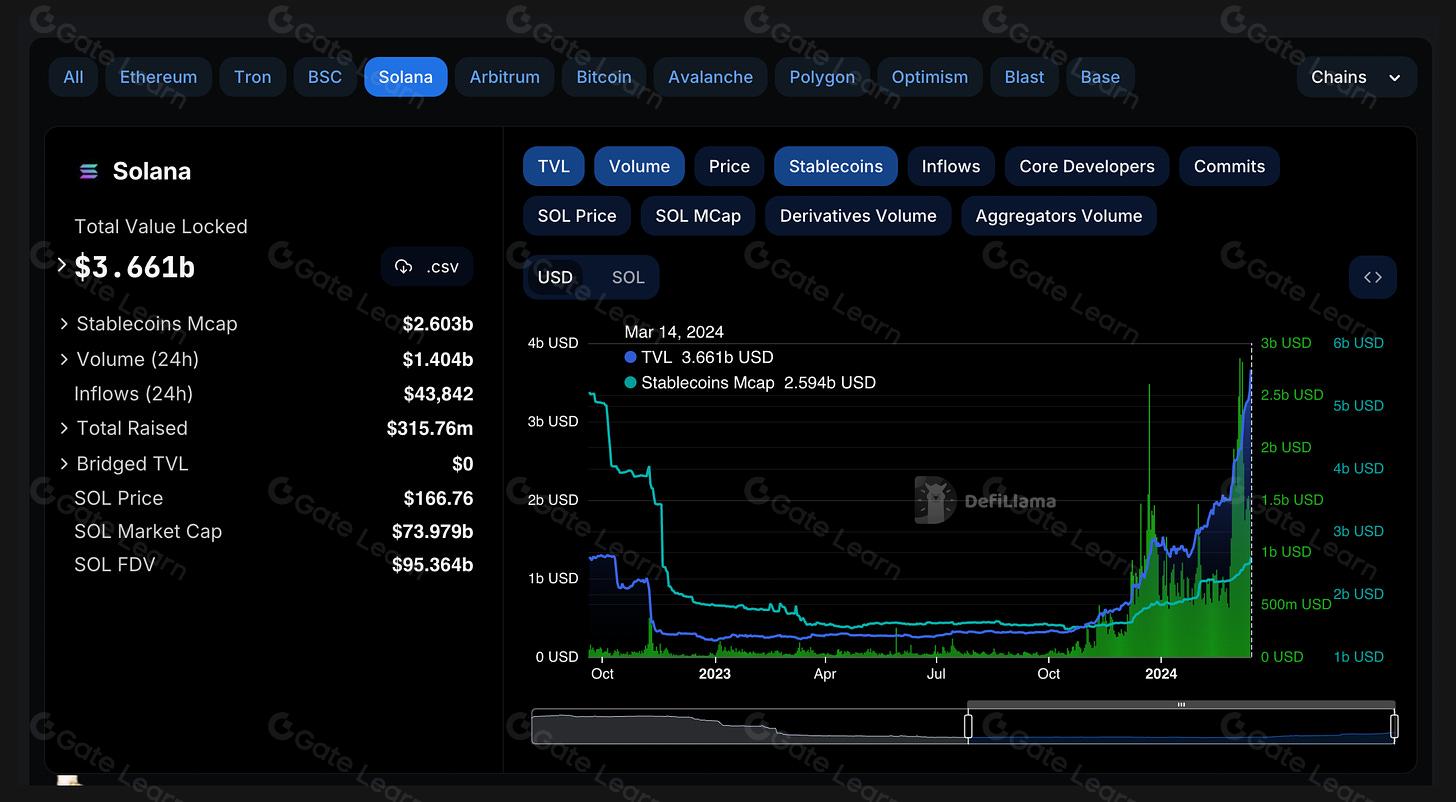
The primary advantage is raw throughput. With a target block time of 400 milliseconds and the ability to process thousands of transactions per second, Solana offers the deterministic finality that HFT bots require. This speed isn’t just a convenience; it’s a structural prerequisite for strategies that rely on capturing micro-discrepancies across decentralized exchanges before they correct.
Cost is the second pillar. HFT strategies often involve thousands of small trades to compound small gains. On networks with high gas fees, these micro-transactions become unprofitable. Solana’s negligible transaction costs—often fractions of a cent—allow bots to execute complex, multi-leg strategies without the fee overhead eroding the margin. This economic efficiency makes it viable to run high-frequency logic that would be financially impossible on legacy EVM chains.
Infrastructure for Sub-50ms Latency
Standard Solana RPC nodes are not built for high-frequency trading. They are designed for general stability, meaning they often route requests through shared infrastructure that introduces unpredictable delays. For HFT, where a 100-millisecond delay can turn a profitable arbitrage into a loss, you need a specialized technical stack. This means moving away from public endpoints to dedicated, co-located infrastructure that minimizes the physical and computational distance between your bot and the Solana validator.
Optimizing the RPC Connection
The first layer of latency reduction is the RPC connection itself. You cannot rely on standard node providers like Helius or Triton for the core execution leg of your strategy. Instead, you need a dedicated RPC node that is co-located in the same data center as the primary Solana validators. This physical proximity reduces network hops, which is the single largest variable in latency.
Beyond location, the node must be configured for high-throughput transaction submission. This involves using dedicated RPC ports that bypass the general-purpose load balancers used by retail developers. You also need to implement direct connection protocols (QUIC) and optimize your transaction serialization. Every byte saved in the transaction payload reduces the time it takes to sign and broadcast. If your bot is sending raw transaction data rather than optimized, pre-signed instructions, you are leaving milliseconds on the table.
Ephemeral Rollups and MagicBlock
Even with a co-located RPC, the Solana base layer has inherent limitations. The network processes blocks in roughly 400ms intervals, and within those blocks, transactions are sequenced. In a high-contention environment, like a popular DEX launch or a major arbitrage opportunity, this creates a bottleneck. You might get your transaction into the block, but you might not get it executed in the order you want, or at all, due to priority fees and network congestion.
This is where ephemeral rollups, such as MagicBlock, change the game. Instead of submitting every trade directly to the Solana mainnet, HFT firms use rollups to batch and sequence transactions off-chain or in a specialized layer. MagicBlock’s architecture allows for sub-50ms latency by handling the heavy lifting of transaction ordering and execution within its own optimized environment. It effectively gives you a private, high-speed lane for your trades.
The benefit is twofold: predictable costs and guaranteed sequencing. On mainnet, you are bidding against every other bot for block space. On an ephemeral rollup, you control the order. Once the rollup settles the batch to Solana, the execution is final and fast. This mirrors the experience of centralized exchanges, where order matching happens internally before settlement on a ledger. For HFT, this consistency is more valuable than raw speed alone.
The Complete Stack
Building this infrastructure requires more than just software. It involves a combination of hardware, network configuration, and strategic partnerships. You need:
- Co-located Servers: Physical servers in the same data center as Solana validators (often in Tokyo or New York).
- Dedicated RPC Nodes: Private nodes with optimized ports and direct validator connections.
- Rollup Integration: Integration with platforms like MagicBlock for batched, low-latency execution.
- Custom Client Libraries: Optimized Rust or C++ libraries for transaction serialization and signing.
This stack is not cheap. It requires significant capital expenditure and technical expertise. However, for firms trading in the sub-50ms space, it is the only way to compete. The difference between a successful HFT strategy and a failed one often comes down to these infrastructure details. If you are serious about high-frequency trading on Solana, you must treat infrastructure as a core component of your alpha, not an afterthought.
Top Solana DeFi exchanges for HFT
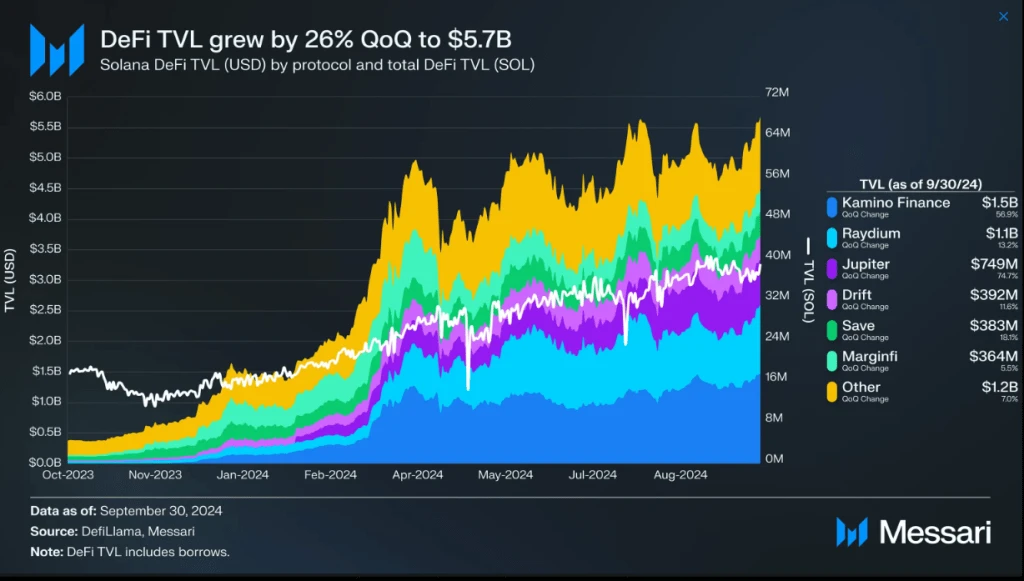
For high-frequency trading on Solana, the choice of exchange isn't just about interface—it's about infrastructure. The three dominant players—Jupiter, Raydium, and Orca—each offer distinct advantages for algorithmic strategies, primarily differing in how they handle liquidity aggregation, API latency, and swap execution paths.
Jupiter acts as the primary liquidity aggregator, routing orders across multiple venues to ensure the best possible price. Its robust API allows for complex swap instructions and parallelized transactions, making it the go-to for bots that need to minimize slippage across fragmented liquidity. Raydium, built on the Serum DEX architecture, offers deep liquidity for specific token pairs and supports on-chain order books, which can be exploited by HFT bots for arbitrage opportunities. Orca, with its concentrated liquidity model, provides tighter spreads for major pairs, reducing the cost of frequent trades.
The table below compares their core technical capabilities relevant to algorithmic trading.
| Feature | Jupiter | Raydium | Orca |
|---|---|---|---|
| Liquidity Type | Aggregated | AMM + Order Book | Concentrated AMM |
| API Latency | Low (Optimized) | Medium | Medium |
| Slippage Control | High | Medium | High |
| Best For | Arbitrage & Routing | Order Book Arb | Stable & Major Pairs |
When selecting a DEX for HFT, prioritize the one that aligns with your strategy's execution needs. If your bot relies on finding the best price across the entire Solana ecosystem, Jupiter's aggregation is essential. If you are targeting specific token pairs with deep order book liquidity, Raydium offers the necessary structure. For strategies focused on major pairs with tight spreads, Orca's concentrated liquidity can reduce trading costs significantly.
Essential tools for algorithmic execution
Running high-frequency strategies on Solana requires moving beyond standard web interfaces. You need specialized software that can interact with the blockchain at the speed of the network's block production. Generic trading bots often fail here because they rely on slow, public RPC endpoints that introduce latency.
Professional developers typically deploy custom execution engines or use frameworks designed for Solana's unique architecture. These tools allow you to bypass standard rate limits, manage private transaction flow, and react to market changes in milliseconds. Without this infrastructure, your trades will likely be front-run or fail due to network congestion.
Jito Bundles and Private Transactions
Standard public mempool transactions are visible to everyone, making them vulnerable to arbitrage bots. To compete in HFT, you must use Jito bundles. This toolset allows you to bundle your trade with a tip to validators, ensuring your transaction is included in the next block without being exposed to the public mempool. It effectively privatizes your execution path.
Custom RPC Nodes
Speed is the primary differentiator. You cannot run an HFT bot on a free, shared RPC endpoint. You need a dedicated, high-performance RPC node (such as Helius, QuickNode, or a self-hosted validator) to minimize latency. These nodes provide faster block subscription updates and higher transaction throughput, which is critical for catching fleeting arbitrage opportunities.
Execution Frameworks
For developers, frameworks like Anchor or direct Solana Web3.js interactions are common. However, many HFT traders use pre-built bot frameworks that handle the complexity of token approvals and swap routing. These tools often integrate directly with aggregators like Jupiter to ensure you get the best price across multiple liquidity pools.


As an Amazon Associate, we may earn from qualifying purchases.
Common pitfalls in Solana HFT
Building a high-frequency trading bot on Solana is often mistaken for a simple coding exercise. In reality, it is an infrastructure arms race. The network’s speed is its greatest asset and its most dangerous liability. When things go wrong, they go wrong in milliseconds, and the costs of failure are immediate.
Network congestion and block limits
Solana’s high throughput comes with strict block size limits. During periods of high volatility or meme coin mania, the network can become congested, leading to transaction failures or delayed execution. For HFT, a failed transaction isn’t just a lost trade; it’s a signal to competitors that you are active. If your bot cannot submit transactions consistently within the block window, you are trading with one hand tied behind your back.
Slippage and liquidity fragmentation
Solana’s liquidity is spread across multiple decentralized exchanges (DEXs) like Jupiter, Raydium, and Orca. Unlike centralized exchanges with a single order book, you must aggregate liquidity sources. Poor routing algorithms can lead to significant slippage, eating into your thin HFT margins. Even a 0.1% slippage on a high-frequency strategy can turn a profitable bot into a bleeding one. You need sophisticated smart order routing to navigate this fragmented landscape.
MEV and front-running
Maximal Extractable Value (MEV) bots are constantly scanning the mempool for profitable transactions. If your HFT strategy is not designed with MEV resistance in mind, you will be front-run. Attackers can see your pending transaction and submit their own with a higher gas fee (or priority fee) to execute first, then let your transaction fail or execute at a worse price. This is not theoretical; it is a daily reality for Solana traders.
Technical complexity
The tools available, such as MagicBlock’s ephemeral rollups, aim to solve latency issues, but they add another layer of complexity. You are not just writing trading logic; you are managing infrastructure, network latency, and competitive threats. As one developer noted after 11 months of building, the commitment is serious. The gap between a working prototype and a production-ready HFT system is vast.
No comments yet. Be the first to share your thoughts!