The Reality of HFT on Solana
High-frequency trading on Solana is often misunderstood. It is not merely about speed; it is about minimizing the latency between block production and transaction inclusion. In this environment, microseconds are the difference between profit and loss.
The infrastructure acts as the primary differentiator. Unlike traditional finance, where exchange colocation is king, Solana HFT relies on optimized RPC nodes, custom transaction serialization, and direct block builder integration. Marketing hype often glosses over the technical complexity required to consistently execute thousands of transactions daily 1.
Research indicates that successful on-chain HFT strategies exploit small price changes across decentralized exchanges 2. This requires a robust stack that can detect inefficiencies and execute trades before the block finalizes. The barrier to entry is high, but the potential for arbitrage and market-making remains significant for those with the right technical setup.
RPC Access and Co-Location
High-frequency trading on Solana is less about strategy and more about infrastructure. The gap between a retail trader and a professional HFT firm is defined by latency. In 2026, relying on public RPC endpoints is no longer viable for competitive execution. You need dedicated, high-throughput access to the Solana network to process transactions before the market moves.
Dedicated RPC Endpoints
Public RPC nodes are shared resources. They throttle requests and introduce unpredictable latency. For HFT, you require a dedicated RPC endpoint with guaranteed throughput and priority fee handling. Providers like Helius, QuickNode, or Triton offer dedicated clusters that prioritize your transactions. This ensures your order leaves your server and enters the mempool faster than anyone else.
Validator Co-Location
Latency is measured in microseconds. Placing your trading server in the same data center as the validator nodes eliminates network hops. This co-location strategy reduces the time it takes for your transaction to reach the network. It is the single most effective way to shave milliseconds off your execution time. Without it, you are trading with a handicap.
Data Streaming Protocols
You need real-time data to make real-time decisions. Standard REST APIs are too slow. Use WebSocket streams to receive block updates, transaction logs, and account changes instantly. This allows your bots to react to market shifts the moment they happen. Combine this with a low-latency trading node to execute trades based on live data.
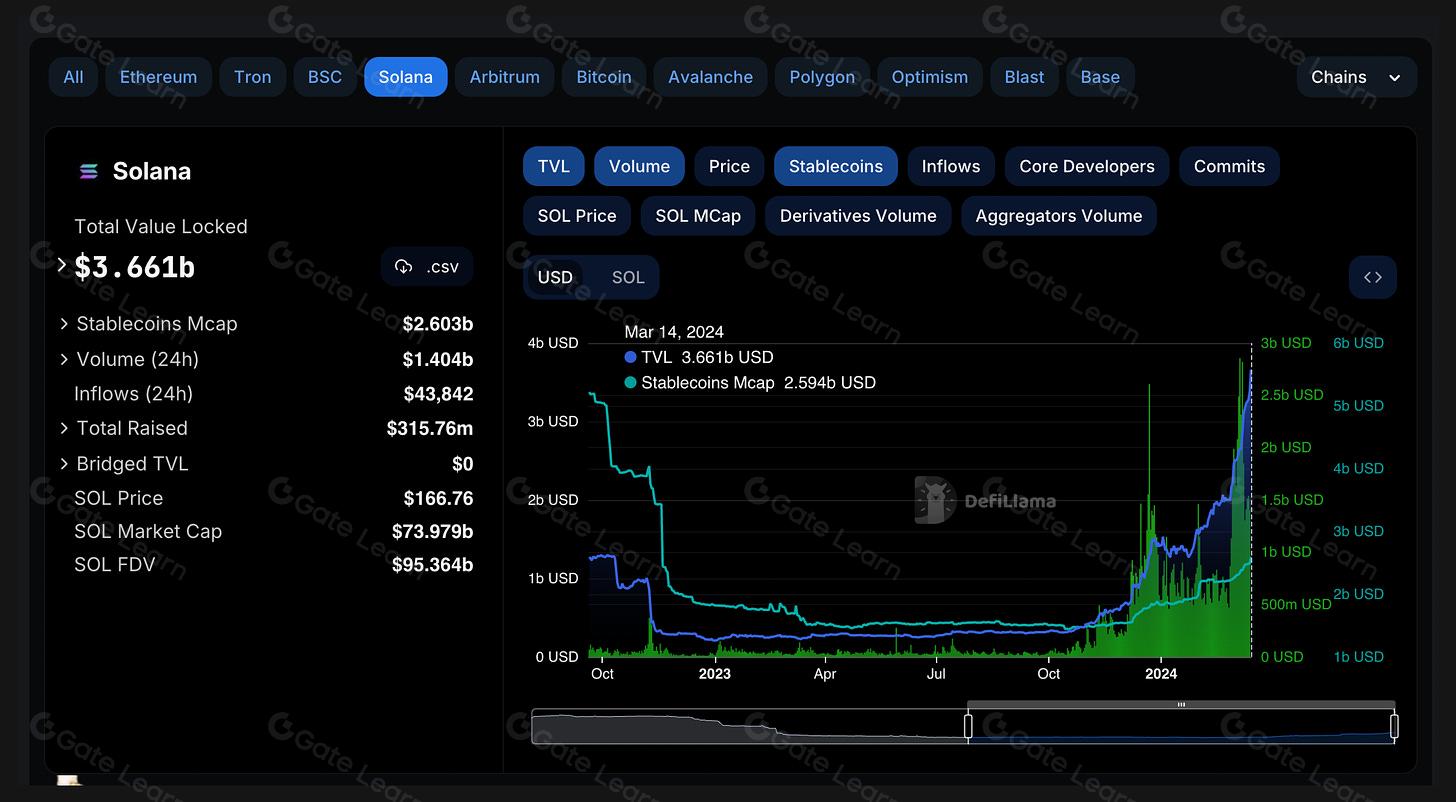
DEX selection and execution tools
Solana High-Frequency DeFi Trading works best as a clear sequence: define the constraint, compare the realistic options, test the tradeoff, and choose the path with the fewest hidden costs. That order keeps the advice usable instead of decorative. After each step, pause long enough to check whether the recommendation still fits the reader's actual situation. If it depends on perfect timing, unusual access, or a best-case budget, include a simpler fallback.
| Factor | What to check | Why it matters |
|---|---|---|
| Fit | Match the option to the primary use case. | A good deal still fails if it does not fit the job. |
| Condition | Verify age, wear, and service history. | Hidden condition issues erase upfront savings. |
| Cost | Compare purchase price with likely upkeep. | The cheapest option is not always the lowest-cost option. |
The Cost of Running High-Frequency Bots
High-frequency trading on Solana is rarely a passive income stream. It is a resource-intensive infrastructure play where profitability is determined by the spread between your transaction costs and the arbitrage opportunities you capture. While bots can execute thousands of trades to exploit small price inefficiencies, the margins are razor-thin. A single failed transaction or a slightly slower execution path can erase the profits of dozens of successful ones.
The primary enemy of profitability is not market direction, but latency and network congestion. On Solana, a strategy that works in a quiet market often fails during high volatility when the network is saturated. If your bot cannot consistently land transactions within the optimal block window, you will spend heavily on priority fees without securing trades. This is why infrastructure—specifically direct RPC connections and optimized serialization—is the only real differentiator between a losing script and a viable trading system.
Maintenance is the hidden cost that kills most projects. As a developer, you are not just trading; you are fighting a continuous war against protocol upgrades and MEV (Maximal Extractable Value) bots designed to front-run your strategies. The landscape shifts daily. A strategy that generates alpha today may be arbitraged away tomorrow by a competitor with better code or lower latency. This is not a "set and forget" model. It requires constant monitoring, code optimization, and rapid adaptation to new on-chain dynamics.
Many developers underestimate the operational burden. One trader shared their experience building a copy-cat bot over eleven months, noting that despite the technical fun, the journey ended in failure. The system went through multiple iterations, but the cumulative cost of development time, failed experiments, and network fees ultimately outweighed the returns. This is a common outcome for those who treat HFT as a simple coding project rather than a rigorous engineering challenge.
The reality of HFT on Solana is that it is an arms race. You are competing against well-funded teams with dedicated hardware and direct node access. For individual developers, the path to profitability is narrow and requires exceptional technical skill and significant capital to absorb the initial learning curve and operational losses. Without a clear edge in speed or strategy, the costs will likely exceed the gains.
Frequently asked: what to check next
Are HFT bots profitable on Solana? Profitability depends on infrastructure speed, not just code. As noted in industry analysis, HFT bots exploit small price changes by executing thousands of transactions to correct market inefficiencies. On Solana, this requires low-latency RPC nodes and direct block building to avoid being front-run. Without specialized hardware and optimized transaction ordering, retail bots typically lose money to fees and slippage despite high transaction volume.
Can you realistically make $100 a day trading crypto? While possible, this is not a stable baseline for most traders. Earning $100 daily requires significant capital or extreme volatility. In the context of Solana HFT, profits are generated by capturing micro-spreads across many pairs. For a retail trader, achieving this consistently demands institutional-grade tools and risk management, as a single failed trade or network congestion event can erase days of gains.
Will Solana hit $10,000? Price predictions vary widely, but current market analysis points to Solana’s maturing ecosystem as a driver for long-term value. With platforms evolving to serve distinct segments from high-frequency memecoin traders to institutional DeFi users, the network’s utility is expanding. However, token price is influenced by broader macroeconomic factors and crypto market cycles, making specific price targets speculative rather than guaranteed.
What are the best DeFi projects for HFT on Solana? The "best" project depends on your strategy. Leading platforms are increasingly specialized: some optimize for memecoin liquidity and speed, while others focus on deep order books for stablecoins. In 2026, the trend is toward platforms that offer direct API access for HFT bots, allowing traders to bypass standard web interfaces and execute trades with minimal latency. Choosing a platform with robust RPC support is more critical than the token itself.
Helpful gear
Use these product recommendations as a starting point, then choose the size, material, and price point that fit how you actually use the gear.

As an Amazon Associate, we may earn from qualifying purchases.
No comments yet. Be the first to share your thoughts!