Why latency defines Solana HFT
In the 2026 Solana landscape, the difference between a profitable high-frequency trading (HFT) strategy and a losing one rarely comes down to the alpha of the algorithm itself. It comes down to infrastructure speed. While traditional finance might treat network latency as a nuisance, on Solana, it is the primary bottleneck that dictates whether your trades execute or fail. The Yellowstone upgrade and the integration of Jito have raised the baseline for what "fast" means, making raw RPC performance the most critical differentiator in the market.
Consider the sheer scale of the environment you are operating in. Kamino, the largest single DeFi protocol on Solana by TVL, manages $1.48 billion across isolated lending markets supporting major assets like SOL, USDC, and JUP. When such massive liquidity pools are active, the race to front-run or arbitrage opportunities is measured in microseconds. If your infrastructure cannot keep pace with the block production rate, your sophisticated models become irrelevant because you simply cannot get your transactions on-chain in time.
Building infrastructure that looks fast is not enough; it must perform under pressure. As noted by developers who have deployed over 100 HFT nodes, the lessons learned are less about coding cleverness and more about the underlying network stack. The battle is won by those who optimize the path from their code to the validator. This means prioritizing low-latency RPC connections, optimizing transaction serialization, and understanding how Jito bundles interact with the consensus layer. Without this foundation, no amount of algorithmic refinement will save your trading performance.
The RPC stack: Yellowstone and Jito
In 2026, standard JSON-RPC endpoints are no longer sufficient for high-frequency trading on Solana. The latency gap between a standard node and a specialized infrastructure stack is wide enough to determine profitability. To compete, you need direct, low-latency access to the blockchain’s raw data stream, specifically through Yellowstone gRPC and Jito’s ShredStream.
Yellowstone gRPC: Real-Time Data
Yellowstone is the industry-standard gRPC interface for Solana. It provides real-time access to the ledger, allowing your bots to react to state changes in microseconds. Unlike polling-based methods, Yellowstone streams block and transaction data directly to your infrastructure. This is critical for strategies like arbitrage, where the opportunity window often closes before a standard HTTP request can complete.
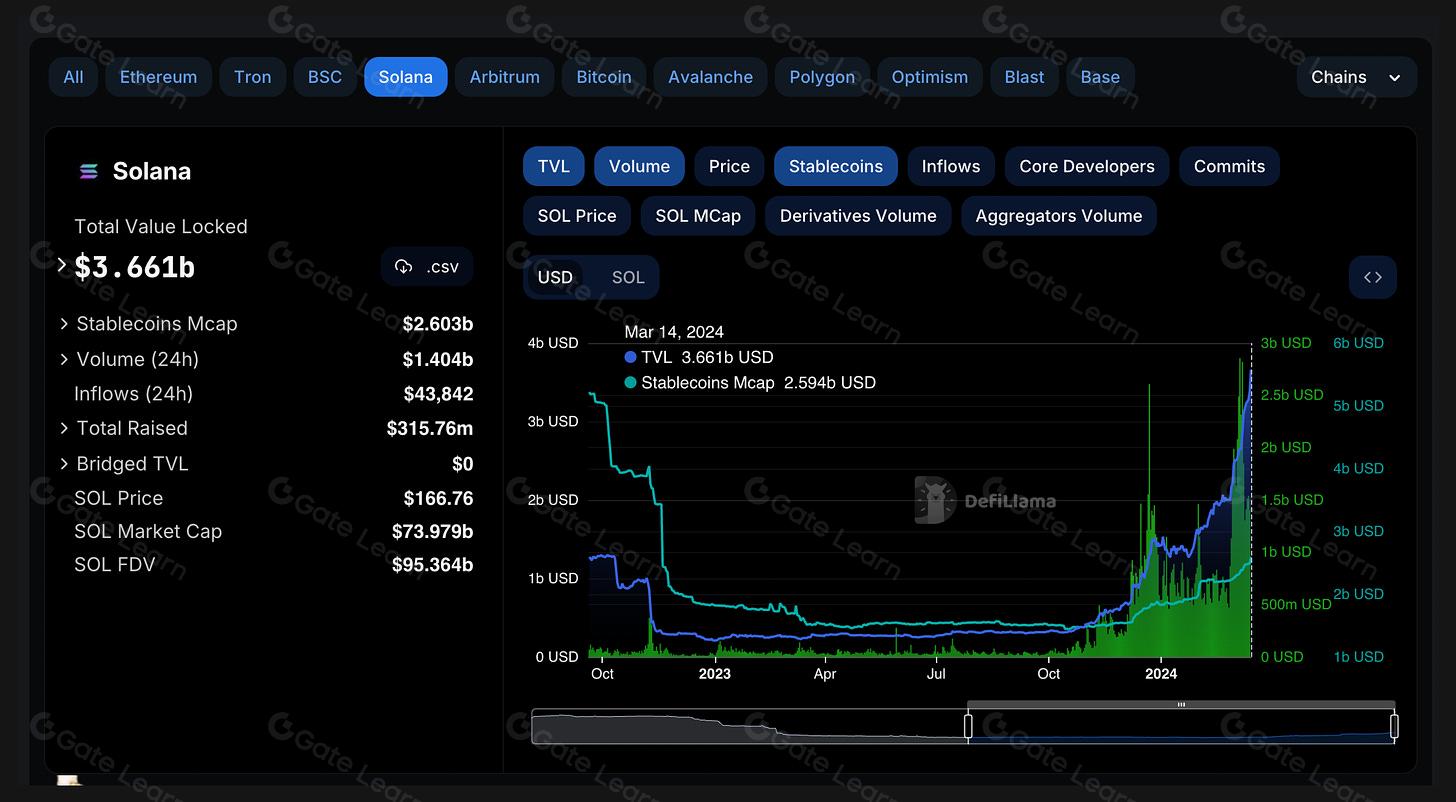
For context, protocols like Kamino, which holds over $1.48 billion in TVL, rely on this level of data fidelity to manage isolated lending markets efficiently. If your trading logic depends on precise timing relative to these large-scale movements, Yellowstone is the baseline requirement, not an optional upgrade.
Jito ShredStream: Pre-Confirmation Edge
While Yellowstone gets you the data, Jito’s ShredStream gives you the timing edge. ShredStream allows you to receive blocks before they are finalized on the main chain. By accessing these "pre-confirmed" blocks, your bots can construct and submit transactions that are guaranteed to be included in the next block, bypassing the mempool congestion that plagues standard trading.
This capability is essential for MEV (Maximal Extractable Value) strategies. It transforms your infrastructure from a passive observer into an active participant that can front-run or sandwich trades with precision. Without ShredStream, you are reacting to what has already happened; with it, you are positioning for what is about to happen.
MEV and transaction submission
In 2026, the public mempool is a minefield for high-frequency traders. If you broadcast your transactions directly to the standard validator queue, you are broadcasting your intent to every searcher and bot on the network. This exposure invites sandwich attacks, where malicious actors front-run your buy and back-run your sell, stealing your slippage before your trade even settles. To capture value rather than lose it, you must route your transactions through private submission channels.
Private Bundles and FCFS Sequencing
The standard defense against MEV is using private relays that bundle your transactions and submit them directly to validators, bypassing the public mempool entirely. Jito has become the de facto standard for this infrastructure on Solana. By using Jito bundles, you can achieve Fair-First-Come-First-Serve (FCFS) sequencing. This ensures that your transaction is processed in the exact order you intended, without being reordered or dropped by MEV bots. For protocols with deep liquidity, like Kamino which holds $1.48 billion in TVL, maintaining FCFS sequencing is critical to executing large swaps or lending operations without catastrophic slippage.
Infrastructure Latency
Private bundles alone are not enough if your submission infrastructure is slow. You need a low-latency RPC connection that can detect block space availability and submit bundles in milliseconds. Services like MagicBlock offer ephemeral rollups that deliver sub-50ms latency, providing the predictable costs and speed necessary to compete in 2026. Without this speed advantage, even private bundles may arrive too late to avoid being outpaced by faster searchers. Combining private submission with ultra-fast RPC nodes creates a moat against MEV extraction.


As an Amazon Associate, we may earn from qualifying purchases.
Top DEXs for high-frequency volume
Liquidity concentration on Solana is not uniform. For high-frequency trading (HFT) strategies relying on low latency and deep order books, you need to know where the volume actually settles. The architecture of the exchange dictates your slippage and execution speed, especially when integrating with Yellowstone RPC nodes or Jito bundles.
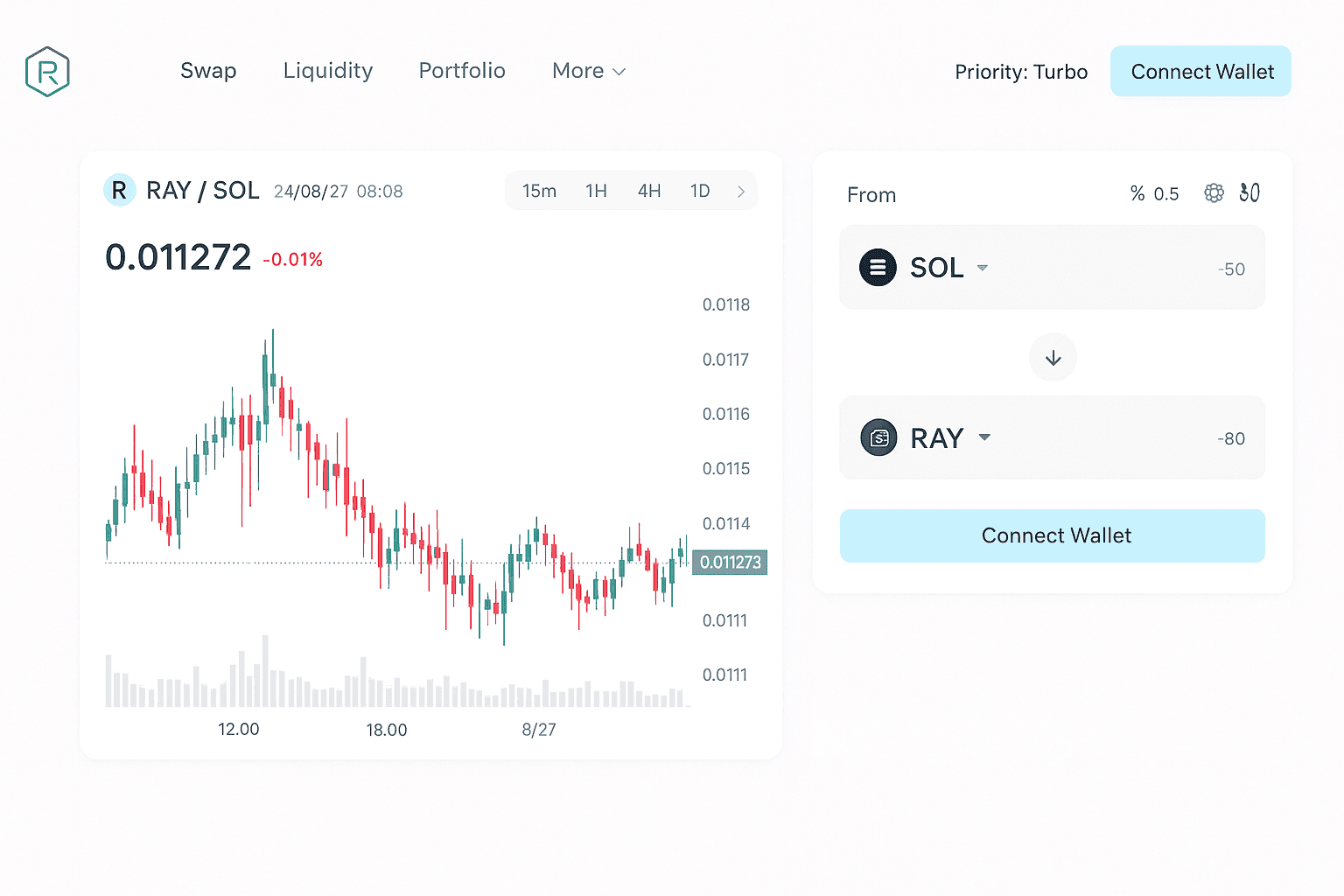
Raydium remains the dominant liquidity hub for spot trading. Its integration with Serum’s legacy order book structure allows for rapid arbitrage between centralized and decentralized venues. While Jupiter is the primary aggregator, Raydium’s concentrated liquidity pools on the Raydium CPMM (Concentrated Position Market Maker) offer the tightest spreads for stablecoin pairs and major volatile assets like SOL/USDC.
Kamino Finance has emerged as a critical infrastructure layer, particularly for strategies involving leverage or yield-bearing assets. As the largest single DeFi protocol on Solana by TVL, Kamino’s lending markets hold significant capital. Its integrated DEX functionality allows for seamless swaps within lending positions, reducing the need for multi-step transactions that increase latency risk. For HFTs leveraging capital efficiency, Kamino’s isolated markets provide a controlled environment for high-volume rotation.
| DEX | Primary Use Case | Liquidity Depth | Latency Profile |
|---|---|---|---|
| Raydium | Spot Arbitrage, CPMM Swaps | Very High | Low (Native Integration) |
| Jupiter | Aggregation, Route Optimization | Highest (Across DEXs) | Low (Smart Routing) |
| Kamino | Leverage, Yield Rotation | High (Lending Pools) | Medium (Complex TXs) |
| Orca | Whirlpools (Concentrated) | Medium-High | Low |
When selecting a venue, prioritize the underlying liquidity pool structure over brand recognition. A DEX with high TVL but fragmented liquidity will suffer from higher slippage during rapid price movements. Focus on pools with high utilization rates and low fee tiers to maximize the profitability of micro-trades.
Building the Execution Bot
A Solana HFT bot is less of a single program and more of a distributed system fighting for block space. In 2026, the gap between a research-grade script and a production-ready engine is defined by how you handle the Yellowstone upgrade and Jito’s auction mechanics. The software stack must prioritize low-latency networking, direct RPC connectivity, and efficient transaction serialization.
1. The Core Engine: Rust and Serialization
The execution logic lives in Rust. This isn’t just about speed; it’s about memory safety and predictable garbage collection pauses during high-throughput periods. You’ll need custom serialization for your transaction payloads to minimize byte size before hitting the wire. Every byte saved in the transaction envelope translates to a fraction of a block time advantage.
2. Network Topology: RPC and Validators
Standard public RPCs are useless for HFT. You need a dedicated RPC node co-located with the validator you are submitting to, or a premium enterprise endpoint with guaranteed slot availability. The goal is to bypass the mempool entirely by sending transactions directly to the leader. Use tools like Helius or Shyft for reliable blockstreams, but understand that for true low latency, you often need your own infrastructure or a direct partnership with a validator.
3. Blockspace Acquisition: Jito Bundles
You cannot rely on standard priority fees in a competitive HFT environment. Instead, your bot must construct Jito bundles. These bundles bundle your transaction with a tip to the block builder. The bot needs to dynamically calculate the optimal tip based on current auction prices, which fluctuate every slot. If your bot doesn’t handle bundle construction natively, you are already behind.
4. Monitoring and Alerting
Latency is invisible until it costs you money. Implement internal metrics for every stage: signal generation, serialization, network transmission, and on-chain confirmation. Use a dashboard to track your average slippage and fill rate against the benchmark. If your confirmation time spikes above 500ms, the system should automatically throttle or pause trading.
Map out the data flow from market data ingestion to transaction submission. Identify single points of failure and plan for redundant RPC connections.
Write the core trading logic in Rust. Focus on efficient memory management and fast serialization. Use libraries like borsh for compact transaction structures.
Connect your bot to a low-latency RPC provider. Implement the Jito SDK to construct and submit bundles with dynamic tipping algorithms.
Run the bot in a testnet environment first. Once live, monitor latency metrics closely. Adjust your infrastructure based on real-world performance data.
The infrastructure war is won by those who reduce friction at every layer. Whether you are trading on Kamino, which currently holds the largest TVL among Solana DeFi protocols, or chasing meme-coin volatility, your edge comes from your stack’s reliability, not just your strategy.
HFT Profitability and Legality
The reality of high-frequency trading on Solana in 2026 is defined by thin margins and infrastructure costs. While the speed of Yellowstone and the efficiency of Jito allow for rapid execution, the profit per trade is often mere fractions of a cent. Success relies on volume and low-latency architecture rather than large directional bets. If your infrastructure isn't optimized for block-by-block execution, you are likely losing money to slippage and MEV.
Regulatory clarity remains a moving target. HFT itself is not illegal, but the methods used to extract value—such as sandwich attacks or front-running—can cross into legal gray areas depending on jurisdiction. Traders must ensure their bots comply with local securities laws, especially when interacting with centralized exchanges or tokenized securities. The line between legitimate arbitrage and market manipulation is thinner than it appears.
No comments yet. Be the first to share your thoughts!