Why latency defines your edge
In Solana high-frequency trading, infrastructure speed is the primary determinant of profitability. While strategy complexity matters, it cannot compensate for slow execution. A sophisticated arbitrage algorithm is useless if it arrives at the block queue after the opportunity has vanished. Your edge is defined by how quickly you can react, not just what you see.
Sub-4 ms latency is the benchmark for competitive HFT nodes on Solana. This tight window separates profitable operations from missed opportunities. To achieve this, you need more than a standard RPC provider. You require dedicated RPC access and validator-level infrastructure that minimizes network hops. This reduces the time between signal generation and transaction submission.
The difference between a standard node and an HFT-optimized node is the difference between watching the market and trading it. Dedicated infrastructure ensures your transactions hit the validator’s block engine before others. This latency advantage allows you to capture small price changes and market inefficiencies that slower traders miss.
Choosing the Right Node Architecture
Selecting the infrastructure layer for Solana high-frequency trading requires balancing latency, cost, and control. Your choice dictates how quickly you can react to on-chain events and whether you can sustain the transaction volume required for profitable strategies. The architecture you pick determines if you are chasing alpha or just watching it slip away.
Dedicated RPC Providers
Dedicated RPC services offer the lowest barrier to entry for HFT operations. Providers like RPC Fast and Dysnix supply optimized endpoints designed specifically for algorithmic trading, offering sub-100ms latency without the operational overhead of maintaining hardware. These services typically include WebSockets for real-time slot notifications and priority fee management, which are essential for navigating Solana’s congestion. While convenient, you are still reliant on the provider’s network path to the validator network, introducing a variable layer of latency that can be critical in tight arbitrage windows.
Validator-Level Access
For firms requiring the absolute lowest latency, direct access to the validator network is the standard. This involves running your own validator or leasing co-location space within the data centers where major Solana validators operate. By minimizing the physical distance between your trading engine and the block producer, you can reduce latency to single-digit milliseconds. This approach offers superior control over transaction ordering and allows for custom RPC instances, but it demands significant engineering resources to manage the validator infrastructure and ensure high availability during network upgrades.
Bare-Metal Setups
Bare-metal configurations provide the highest level of control and performance predictability. By running your own RPC nodes on dedicated hardware, you eliminate the "noisy neighbor" problem inherent in shared cloud environments. This setup allows for kernel-level tuning, such as disabling CPU frequency scaling and optimizing network stack parameters, to squeeze out every microsecond. However, it requires substantial upfront capital expenditure and a dedicated DevOps team to handle node synchronization, storage management, and hardware failures. It is the most complex option but often necessary for firms executing thousands of transactions per second.
| Feature | Dedicated RPC | Validator-Level | Bare-Metal |
|---|---|---|---|
| Latency | ~50-100ms | <10ms | <10ms |
| Setup Complexity | Low | High | Very High |
| Cost | $500-$2k/mo | $5k-$20k+/mo | $3k-$10k/mo |
| Control | Low | High | Full |
Market Context
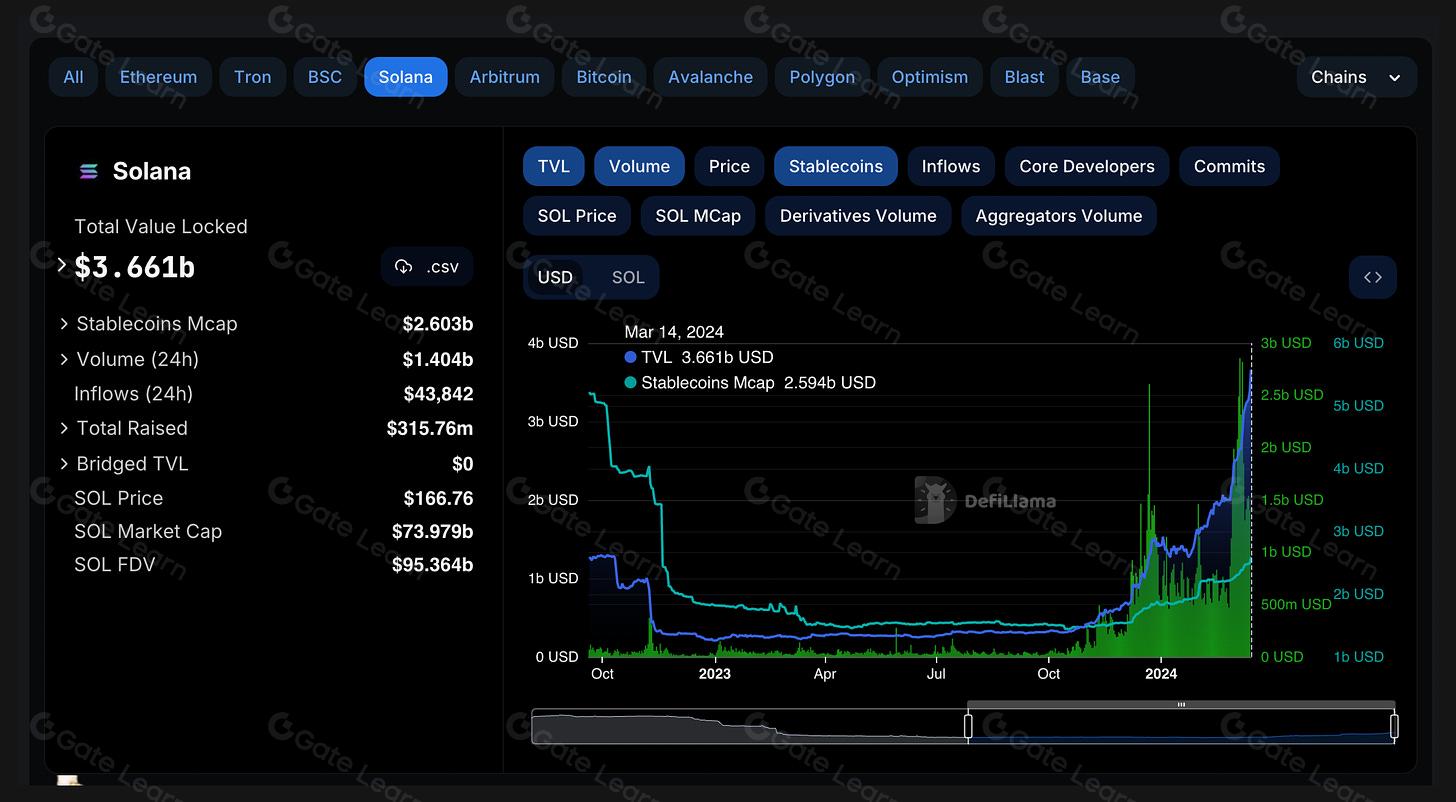
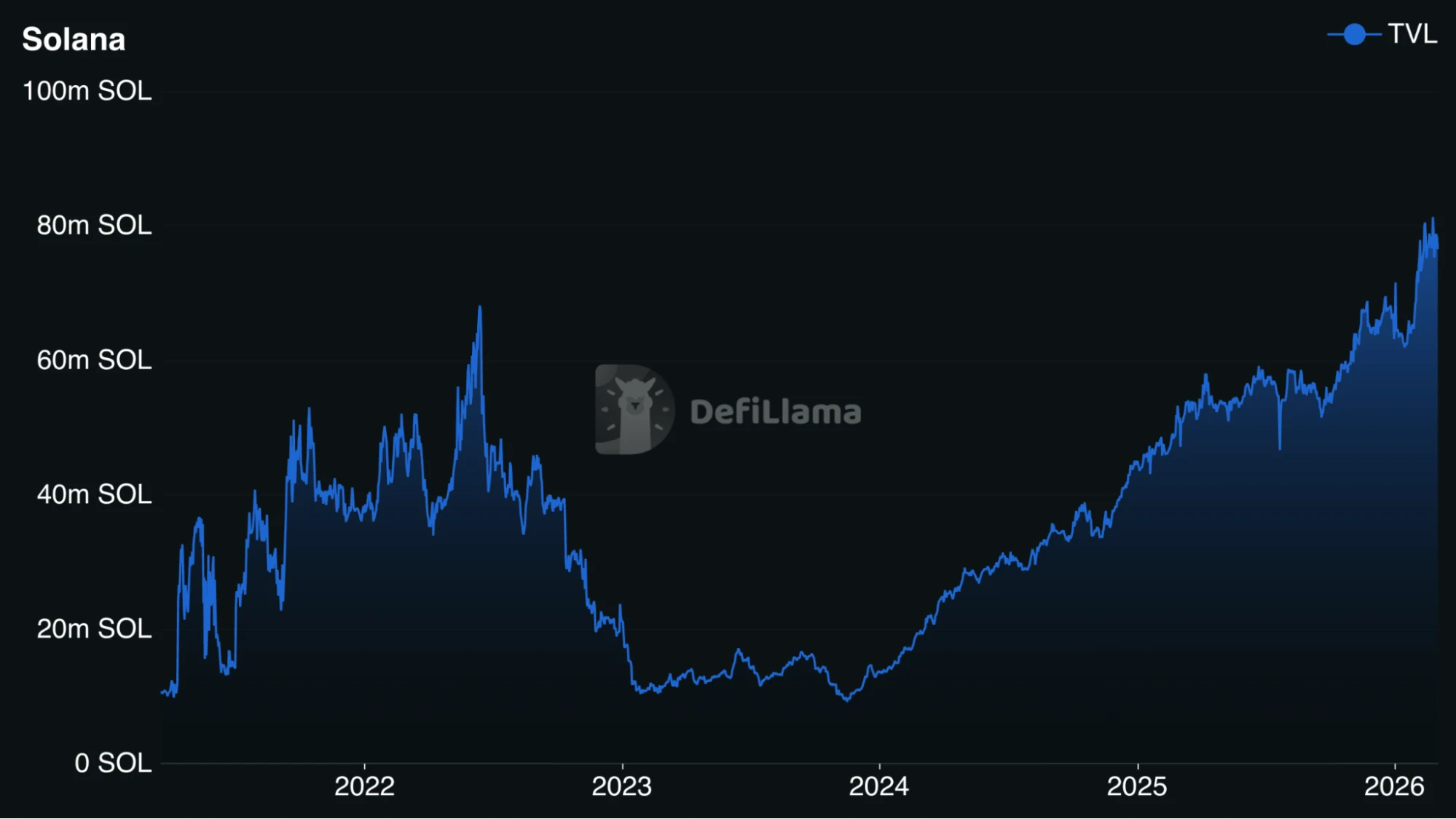
The performance of your infrastructure is directly tied to the volatility and activity of the Solana network. Understanding the current market state helps in sizing your infrastructure needs.
When the network is congested, the difference between a dedicated RPC and a validator-level node becomes the deciding factor in trade execution. For most serious HFT operations, the jump to validator-level or bare-metal access is justified by the reduction in slippage and the ability to capture fleeting arbitrage opportunities that disappear in milliseconds.
Optimizing transaction routing
Use this section to make the Building Solana High-Frequency DeFi Trading Infrastructure decision easier to compare in real life, not just on paper. Start with the reader's actual constraint, then separate must-have requirements from details that are merely nice to have. A practical choice should survive normal use, maintenance, timing, and budget. If a recommendation only works in an ideal situation, call that out plainly and give the reader a fallback path.
-
Verify the basicsConfirm the core specs, condition, and fit before comparing extras.
-
Price the downsideLook for the repair, maintenance, or replacement cost that would change the decision.
-
Compare alternativesCheck at least two comparable options before treating one listing as the benchmark.
Selecting execution tools and platforms
Building a Solana HFT infrastructure requires more than just capital; it demands a stack that prioritizes deterministic latency and reliability. You are no longer trading against the public mempool but against other desks with co-located nodes. The software tools you select must handle high-throughput transaction submission without dropping packets during network congestion.
Start with your node architecture. A dedicated, high-performance validator node is non-negotiable for sub-100-millisecond latency. You need direct RPC access to bypass public rate limits and ensure your transaction signatures are processed at the edge of the network. Pair this with a robust execution framework like Firedancer or a customized version of Solana’s client, optimized for your specific trading strategy. The goal is to minimize the time between signal generation and block inclusion.
For the actual trading execution, you need platforms that support advanced order types and fast fill rates. Tools like Jupiter’s Aggregator are essential for routing liquidity efficiently, but for HFT, you likely need direct interaction with AMM contracts or specialized limit order books. Ensure your execution layer can handle concurrent transactions and manage slippage tolerance dynamically. This is where the real edge is found—reducing the friction between decision and execution.


As an Amazon Associate, we may earn from qualifying purchases.
Finally, monitor your performance with real-time data. Use provider-backed widgets to track Solana’s network health and your own transaction success rates. A single dropped connection can mean lost opportunities or significant financial loss. Your stack must be as resilient as it is fast. Consider using a dedicated internet connection with multiple failovers to ensure your node stays online regardless of local network issues. This infrastructure is the backbone of your strategy; treat it with the same rigor as your trading algorithms.
Monitoring performance and risks
Your infrastructure is only as good as its ability to handle failure. In high-frequency trading, a dropped packet or a latency spike isn't an inconvenience; it's a direct loss of alpha. Monitoring isn't just about watching charts—it's about watching the pipes that carry your orders. If you can't see the micro-frictions in your stack, you can't fix them before they cost you money.
Don't rely on average latency. It hides the tail risks. Monitor the 99th percentile (p99) and 99.9th percentile (p999) latency to your primary RPC provider. Solana's Shared Window Queue (SWQoS) metrics are critical here; if you see your transaction priority fees consistently rising without a corresponding increase in block space demand, your node is likely hitting congestion limits. Set alerts for p99 latency exceeding 500ms, as this often indicates RPC provider throttling or network-level congestion.
Success rate is your most honest health metric. Track the percentage of transactions that land in a block versus those that timeout or fail due to insufficient priority fees. A sudden drop in success rate, even if latency looks normal, signals that your strategy's fee bidding model is outdated. Compare your success rate against the network average. If your rate falls below 95% during high volatility, you need to adjust your fee strategy or switch to a premium RPC endpoint.
Uptime is binary, but connection stability is nuanced. Monitor WebSocket disconnects and reconnection times. Frequent drops indicate network instability or RPC provider issues. If you're running a validator or a high-performance node, check the block production rate and skip rate. A high skip rate means your node is failing to keep up with the network's pace, which can lead to missed trading opportunities. Ensure your monitoring stack can distinguish between a node crash and a temporary network blip.
Failure modes in HFT are rarely catastrophic all at once; they are usually a series of small degradations that compound. By monitoring these specific metrics, you turn uncertainty into a manageable variable. Your goal is to detect the degradation before your traders feel it.
Frequently asked: what to check next
What is DeFi infrastructure in Solana?
DeFi infrastructure on Solana consists of the high-performance nodes, RPC endpoints, and smart contract architectures that enable decentralized lending, borrowing, and trading. Unlike traditional finance, these systems operate without intermediaries, relying on Solana’s low fees and near-instant settlement to provide efficient financial access. Building robust infrastructure here requires managing high throughput and ensuring node reliability to support complex financial applications.
Are HFT bots profitable on Solana?
High-frequency trading bots can be profitable by exploiting small price inefficiencies across decentralized exchanges. They execute thousands of trades daily, capitalizing on micro-disparities in liquidity pools. Success depends on ultra-low latency connections to validator nodes and sophisticated arbitrage algorithms that can react to market changes in milliseconds before the opportunity vanishes.
Is Solana an Ethereum killer?
Solana is not designed to replace Ethereum but rather to offer a high-throughput alternative for applications requiring speed and low cost. While Ethereum focuses on security and decentralization through layer-2 scaling, Solana prioritizes raw performance and scalability. The ecosystem competes for developer mindshare by providing a different technical trade-off, appealing to projects where transaction volume and cost are primary constraints.
Could Solana hit $10,000?
Predicting specific price targets like $10,000 involves significant speculation and depends on broader market conditions, adoption rates, and network stability. Historical performance and current market sentiment suggest high volatility. Traders should monitor on-chain metrics and macroeconomic factors rather than relying on fixed price predictions.
No comments yet. Be the first to share your thoughts!