Why Solana Fits High-Frequency Trading
High-frequency trading (HFT) lives and dies by latency and cost. On most EVM chains, the math doesn't work for HFT: block times are too slow, and gas fees eat away at thin margins. Solana changes that equation by treating the blockchain like a high-speed execution venue rather than a settlement layer.
The primary advantage is speed. Solana’s Proof of History (PoH) clock allows nodes to timestamp transactions before they are even validated, creating a deterministic order of events. This results in sub-second finality. For an HFT strategy relying on arbitrage or market-making, waiting for block confirmations is a fatal delay. Solana’s ~400ms block times mean opportunities are captured almost instantly, not seconds later.
Cost is the second pillar. HFT strategies often involve hundreds of small transactions per minute. On Ethereum, gas fees can spike unpredictably, turning a profitable micro-trade into a loss. Solana’s transaction costs are fractions of a cent. This low cost structure allows traders to deploy sophisticated algorithms that execute thousands of operations without the overhead that makes similar strategies unviable on other chains.
This infrastructure creates a unique environment for Solana HFT. It’s not just about being "fast"; it’s about the predictability of execution. When latency is consistent and fees are negligible, algorithmic strategies can operate with a precision that simply isn't possible on congested EVM networks. This technical foundation is what makes Solana the preferred chain for modern, high-speed DeFi trading.
Core Infrastructure for Sub-Second Execution
High-frequency trading on Solana isn't just about writing fast code; it's about building a specialized infrastructure stack that bypasses the public network's inherent bottlenecks. To achieve the sub-second execution required for profitable arbitrage and market making, you need to isolate your trading logic from the noisy, congested public mempool and connect directly to the fastest possible execution paths.
RPC Nodes and Private Mempools
Standard public RPC endpoints are too slow and unpredictable for HFT. Latency spikes during high network activity can cause your transactions to fail or execute at unfavorable prices. Instead, you need a dedicated RPC node or a premium provider that offers private transaction submission. This allows your bots to send transactions directly to validators, bypassing the public mempool where front-running bots (MEV bots) typically scan for opportunities.
By using a private mempool, you gain two critical advantages: stealth and speed. Your trades remain hidden from public view until they are confirmed, reducing the risk of being front-run. Additionally, private submission often prioritizes your transactions, ensuring they are processed in the next block rather than waiting in a queue. Services like MagicBlock offer ephemeral rollups that deliver sub-50ms latency, effectively giving you CEX-level speed on-chain [[src-serp-4]].
Jito Bundles and Block Engines
The final piece of the infrastructure puzzle is the execution engine. Solana's native block production can be slow for complex transactions. Jito, a decentralized searcher-builder-validator network, allows you to bundle your transactions with tips to validators. This "Jito bundle" ensures that your trades are included in the next block with high certainty, provided the tip is competitive.
Jito bundles also enable atomic transactions, meaning your entire strategy (e.g., swap A, then swap B) either succeeds completely or fails entirely, preventing partial fills that could leave you exposed to risk. For HFT, this reliability is non-negotiable. The combination of private RPCs, private mempools, and Jito bundles creates a low-latency pipeline that is essential for competing in Solana's high-speed DeFi ecosystem.
Essential Tools for Latency Arbitrage
Building a Solana HFT bot requires more than just a good strategy; it demands infrastructure optimized for sub-second execution. The margin for error is thin, and the tools you choose directly dictate your speed, reliability, and cost structure. Below is a breakdown of the primary software and hardware components used by developers to compete in this high-stakes environment.
Core Infrastructure Comparison
Selecting the right stack involves balancing raw latency against development complexity. The table below compares the most common approaches used in Solana HFT.
| Tool Type | Latency Profile | Setup Complexity | Est. Monthly Cost |
|---|---|---|---|
| Warp Core / RPC Nodes | Ultra-low (Sub-ms) | High | $500 - $2,000+ |
| Private Validator | Lowest (Direct) | Very High | $5,000+ |
| Standard Public RPC | High (100ms+) | Low | Free - $50 |
| Local Node (Self-Hosted) | Medium-Low | High | $100 - $300 |
Software Libraries
Most developers build on top of established SDKs. The @solana/web3.js library remains the standard for interaction, but for HFT, many switch to Rust-based clients like solana-client or specialized libraries like warp for faster JSON-RPC handling. These libraries reduce the overhead of serialization and deserialization, which is critical when executing thousands of transactions per second.
Hardware Considerations
While software optimization is paramount, hardware plays a supporting role. Running a local validator or a high-performance RPC node requires significant CPU and RAM. For bots that rely on local simulation or advanced memory management, servers with high single-core performance are preferred over multi-core setups, as Solana transaction processing is largely single-threaded at the application level.



As an Amazon Associate, we may earn from qualifying purchases.
Network Optimization
Geographic proximity to Solana validator nodes is a significant factor. Many HFT operators rent servers in data centers located near major Solana validator clusters, such as those in Tokyo, New York, or Frankfurt. This physical distance reduction minimizes the time it takes for a transaction to reach the network, providing a measurable edge over competitors using distant cloud instances.
Best DeFi Protocols for Solana HFT
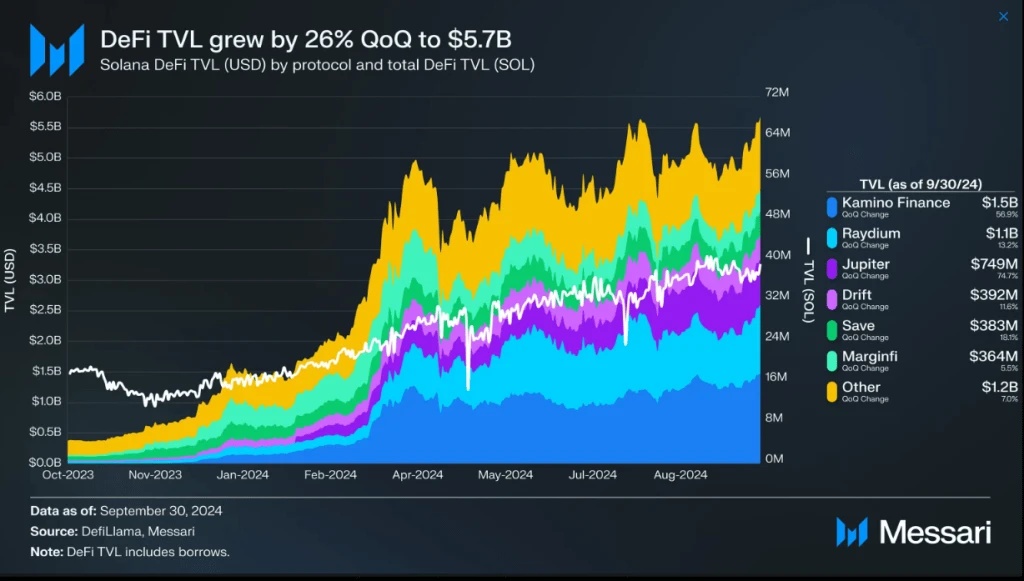
High-frequency trading on Solana relies less on abstract strategy and more on infrastructure depth. You need venues where order books are deep enough to absorb rapid volume without catastrophic slippage, and where transaction finality is near-instant. The following protocols dominate this space because their architecture aligns with the speed and cost constraints of HFT.
Raydium: The Liquidity Anchor
Raydium remains the primary liquidity hub for Solana, particularly for tokens launched on the Solana Program Library (SPL). Its integration with Serum’s old order book structure (now migrated to OpenBook) allows for hybrid AMM/order book mechanics. For HFT, this means you can execute arbitrage between the AMM pool and the order book with minimal latency. The sheer volume here ensures that market-making strategies can maintain tight spreads without draining liquidity too quickly.
Orca: Efficient Whirlpools
Orca’s Concentrated Liquidity (CLAMM) model, called Whirlpools, is a structural advantage for HFT. By allowing liquidity to be concentrated in specific price ranges, Orca provides higher capital efficiency than standard AMMs. This means your capital works harder, and you can capture more spread per transaction. For market makers, this reduces the capital required to maintain competitive quotes. For arbitrageurs, the tight price bounds create frequent, small inefficiencies that are ideal for high-frequency capture.
Jupiter: The Aggregation Layer
Jupiter is not just a DEX; it is the essential routing layer for Solana HFT. It aggregates liquidity across Raydium, Orca, Meteora, and others to find the best price. For an HFT bot, calling Jupiter’s API is often more efficient than querying individual DEXs. It automatically splits orders to minimize slippage and finds arbitrage paths that span multiple protocols. If you are building a trading bot, Jupiter’s V6 API is the standard interface for executing trades with optimal fill rates.
Risk Management in On-Chain HFT
Running high-frequency trading bots on Solana requires a fundamentally different risk posture than traditional equity markets. The speed of the network amplifies every vulnerability, turning minor logic errors into significant capital losses within milliseconds. You must treat your infrastructure not just as a trading engine, but as a defensive perimeter against both market and technical failures.
MEV and Front-Running
Solana’s transaction ordering mechanism is susceptible to Miner Extractable Value (MEV) attacks, where validators or searchers reorder transactions for profit. While Solana’s proof-of-history reduces some latency arbitrage, it does not eliminate front-running. Your bots must implement private transaction channels or use encrypted mempools to hide order intent until execution. Without this, your strategies are essentially broadcasted to competitors before they fill.
Smart Contract Vulnerabilities
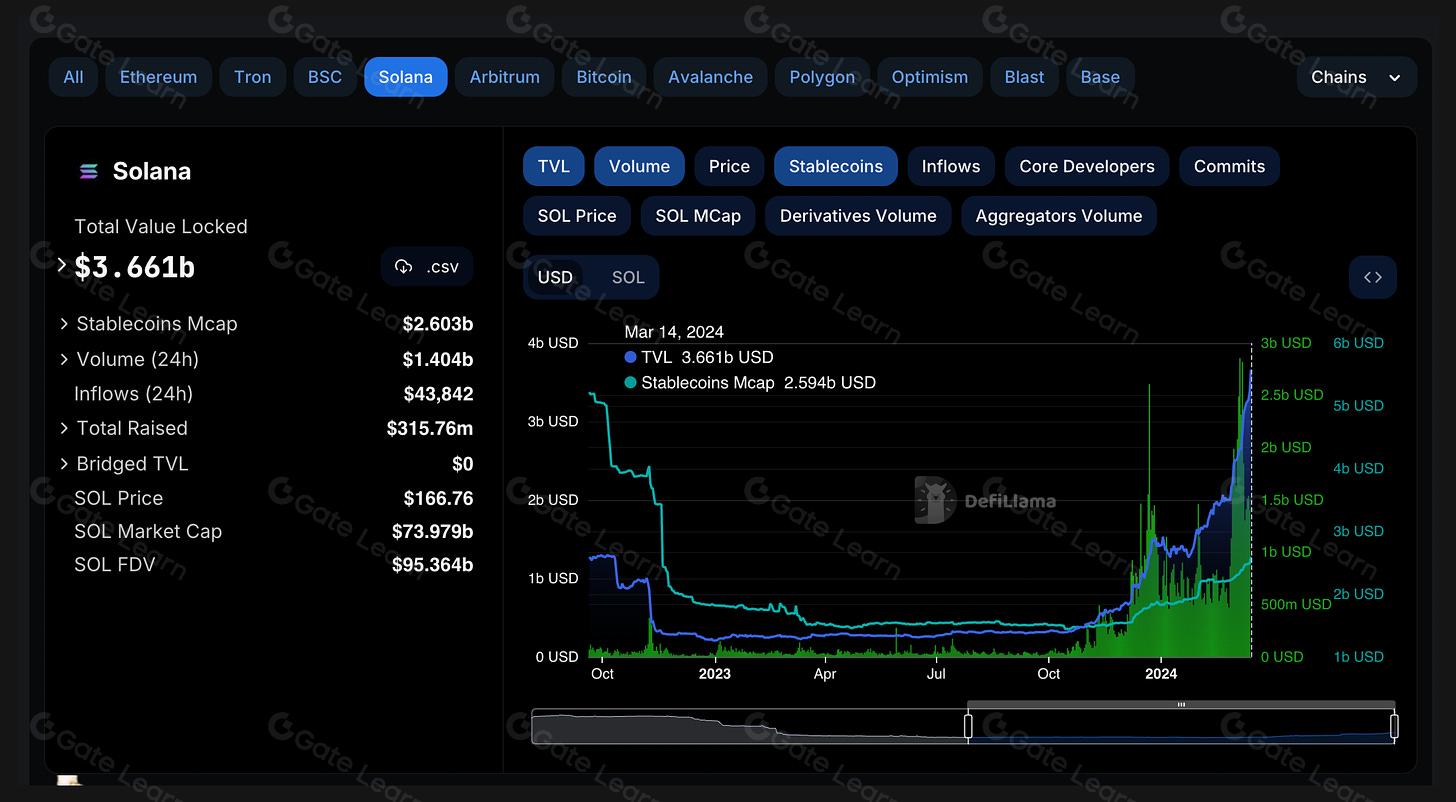
Interacting with volatile DeFi protocols introduces smart contract risk. A single exploit in a liquidity pool or oracle can drain your position instantly. Always audit the contracts your bot interacts with, and prefer established, time-tested protocols over new launches. Implement circuit breakers that halt trading if a protocol’s TVL drops sharply or if unusual transaction patterns are detected.
Network Congestion and Latency
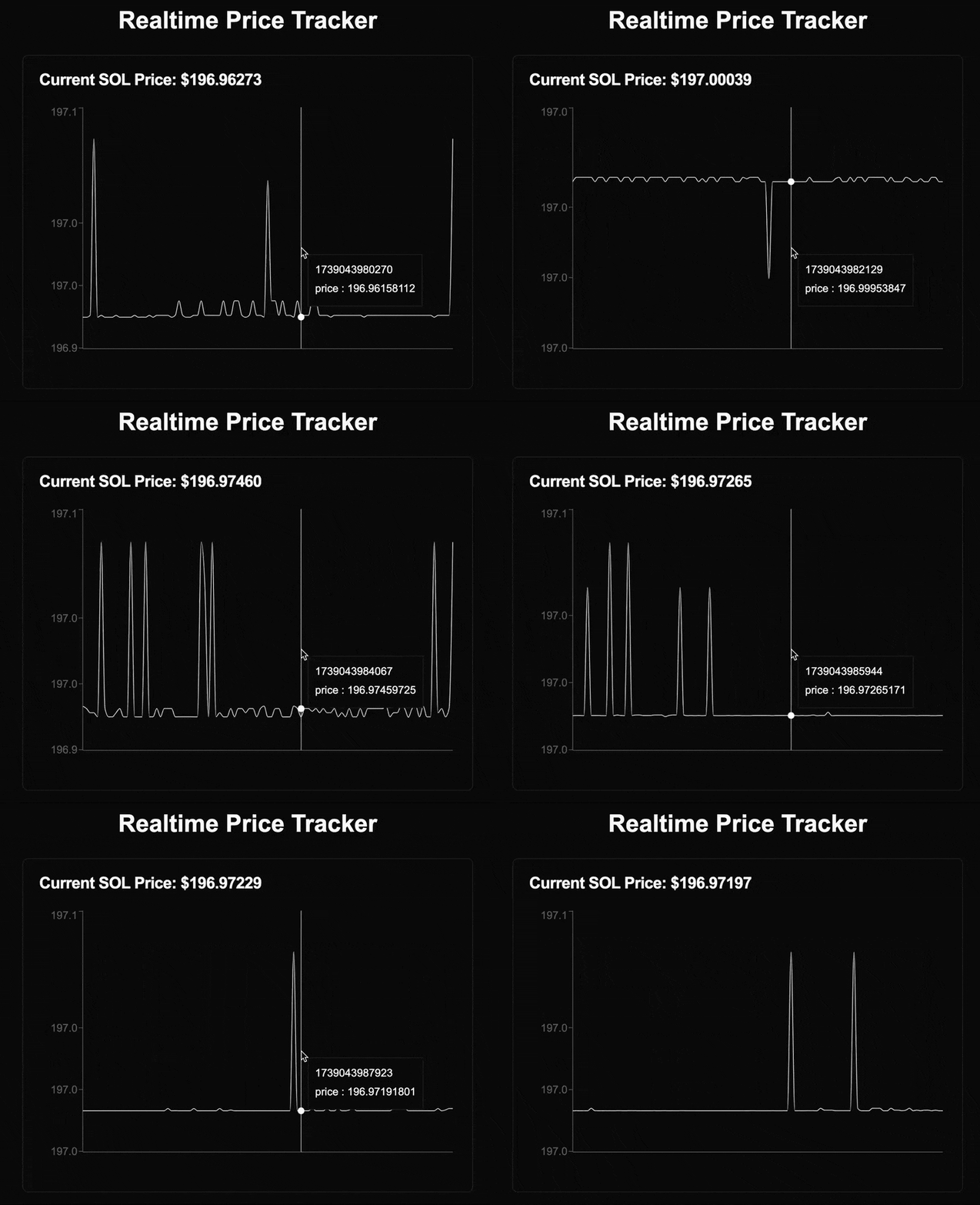
Solana’s performance can degrade during peak congestion, leading to high transaction failure rates and increased latency. This variability can cause your HFT bot to miss entries or fail to exit positions in time. Monitor network health metrics in real-time and adjust your transaction priority fees dynamically. If the network is congested, your bot should reduce position sizes or pause trading entirely to avoid costly failed transactions.
Building Your First Solana HFT Bot
Before writing a single line of code, you need a production-grade environment. Solana’s high throughput demands precision; a misconfigured RPC node or a laggy connection will leave you behind the block times. Start by securing a dedicated, high-performance RPC endpoint. Public endpoints are insufficient for HFT because they throttle requests and lack the low-latency guarantees required for arbitrage or market-making strategies. Consider using services like Helius, QuickNode, or Triton, which offer optimized routing and priority fee support.
Once your infrastructure is stable, focus on the core development stack. You will need a language that offers minimal latency—Rust is the standard for on-chain programs, while Go or C++ are common for off-chain bots due to their speed. Ensure your bot can connect to the Solana JSON-RPC API efficiently, handling WebSocket streams for real-time block updates. You’ll also need to implement robust error handling for transaction failures, as network congestion can cause frequent drops.
Finally, test rigorously in a simulated environment. Use the Solana Devnet or Testnet to deploy your bot and execute trades without risking real capital. Monitor your latency metrics, transaction success rates, and slippage. Only after passing these checks should you consider deploying to Mainnet Beta with small position sizes. Remember, Solana’s speed is an advantage, but it also means mistakes are executed instantly and irreversibly.
Public RPCs are too slow. Subscribe to a premium provider like Helius or Triton for low-latency, high-throughput access to the Solana network. This is your foundation.
Use Rust for on-chain programs and Go or C++ for off-chain execution logic. Avoid interpreted languages like Python for the core trading loop to minimize jitter.

Connect to the Solana cluster via WebSocket to receive real-time block updates. Polling is too slow for HFT; you need instant notification of new slots.
Deploy your bot to a test environment first. Validate transaction submission, priority fee handling, and error recovery without risking mainnet capital.
No comments yet. Be the first to share your thoughts!