Why latency defines your edge
In Solana high-frequency trading, your code logic is only as good as the network path it travels. You can have the most sophisticated arbitrage algorithm in the world, but if it takes 200 milliseconds to reach the mempool, you are already trading against ghosts. Latency isn't just a technical metric; it is your primary competitive moat. On a chain that processes blocks in 400 milliseconds, a 50-millisecond delay can mean the difference between capturing a spread and becoming liquidity for someone else.
The Solana network introduces unique infrastructure challenges that don't exist in traditional finance. Transaction ordering, block construction, and validator geography all play roles in who gets their trades confirmed first. This is why top-tier HFT firms don't just optimize their smart contracts; they obsess over their physical proximity to validators. Co-locating servers in the same data centers as Solana validators reduces the physical distance packets must travel, shaving off critical milliseconds.
Achieving sub-50ms latency is no longer a luxury—it is the baseline for competitive HFT. As noted by industry practitioners, building infrastructure that "actually performs" requires more than just fast code; it demands a deep understanding of the network's inner workings, from RPC node selection to transaction prioritization fees. If your infrastructure is slow, your strategy is irrelevant.
The difference between a profitable HFT desk and a losing one often comes down to these tiny time increments. While retail traders might focus on which tokens to buy, HFT firms focus on which RPC endpoints have the lowest jitter and how to bypass network congestion. In this environment, speed is the only strategy that matters consistently.
Setting up the right node infrastructure
Running a competitive Solana high-frequency trading (HFT) operation starts before you write a single line of trading logic. It begins with the node that feeds your strategy. Standard public RPC endpoints are useless for HFT; they are too slow, too throttled, and too unreliable. You need infrastructure that minimizes latency at every hop, from the blockchain ledger to your execution engine.
Hardware and Colocation
For serious latency arbitrage, you cannot rely on cloud providers with shared tenancy. You need bare-metal servers collocated in the same data center as the Solana validators you are targeting. The goal is to reduce network jitter and physical transmission time. Most HFT firms locate their infrastructure in Tokyo (for Asian market hours) and New York (for US/European overlap), mirroring the validator distribution. If you are running a validator yourself, ensure your node is on a dedicated instance with high-bandwidth, low-latency networking. Even a few milliseconds of delay can mean the difference between a filled arbitrage opportunity and a failed transaction.
RPC Selection and Optimization
If you are not running your own validator, you must choose a specialized RPC provider. Look for providers that offer:
- Dedicated Clusters: Ensure your requests go to a node cluster that is not shared with retail users. Shared clusters suffer from variable latency during high congestion.
- Real-Time Blockchain Feeds: Standard JSON-RPC calls are too slow for HFT. You need access to real-time transaction streams (like Solana's Geyser plugins or similar real-time data feeds) to react to on-chain events faster than block finality.
- Low-Latency Endpoints: Test endpoints for response times under varying load conditions. A provider might look good at 10 requests per second but fail at 1,000.
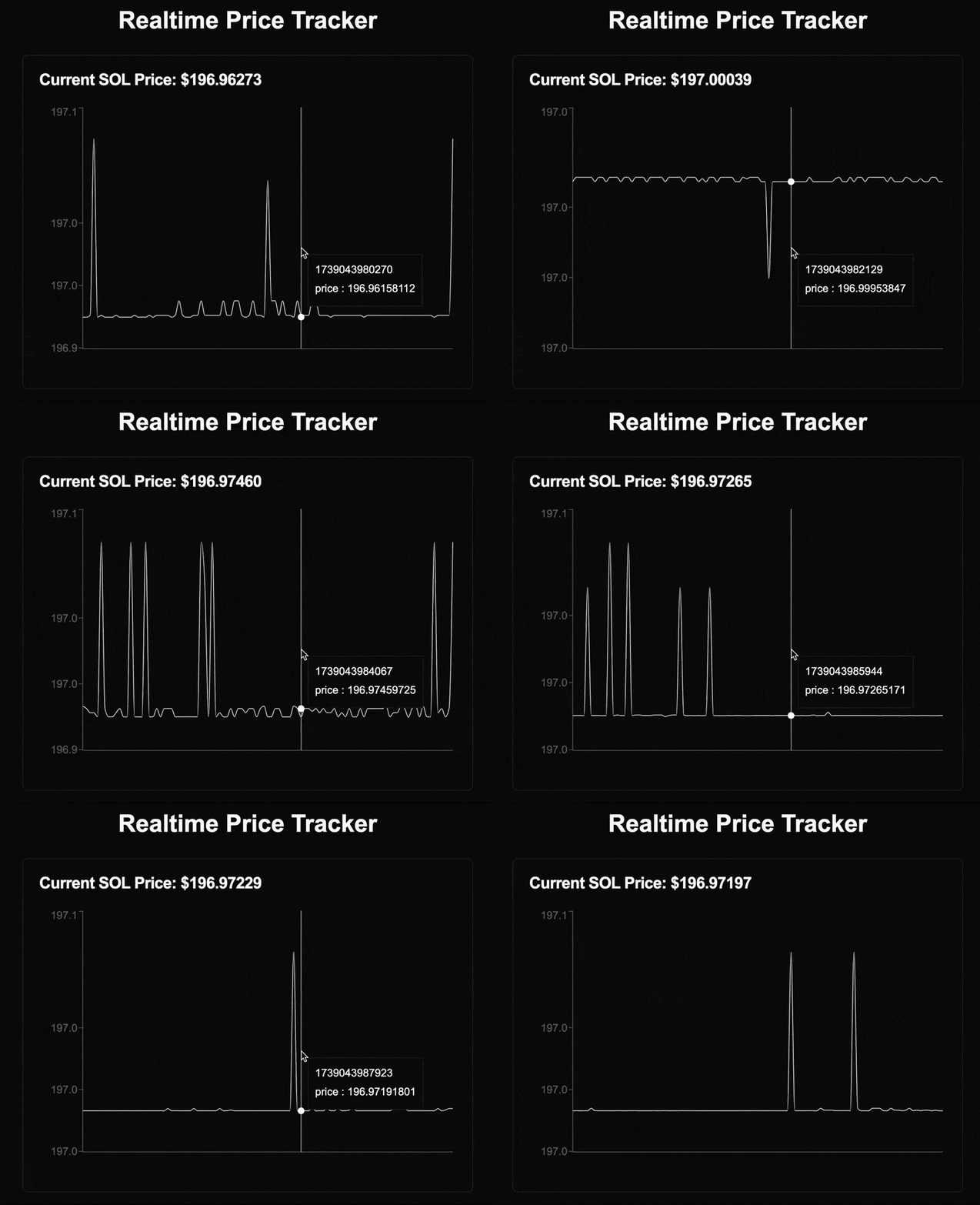
The visual above illustrates the kind of real-time data tracking required. In HFT, you are not just reacting to price; you are reacting to the state of the order book and the blockchain itself. Your infrastructure must reflect this immediacy.
Network Configuration
Optimize your operating system for network performance. Disable unnecessary services, tune TCP/IP parameters, and use kernel bypass techniques if possible (like DPDK or Solarflare OpenOnload). The difference between a standard Linux kernel and an optimized one can be several microseconds—enough to win or lose a trade in the Solana environment.
Choosing DEXs and execution tools
High-frequency trading on Solana is less about picking a chart pattern and more about picking the right plumbing. If your strategy relies on capturing small price discrepancies or executing complex arbitrage, the latency and fee structure of your chosen exchange can make or break your profit margin. You need infrastructure that keeps slippage low and transaction finality fast.
The Solana ecosystem offers several distinct layers of exchange infrastructure. Some platforms prioritize raw speed for professional bots, while others offer deeper liquidity for larger order sizes. Below is a comparison of the primary venues used in high-frequency strategies.
| Protocol | Latency Profile | Depth & Volume | HFT Fit |
|---|---|---|---|
| Jupiter | Very Low | Highest (Aggregator) | Best for routing complex swaps |
| Raydium | Low | High (AMM pools) | Good for direct pool arbitrage |
| Orca | Low-Medium | Medium (Concentrated liquidity) | Specialized for concentrated range trading |
| Phoenix | Very Low | Medium (Limit order book) | Best for limit order strategies |
Jupiter acts as the central liquidity aggregator, meaning it often provides the best execution price by splitting orders across multiple sources. For high-frequency traders, this means less slippage on larger trades, though it adds a layer of abstraction. Raydium and Orca offer direct access to Automated Market Maker (AMM) pools. Raydium is particularly useful for strategies involving liquidity pool rebalancing, while Orca’s concentrated liquidity model allows for tighter spreads in specific price ranges, which can be exploited by sophisticated bots.
Phoenix stands out as a native on-chain limit order book. Unlike the AMM models, Phoenix allows for true limit orders, which is essential for strategies that require precise entry and exit points without immediate market impact. Its low latency makes it a favorite for traders who need to manage order books directly on-chain.
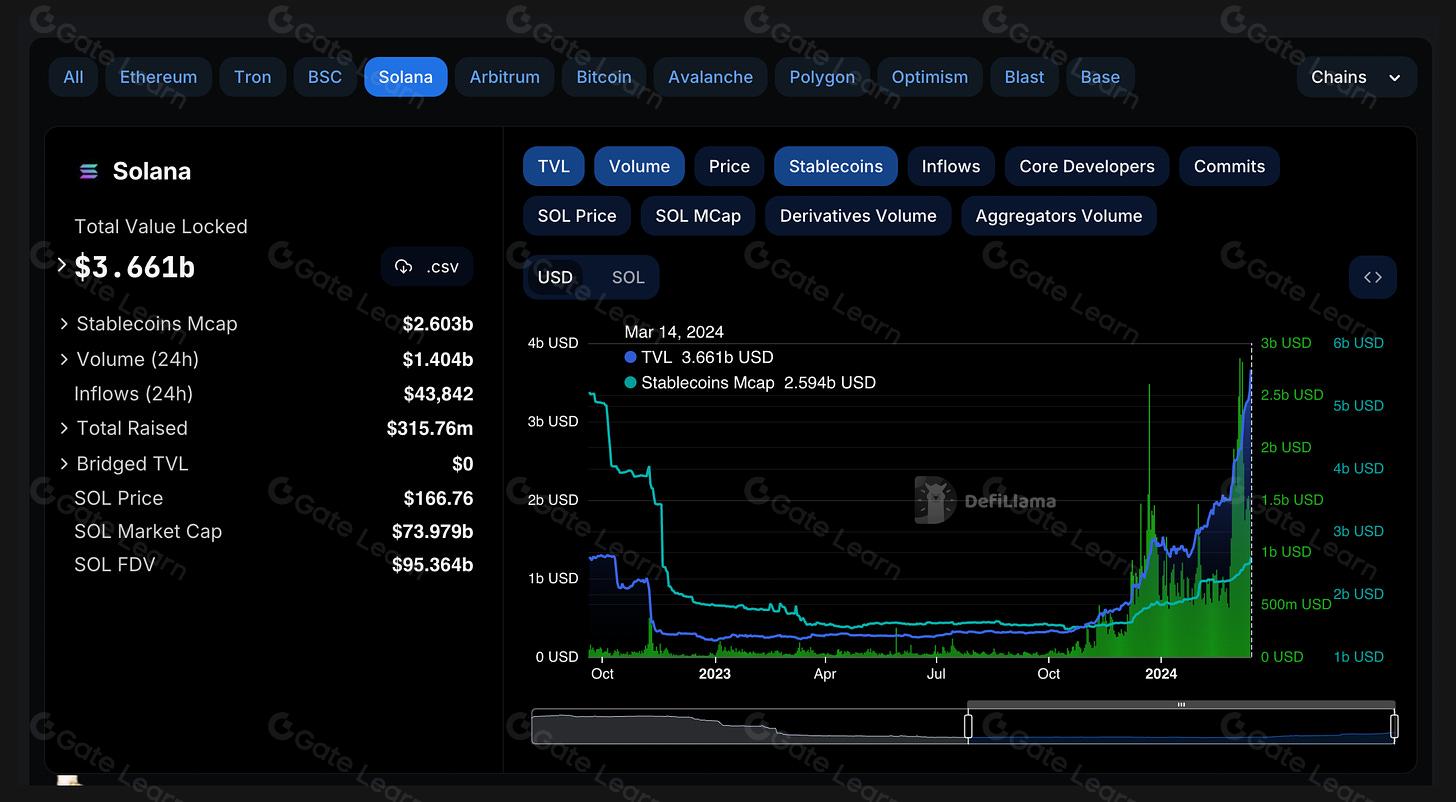
When setting up your execution environment, consider how these tools integrate with your trading bot. You will likely need to connect to multiple protocols simultaneously to capture the best opportunities. For example, you might use Jupiter for initial position entry and Phoenix for managing that position with limit orders. Understanding the trade-offs between these platforms is critical for maintaining a competitive edge.
Designing the Trading Strategy
HFT on Solana meme coins is one of the hardest environments to build. It is not enough to have low latency; you need a disciplined Solana DeFi strategy that survives the chaos. This approach structures your assets across risk-tiered strategies with predefined rebalancing rules, position limits, and exit triggers to manage volatility and protocol risk.
Before deploying capital, clarify what market inefficiency you are exploiting. Are you capturing arbitrage between Raydium and Orca? Or are you front-running large swaps via mempool visibility? Your strategy must be specific. Generic "buy low, sell high" logic fails in HFT because the latency window is measured in milliseconds, not minutes.
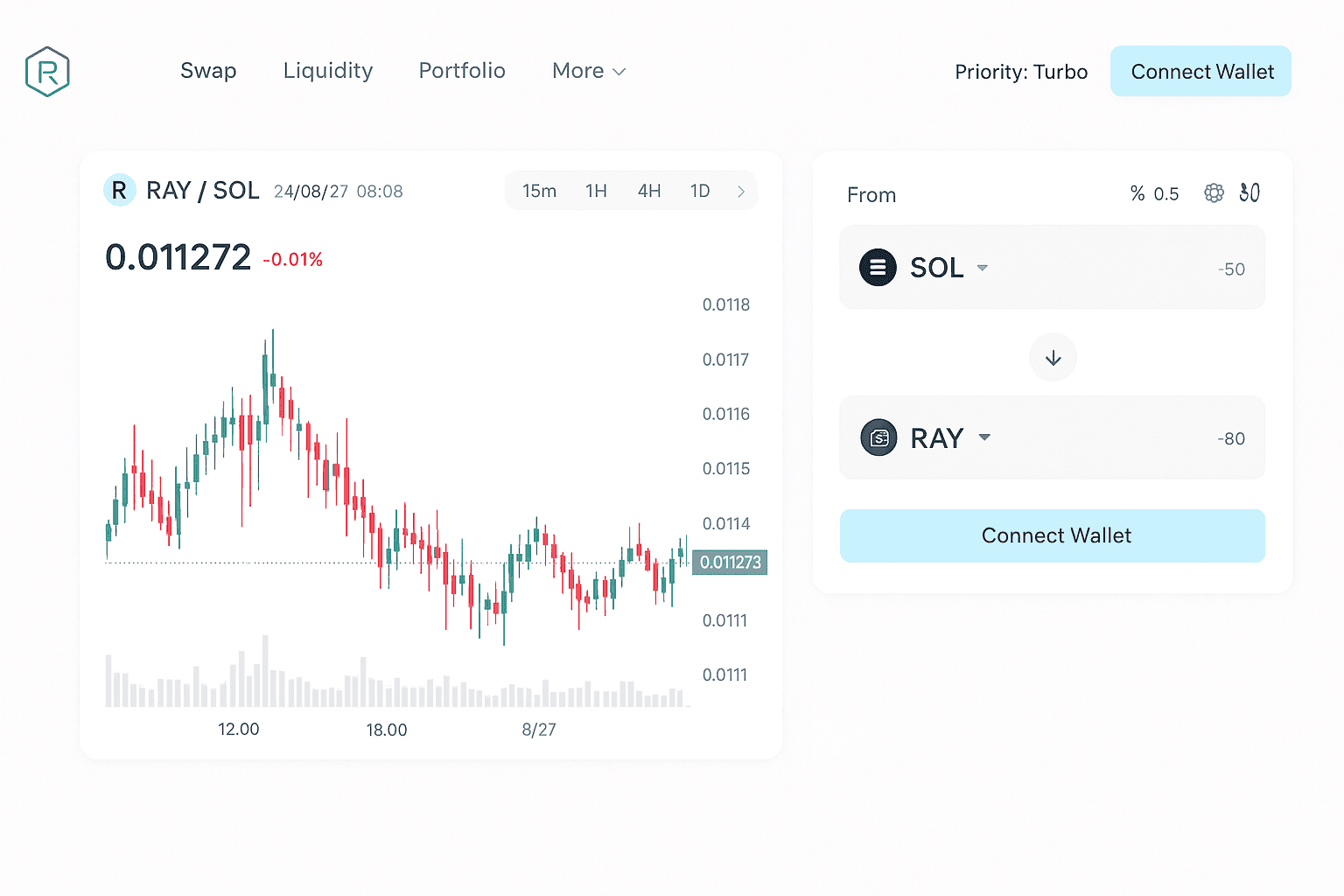
Define your maximum drawdown per trade and per day. In high-frequency trading, a single bad block can wipe out weeks of gains. Set a hard stop-loss that triggers automatically if the price drops below a certain threshold relative to the average trade price. Do not rely on manual intervention; by the time you click, the opportunity is gone.

Liquidity on Solana can vanish instantly. Your exit triggers must account for slippage and network congestion. Use trailing stops that adjust based on real-time volatility. Additionally, implement a time-based exit: if a position isn't profitable within a set number of blocks, close it to free up capital for the next opportunity.
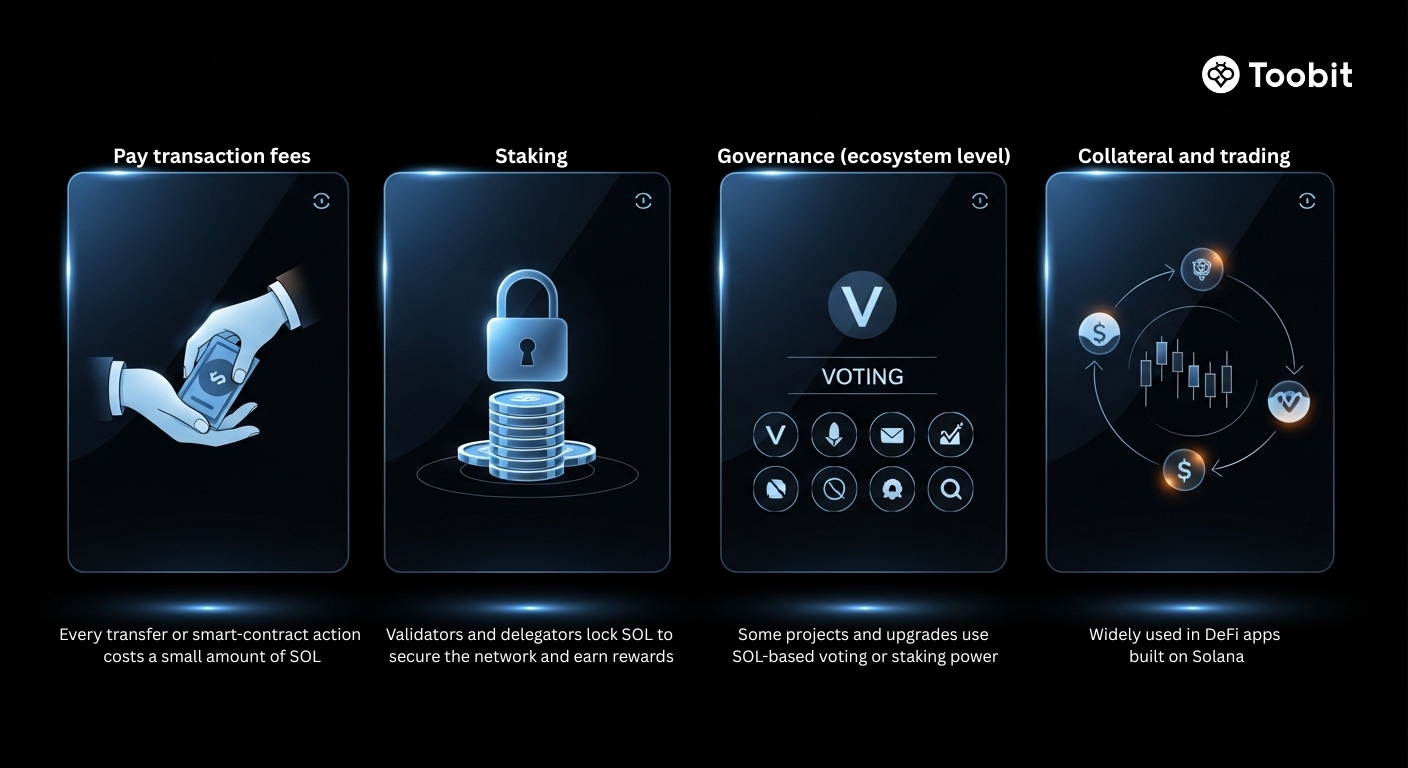
Your strategy is only as good as your node. Ensure your validator or RPC endpoint is syncing correctly and has low latency. A dropped packet during a high-frequency trade is a lost opportunity. Regularly audit your connection stability and have a backup RPC provider ready to switch to instantly if the primary fails.
A disciplined approach separates profitable bots from those that drain wallets. By focusing on specific edges, hard limits, and robust infrastructure, you can plan around the complexities of Solana DeFi trading effectively.
Common pitfalls in Solana HFT
Building a high-frequency trading bot on Solana is one of the hardest environments to navigate, as noted by experienced developers in the algotrading community. The chain’s speed is a double-edged sword; it enables low-latency execution but punishes architectural sloppiness with immediate financial loss. Many traders underestimate how quickly a minor inefficiency compounds into significant slippage or failed transactions.
Ignoring Network Congestion
Solana’s throughput is not constant. During high-activity periods, such as major NFT mints or viral token launches, the network can become congested. If your bot does not account for this, your transactions will sit in the mempool or get dropped, causing you to miss entry or exit points. You must implement dynamic priority fee adjustments to ensure your transactions are processed when it matters most.
Inadequate Transaction Retry Logic
A single failed transaction can ruin a strategy’s edge. HFT bots on Solana must have robust retry logic that distinguishes between temporary network errors and permanent failures. Simply resending the same transaction without adjusting parameters often leads to repeated failures or, worse, duplicate executions. Use Solana’s recent blockhash mechanism correctly and implement exponential backoff for transient errors.
Overlooking Memory and RPC Limits
Running multiple bots on a single RPC node is a common mistake. Most public RPC providers have strict rate limits. If your bot sends too many requests, you will be throttled, introducing latency that destroys your alpha. Use dedicated RPC providers or run your own validator node if you are serious about HFT. Monitor your API usage closely and implement circuit breakers to prevent accidental overloads.
Neglecting Slippage Tolerance
In fast-moving markets, slippage can eat into profits before you even realize it. Setting static slippage tolerances is dangerous. Your bot should calculate dynamic slippage based on current pool depth and volatility. If the market is moving faster than your price feed, you need to exit or adjust your order size immediately. Relying on outdated price data is a surefire way to lose money.
FAQs on Solana High-Frequency DeFi Trading
Helpful gear
Use these product recommendations as a starting point, then choose the size, material, and price point that fit how you actually use the gear.

As an Amazon Associate, we may earn from qualifying purchases.
No comments yet. Be the first to share your thoughts!