Why latency defines your edge
In Solana high-frequency trading (HFT), infrastructure speed dictates profitability more than strategy complexity. A simple arbitrage bot on low-latency hardware consistently outperforms a sophisticated MEV bot on a slow connection. With 400-millisecond block times, milliseconds lost to propagation or serialization are pure profit leakage.
Latency is your P&L. Every millisecond counts in MEV extraction. When competing for block space, the difference between a successful transaction and a failed one often depends on whether your node is colocated with the validator or sitting in a generic cloud region.
This reality forces a shift in focus. Instead of running complex Python scripts on local machines, successful HFT traders deploy bare-metal clusters directly in data centers near major Solana validator regions. The goal is to minimize the time between identifying a mempool opportunity and having the transaction included in a block.
Technical complexity adds overhead. Every extra layer of abstraction—whether it’s a high-level language runtime or a distant cloud gateway—introduces jitter. In an environment where front-running bots operate at the microsecond level, that jitter is the difference between capturing alpha and watching someone else take it.
Bare-Metal Node Placement
In Solana HFT, physical location is as critical as code. We are operating in a race where microseconds determine profitability, and the distance between your matching engine and the validator cluster creates a hard latency floor. Running a generic cloud instance in a distant availability zone puts you behind before you start.
The goal is colocation. You need bare-metal servers housed in the same data center, or ideally the same rack, as the validator nodes processing your transactions. This setup minimizes network hops and reduces the jitter inherent in public internet routing. Each hop adds latency, and in HFT, latency is the enemy of alpha.
Infrastructure Requirements
Achieving this requires moving away from virtualized environments. Virtual machines introduce overhead and unpredictable scheduling delays that can cause you to miss a block window. Bare-metal servers provide direct hardware access, enabling kernel bypass techniques and ultra-low latency networking stacks.
When selecting a data center, prioritize proximity to major Solana validator hubs. Look for facilities in regions with dense validator presence, such as Amsterdam, New York, or Tokyo, depending on your target validators. The physical cabling and switch latency within the data center matter more than the geographic distance to the exchange itself.
Cloud vs. Bare Metal
| Feature | Cloud Instances | Bare Metal Colocation |
|---|---|---|
| Latency | High (variable) | Low (consistent) |
| Control | Limited | Full hardware access |
| Cost | Pay-per-use | High fixed cost |
| Suitability | Research/Backtesting | Live HFT Execution |
Cloud providers offer convenience but cannot guarantee the deterministic latency required for HFT. The shared nature of cloud infrastructure means you are at the mercy of noisy neighbors and hypervisor overhead. For live trading, the stability and speed of bare metal are non-negotiable.
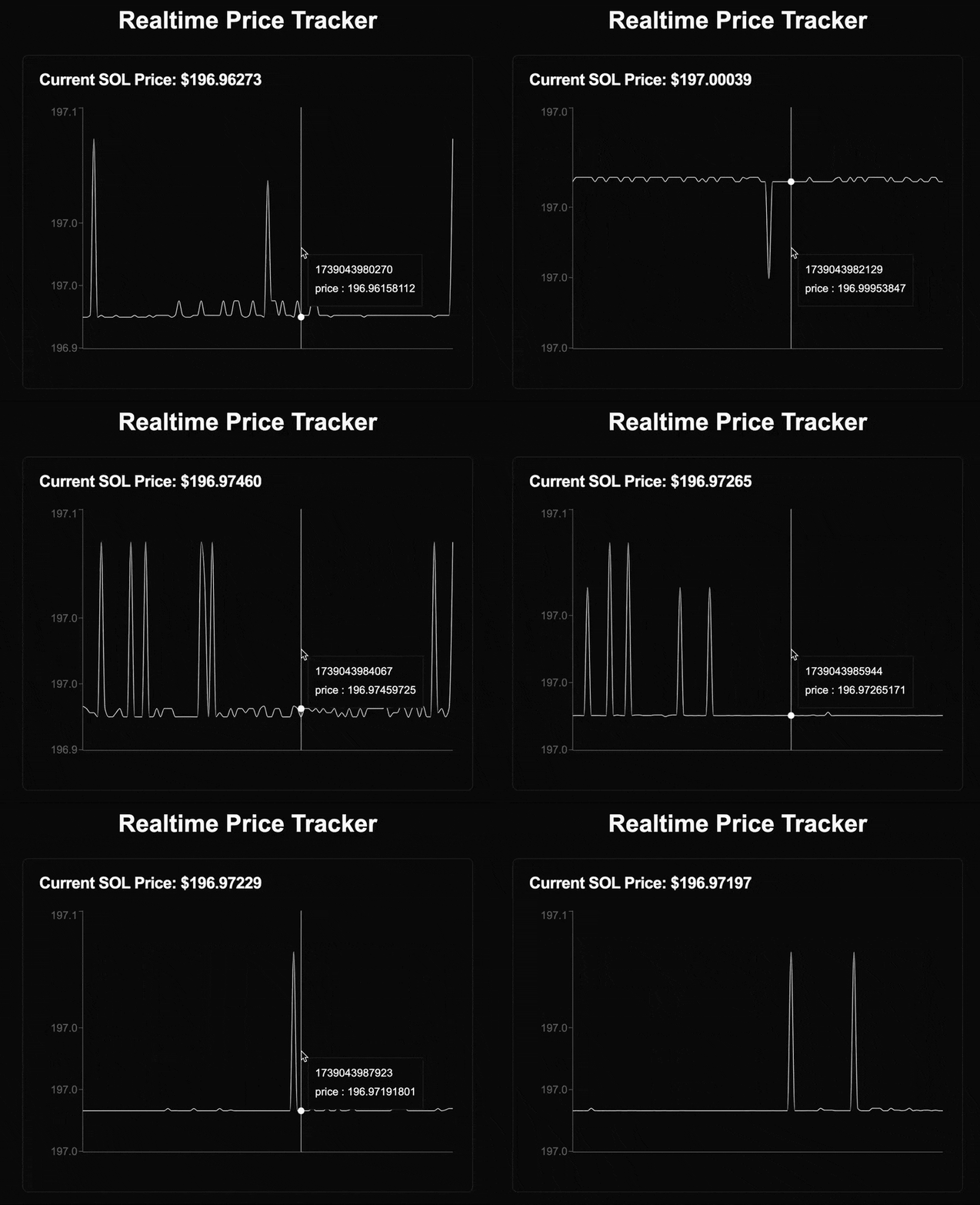
Live Solana Price
Integrating Jito MEV for Block Space
Capturing MEV on Solana requires securing block space to execute trades. Jito decouples transaction inclusion from the standard consensus layer, allowing HFT bots to bid for priority in block production. For high-frequency strategies, this integration is the infrastructure baseline. You are essentially buying a guaranteed lane in the block to avoid being front-run or sandwiched.
How Jito Auctions Work
The core mechanism is a blind auction for block space. Instead of relying on standard priority fees, you bundle your trades into a Jito bundle and send it to a Jito relay. Relays forward these bundles to block producers (validators). The validator with the highest bid wins the right to include that bundle in their block. This creates a direct marketplace where speed and capital compete for inclusion.
Key Integration Components
To participate, you must interact with the Jito SDK and understand the bundle structure. Your bot must construct a bundle containing:
- Your Trading Transactions: The actual swaps or limit order executions you want to settle.
- The Tip Transaction: A small transaction sending a tip (SOL) to the validator. This is your bid. The higher the tip, the more competitive your bundle is, but you must balance this against your expected profit margin.
- The Bundle ID: A unique identifier used for tracking and refunding if the bundle is rejected.
Latency and Reliability
Jito offers predictability. In standard Solana transactions, you might pay high priority fees and still miss the block due to network congestion. With Jito, if your bid is accepted, your transactions are included. This reduces the "noise" in your PnL calculations. However, this comes with a cost. You are paying a premium for certainty. For HFT strategies with thin margins, the tip cost can significantly impact profits during high-volatility events.
Best Practices for HFT
- Dynamic Bidding: Implement a bidding algorithm that adjusts based on real-time network congestion and expected profit. Bid low when the market is quiet; bid higher during high volatility to ensure inclusion.
- Bundle Size: Keep bundles small. Large bundles are more likely to be rejected due to block size limits. Split multi-leg strategies into separate bundles if possible.
- Relay Selection: Use multiple Jito relays to avoid single points of failure. The Jito SDK supports switching relays if one goes down.
- Rejection Handling: Monitor bundle status closely. If a bundle is rejected, quickly analyze whether you underbid or if the block was full to adjust your next bid.
The Cost of Speed
Integrating Jito is a trade-off. You are paying for speed and certainty. For many HFT strategies, this is worth it because guaranteeing execution in a specific block removes significant risk. However, you must carefully model costs. A 0.01 SOL tip might seem small, but frequent trading adds up. Ensure your strategy's alpha consistently outpaces the cost of block space auctions.
RPC and Data Pipeline Speed
Your edge is often measured in microseconds. The first bottleneck you will hit is the data pipeline. If your RPC connection is slow or your indexer is lagging, you are trading with one hand tied behind your back. You cannot react to market conditions that you do not see in real-time.
The RPC Bottleneck
Standard public RPC nodes are useless for HFT. They throttle requests, drop transactions, and introduce unpredictable latency. You need dedicated, high-throughput endpoints. Bare-metal servers colocated near validator nodes are the standard for serious setups. This minimizes network hops and gives you direct access to the block engine.
Treat your RPC provider like a supplier of raw materials. If the supply chain is broken, the factory stops. Look for providers that offer dedicated instances with guaranteed throughput. Avoid shared nodes. The latency difference between a public node and a dedicated one can determine whether an arbitrage opportunity is profitable or a failed transaction.
Custom Indexing and Real-Time Ingestion
Waiting for a block to finalize is too slow for HFT. You need to ingest data as soon as it appears in the block stream. This means building custom indexers that parse transactions in real-time. You are not just listening to the blockchain; you are reading it faster than the rest of the market.
Your indexer needs to track specific events: token swaps, liquidity changes, and price updates. Push these events to your trading engine via low-latency channels like WebSockets or custom UDP streams. The goal is to have your strategy engine process the data before the block is fully propagated across the network.
This requires robust infrastructure. You must handle millions of transactions per second without dropping packets. If your indexer falls behind, you are trading on stale data, which leads to bad decisions and losses. Build your pipeline to be fast, reliable, and resilient to network congestion.
Risk Management Protocols
High-frequency trading on Solana moves fast enough that traditional risk controls often arrive too late. You are trading in microseconds, where a single network congestion spike or smart contract bug can wipe out a position before you can blink. Effective risk management here isn't about gut feeling; it is about hard-coded infrastructure limits that execute faster than any human can react.
To survive on-chain, you need automated guardrails covering position sizing, exit triggers, and protocol-specific failure modes.
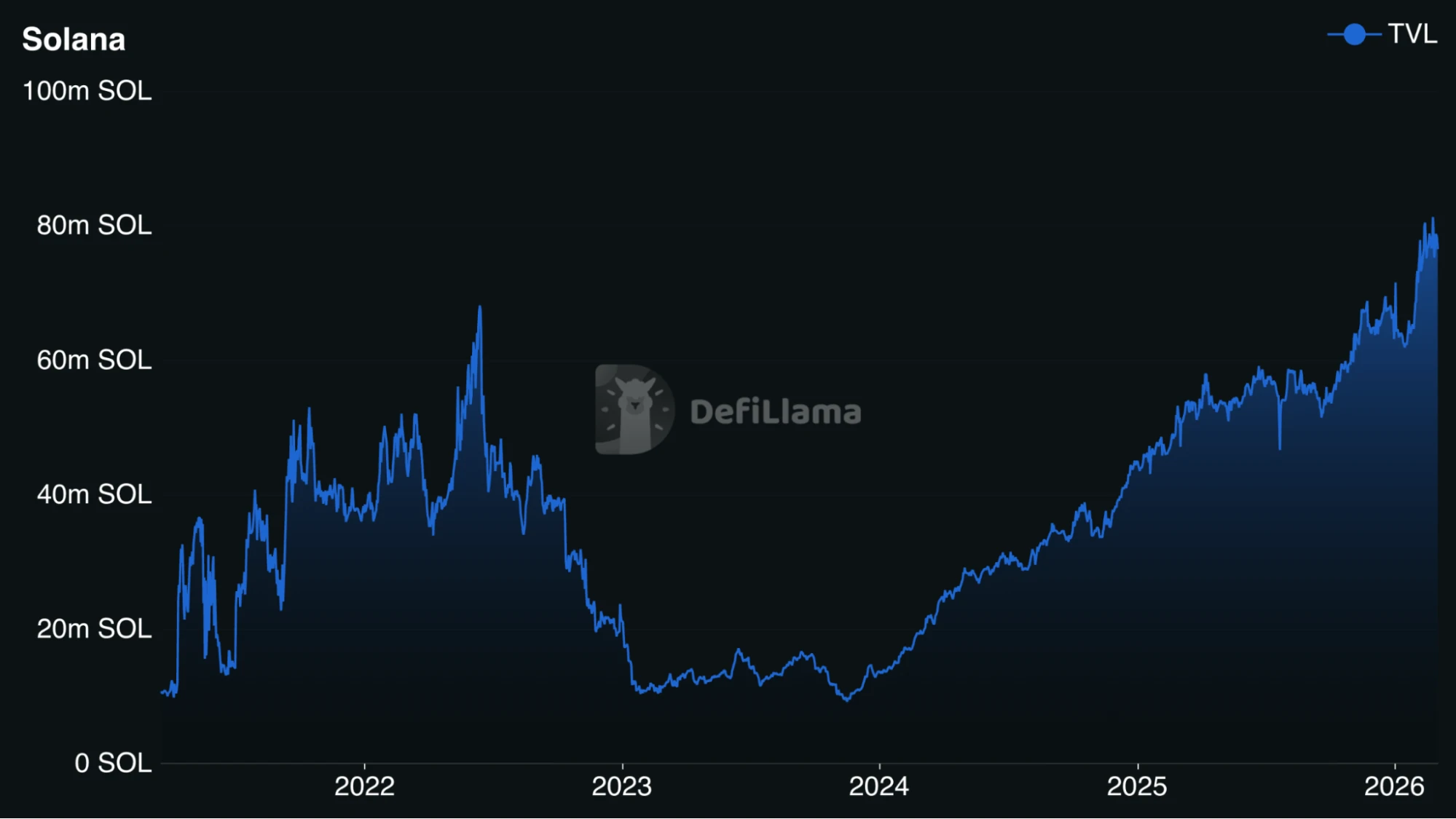
Never let a single trade expose more than a fraction of your total treasury. Hard-code maximum position sizes directly into your trading bot. If the market moves against you, the bot should refuse to add to the position rather than averaging down. This prevents a single bad trade from draining your liquidity pool or account balance.
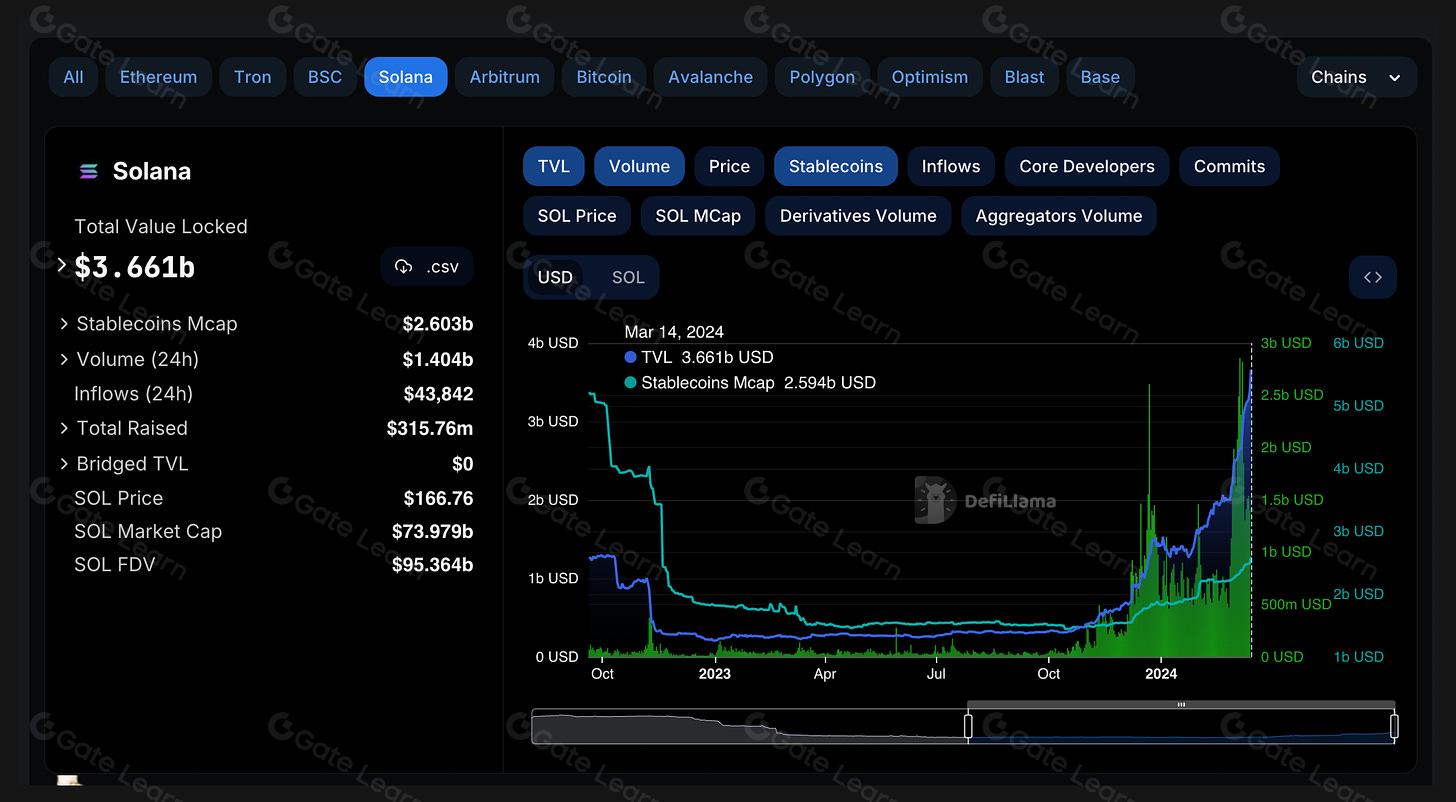
Slippage tolerance is your first line of defense. Set tight slippage limits (often under 1%) and hard stop-losses that trigger immediately if the price drops below a calculated threshold. On Solana, these triggers must be executed via smart contract logic or a dedicated exit bot to avoid the latency of manual intervention.
DeFi protocols are not infallible. Your risk strategy must include real-time monitoring for oracle failures, liquidity pool imbalances, or smart contract exploits. If a protocol shows signs of instability, your bot should automatically pause trading and withdraw liquidity to prevent being caught in a flash crash or exploit.
Network congestion on Solana can cause transaction failures or extreme latency. Implement circuit breakers that halt trading if the average transaction confirmation time exceeds a set limit or if the failure rate spikes. This prevents your bot from burning through rent and fees on transactions that will never settle.
A disciplined Solana DeFi strategy requires predefined rebalancing rules and position limits to manage volatility and protocol risk. By automating these controls, you remove human error and ensure your trading infrastructure can handle the unique pressures of the Solana network.
Frequently asked: what to check next
What is a Solana DeFi strategy?
A disciplined Solana DeFi strategy involves structured asset allocation across risk-tiered protocols like liquid staking, lending, and liquidity provision. It relies on predefined rebalancing rules, strict position limits, and automated exit triggers to manage volatility and smart contract risk.
Is HFT on Solana feasible for retail traders?
For most retail traders, HFT is not feasible. The infrastructure required—bare-metal servers in specific data centers, direct RPC connections, and optimized Rust code—creates a barrier to entry that excludes most individual traders. Solana’s 400ms block times are suitable for active management, but latency advantages are captured by specialized firms, not home-laptop setups.
How do you protect against MEV on Solana?
Solana’s architecture differs from Ethereum’s mempool model, reducing traditional front-running risks but introducing vectors like sandwich attacks. Protection relies on infrastructure: using private RPC endpoints to hide transactions until confirmation, employing Jito bundles for priority inclusion, and using anti-MEV bots to detect predatory liquidity movements.
What is the most important infrastructure component for HFT?
Latency is the primary metric. The most critical component is network topology. Placing your trading bot’s server in the same cloud region as validator nodes (typically Amsterdam or New York for Solana) shaves milliseconds off transaction propagation. Even a single millisecond of delay can mean the difference between capturing an arbitrage opportunity or watching it vanish.
Can I use a standard trading bot for HFT?
No. Standard trading bots often rely on public RPC nodes with rate limits and slower block processing. HFT requires a dedicated, high-throughput connection to the Solana network, often bypassing standard websockets for UDP-based custom protocols. Without this direct line, trade signals arrive too late to be profitable.
No comments yet. Be the first to share your thoughts!