Why latency defines Solana HFT
In Solana’s high-throughput environment, execution speed and infrastructure proximity are the primary determinants of profitability. While alpha generation matters, it is secondary to the ability to route orders faster than competitors. A strategy that takes 50 milliseconds to execute is often obsolete before the transaction even lands on-chain. The difference between profit and loss in high-frequency trading (HFT) is measured in microseconds, not minutes.
Solana’s architecture prioritizes speed over traditional finality guarantees. Blocks are produced every 400 milliseconds, creating a narrow window for arbitrage and market-making opportunities. Traders who co-locate their nodes near validator infrastructure gain a significant advantage. This proximity reduces the time it takes for transactions to propagate, allowing them to capture price discrepancies before the market adjusts.
The competitive landscape is defined by infrastructure quality. Bare-metal clusters and optimized routing stacks are no longer optional; they are prerequisites for survival. As noted in recent industry analyses, successful HFT setups require deep technical optimization of the entire pipeline, from the trading algorithm to the network interface. Without this level of optimization, even the most sophisticated strategies will fail to compete.
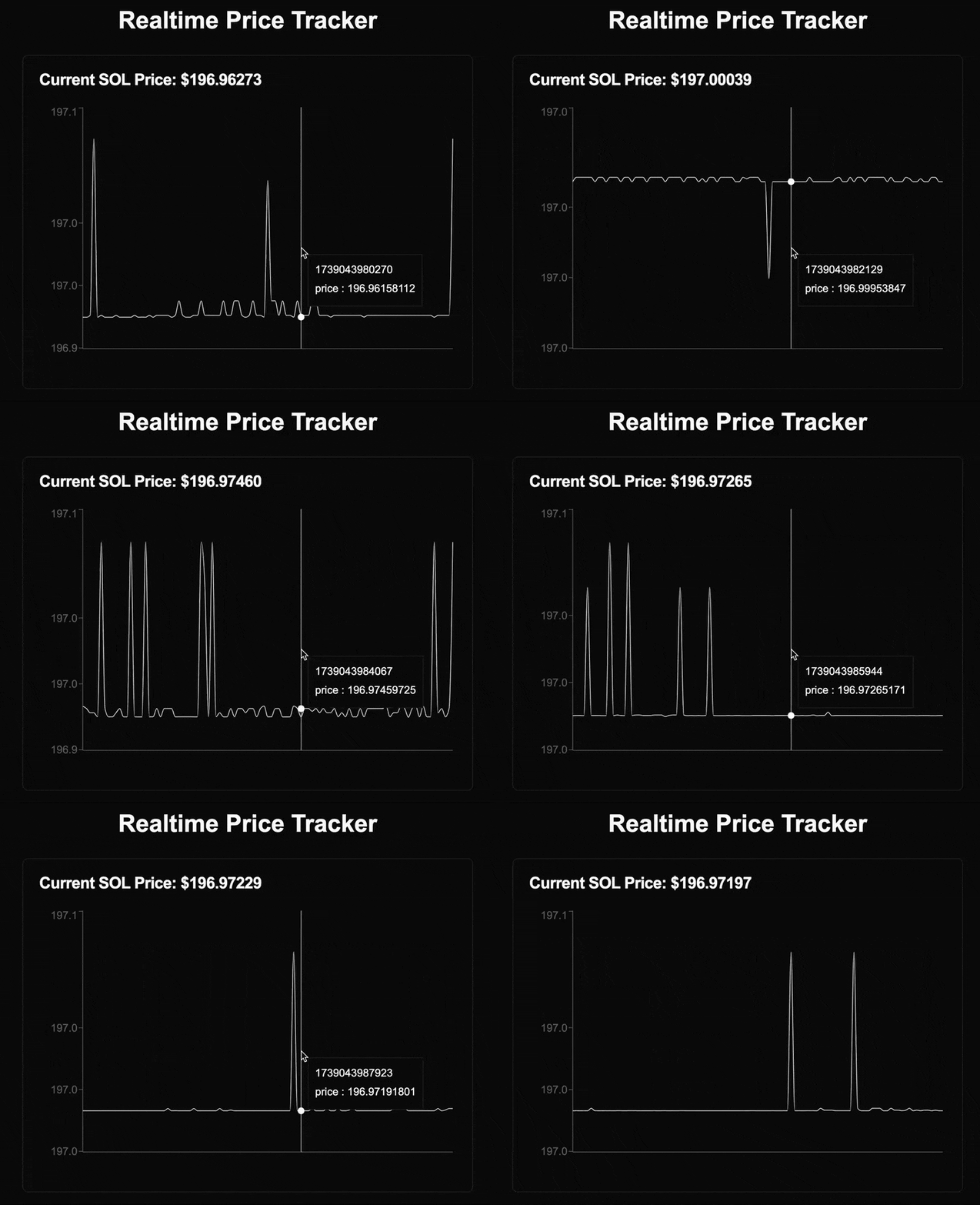
This chart illustrates the volatility and liquidity depth relevant to HFT entry points. Notice the rapid price movements and volume spikes, which represent the exact moments where latency advantages translate into direct financial gain. Traders must react to these signals faster than the average market participant to capture value.
Hardware and network requirements
Achieving sub-millisecond execution on Solana demands infrastructure that eliminates every unnecessary hop between your code and the network. Standard cloud instances introduce variable latency and jitter that make high-frequency strategies unprofitable. The goal is to reduce the time from signal generation to transaction signing to near zero.
Bare-metal servers
Bare-metal hosting removes the virtualization layer that adds unpredictable overhead. Direct access to the CPU allows for precise thread pinning and cache optimization, which is essential for maintaining consistent performance during high-volume periods. This direct hardware interaction is the foundation for any serious HFT operation on Solana.
Colocation strategy
Placing your servers in data centers physically close to Solana validator nodes reduces the time packets spend traveling through the network. Even a few milliseconds of reduction in round-trip time can be the difference between capturing an arbitrage opportunity or watching it disappear. Proximity to the network edge is a primary driver of execution speed.
RPC node selection
Not all RPC providers offer the same level of performance. For HFT, you need dedicated, high-throughput endpoints that prioritize transaction submission speed over general query capabilities. Using a standard public RPC will likely result in dropped transactions or significant delays during market volatility. Selecting a provider with dedicated infrastructure for high-frequency traffic is non-negotiable.
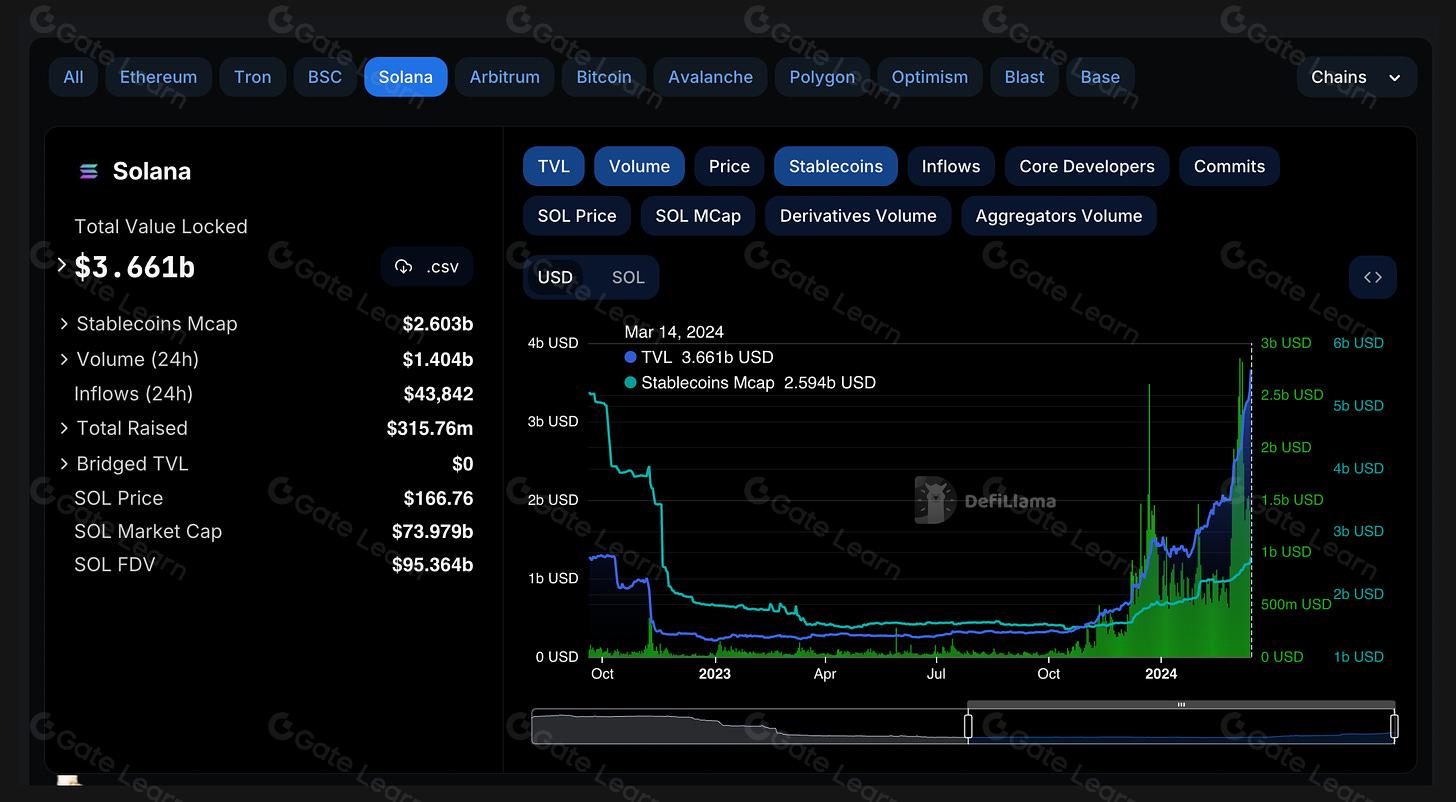
The state of Solana DeFi continues to evolve, but the fundamental requirements for high-speed trading remain rooted in physical proximity and hardware control. As the ecosystem grows, the competition for block space intensifies, making efficient infrastructure more critical than ever. Traders must continuously optimize their stack to stay ahead of the curve.
Essential tools for on-chain automation
High-frequency trading on Solana requires infrastructure that matches the network's sub-second finality. Relying on manual execution or slow RPC endpoints introduces slippage that erodes margins. Traders typically choose between custom-built Rust bots for maximum control and no-code platforms for rapid deployment.
The following comparison outlines the trade-offs between these two primary approaches to Solana high-frequency DeFi trading.
| Tool Type | Latency | Cost Structure | Flexibility |
|---|---|---|---|
| Custom Rust Bot | Sub-100ms (Jito/Compute Units) | High (Dev time + RPC fees) | Unlimited (Custom logic) |
| No-Code Platform | 1-5 seconds | Monthly subscription | Limited (Pre-built templates) |
Custom Rust bots connect directly to validators or use private mempools via Jito to bypass public congestion. This approach demands significant engineering resources but offers the lowest latency for arbitrage and sandwich detection. No-code platforms like Coinrule abstract the complexity, allowing traders to set up basic grid or DCA strategies without writing code, though they cannot compete in ultra-low-latency environments.


As an Amazon Associate, we may earn from qualifying purchases.
For traders prioritizing speed, the infrastructure investment is non-negotiable. Whether building in-house or subscribing to a platform, the tool must align with the specific strategy's latency requirements. Static price feeds are insufficient for HFT; live provider-backed data is essential.
Strategies for capturing market microstructure
Solana’s sub-second finality and low fees create a unique environment for Solana High-Frequency DeFi Trading. Unlike traditional order-book exchanges, Solana’s liquidity is often fragmented across Automated Market Makers (AMMs) like Raydium and Orca. Capturing value here requires specific strategies that exploit price discrepancies and liquidity inefficiencies faster than manual traders can react.
1. Cross-DEX Arbitrage
Arbitrage remains the most common HFT strategy on Solana. Because liquidity pools are independent, temporary price dislocations occur when large trades hit one DEX but not others. HFT bots monitor these spreads in real-time. When the price of SOL on Raydium diverges from Orca by more than the gas and slippage costs, the bot executes simultaneous buy and sell orders. This convergence restores price equilibrium across the ecosystem. Success depends on minimizing latency between the detection of the spread and the transaction submission.
2. Liquidity Provision and Rebalancing
Professional market makers provide liquidity to earn trading fees, but this exposes them to impermanent loss. HFT strategies on Solana automate the rebalancing of liquidity positions. By constantly adjusting the price range of concentrated liquidity positions based on real-time volatility, these bots capture higher fees while mitigating loss. This requires sophisticated algorithms that predict short-term price movements to keep capital allocated in the most profitable price bands.
3. MEV Protection and Order Routing
Maximal Extractable Value (MEV) bots often front-run or sandwich retail traders. To protect capital, HFT infrastructure uses private transaction relays and encrypted mempools. These tools ensure that large orders are not visible to the public mempool until they are confirmed, preventing predatory bots from exploiting the trade. Additionally, smart order routing splits large orders across multiple DEXs to minimize slippage and reduce the window of exposure to MEV attacks.
4. Statistical Arbitrage and Mean Reversion
Beyond simple price differences, HFT strategies exploit statistical relationships between correlated assets on Solana. For example, if a stablecoin pegs slightly off or a wrapped asset deviates from its underlying value, bots execute mean-reversion trades. These strategies rely on historical data and real-time volatility metrics to identify temporary anomalies. The low latency of Solana allows these trades to be executed and settled within a single block, ensuring profit before the market corrects itself.
5. Latency Optimization
The foundation of all these strategies is infrastructure. HFT firms deploy validator nodes in close physical proximity to Solana’s network leaders to reduce network propagation time. They also use optimized client software and direct RPC connections to bypass public rate limits. This technical edge ensures that their transactions are included in the block before competitors, which is critical for strategies where milliseconds determine profitability.
Risk management in high-speed DeFi
High-frequency trading on Solana operates at a speed where traditional risk controls often fail. A single network congestion event or smart contract vulnerability can drain a bot’s capital in milliseconds. Effective risk management requires a layered approach that addresses infrastructure stability, execution precision, and protocol safety.
Network congestion is the primary threat to Solana HFT. During high load, transaction latency spikes, causing strategies to execute on stale data. Deploy dedicated validator nodes or use high-performance RPC providers to bypass public network bottlenecks. Implement dynamic priority fee logic that scales with network congestion to ensure transaction inclusion without overpaying during quiet periods.
Slippage in high-speed environments is often caused by MEV bots front-running your transactions. Use private transaction relays or flashbots-style private RPCs to hide order flow from the public mempool. Set strict slippage tolerances based on real-time volatility metrics rather than fixed percentages. If the market moves beyond your threshold, the bot should abort the trade immediately to prevent unfavorable fills.
Interacting with unverified or audited smart contracts introduces existential risk. Always verify the contract address against official sources before trading. Implement a allowlist for supported protocols and reject any interaction with contracts that have not passed rigorous security audits. For new or experimental tokens, use isolated wallets with minimal capital allocation to contain potential losses from exploits or rug pulls.
Automated systems can malfunction or encounter edge cases that lead to rapid capital loss. Code mandatory circuit breakers that halt all trading activity if losses exceed a predefined daily limit or if the bot detects anomalous behavior, such as repeated failed transactions. A manual kill switch should be accessible instantly to stop all operations in case of network anomalies or strategic errors.
| Risk Type | Primary Mitigation |
|---|---|
| Network Congestion | Dedicated RPCs & Dynamic Fees |
| Slippage/MEV | Private Relays & Tight Tolerances |
| Smart Contract Exploit | Allowlists & Audit Verification |
| Bot Malfunction | Circuit Breakers & Kill Switches |
TechnicalChart symbol="BINANCE:SOLUSDT" chartStyle="candle" interval="1H" indicators='["volume"]' />
Risk management in high-speed DeFi is not about eliminating risk, but about controlling exposure. By combining robust infrastructure with strict execution rules, you protect your capital against the unique volatility of the Solana ecosystem.
No comments yet. Be the first to share your thoughts!