Why Solana fits high-frequency trading
High-frequency trading (HFT) on Solana isn't just about speed; it's about the math of execution. For an algorithmic strategy, latency and transaction costs are the two variables that determine profitability. Solana's architecture addresses both simultaneously, creating a venue where HFT strategies that are economically unviable on other chains become feasible.
The network's block time of approximately 400 milliseconds provides a tight feedback loop for active management. Unlike Ethereum's 12-second epochs or Bitcoin's 10-minute blocks, Solana's rapid finality allows traders to adjust positions and react to market microstructure changes with minimal lag. This frequency is critical for strategies relying on arbitrage or market making, where the window for profit is often measured in milliseconds.
Cost is the other half of the equation. HFT strategies often rely on high turnover, meaning transaction fees can quickly erode margins. Solana's negligible transaction costs—typically fractions of a cent per swap—allow for aggressive order placement and cancellation without the fee drag seen on EVM-compatible chains. This low friction enables the high-volume, low-margin tactics that define modern HFT.
Hardware and network requirements
Running high-frequency trading (HFT) on Solana requires infrastructure that mirrors traditional finance exchanges, not standard retail setups. The primary bottleneck is no longer just the chain’s throughput, but the latency between your node and the network. Standard public RPCs introduce unpredictable jitter and rate limits that make sub-second arbitrage impossible. To compete, you need dedicated hardware and direct network paths.
Dedicated Node Infrastructure
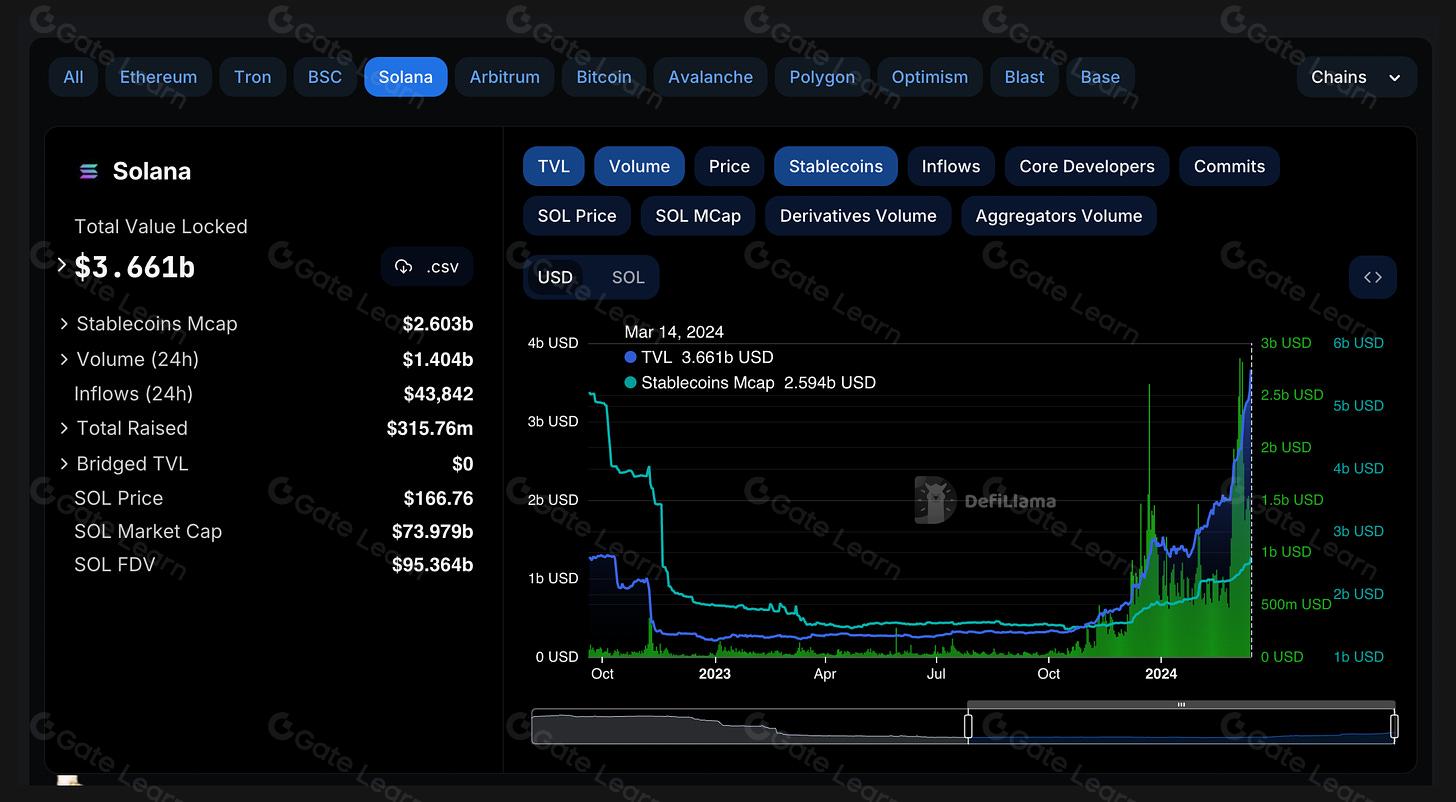
The baseline for any serious HFT operation is a bare-metal validator node or a dedicated RPC endpoint hosted in the same data center as the majority of the network’s validators. Geographic proximity to these nodes reduces ping times significantly. For example, hosting your infrastructure in AWS us-east-1 or equinix NY4 aligns you with the majority of Solana’s validator cluster. This physical proximity is critical for minimizing the time it takes for your transaction signatures to reach the network.
Low-Latency Execution Engines
Standard transaction submission is too slow for HFT. You need an execution engine capable of submitting transactions with precise timing, often using techniques like transaction prioritization fees or direct leader scheduling. Solutions like MagicBlock’s Ephemeral Rollups offer sub-50ms latency and first-come-first-serve (FCFS) sequencing, which is essential for capturing fleeting arbitrage opportunities. These engines bypass the congestion of the public mempool, ensuring your trades are processed in the order you intend, not the order the network happens to bundle them.
Network Optimization
Beyond hardware, network configuration plays a pivotal role. Use dedicated internet access (DIA) lines rather than shared broadband connections to ensure consistent bandwidth and low packet loss. Implementing custom RPC clients that support batched requests and WebSocket connections for real-time slot updates can further reduce decision-to-execution lag. Every millisecond counts, so optimizing your code’s serialization and deserialization processes is just as important as your physical location.
Essential tools for execution and routing
High-frequency trading on Solana isn't just about writing a fast bot; it's about choosing the right infrastructure to minimize latency and maximize fill rates. The ecosystem has matured from simple RPC calls to specialized routing protocols and dedicated execution layers. For an algo trader, your stack needs to handle sub-second block times without choking on network congestion.
Routing Protocols and Execution Layers
The backbone of any Solana HFT strategy is how you route orders. Standard aggregators like Jupiter are essential for general liquidity, but for HFT, you need direct access to decentralized exchanges (DEXs) like Orca or Raydium to capture specific arbitrage opportunities. More importantly, you must consider execution layers that sit between your bot and the Solana blockchain. Services like MagicBlock offer ephemeral rollups that deliver sub-50ms latency and predictable costs, effectively bridging the gap between CEX speed and DEX flexibility [src-serp-6].
When building your node infrastructure, bare-metal setups are the standard for serious operations. Deploying on cloud VMs introduces variable network jitter that can cost you trades. As noted in recent industry analyses, successful HFT setups often involve dedicated clusters with direct peering to Solana validators [src-serp-3].
Comparing Infrastructure Options
Not all routing and execution tools are created equal. Below is a comparison of key infrastructure components used in Solana HFT, focusing on latency, cost structure, and primary use cases.
Hardware and Network Considerations
Your software is only as good as your network connection. For HFT, colocating your bots near Solana validators is critical. This means using RPC providers that offer dedicated endpoints or running your own validator nodes in data centers close to the primary Solana network hubs. Tools like Helius and Triton provide the low-latency RPC access needed to monitor the mempool and front-run transactions effectively.


As an Amazon Associate, we may earn from qualifying purchases.
Choosing the right combination of routing protocols, execution layers, and hardware is what separates profitable HFT operations from those that get rekt by slippage and latency. Start with reliable RPC providers, integrate specialized execution layers for speed, and always test your routing logic against multiple DEXs.
The Economic Reality of Solana HFT
High-frequency trading is no longer a free ride. In traditional equity markets, HFT profits have contracted sharply, dropping from a peak of roughly $5 billion in 2009 to about $1.25 billion by 2012 as strategies became commoditized and latency arms races intensified. Solana offers a different architecture, but the economic pressures are similar: margins are thin, and the barrier to entry is infrastructure, not just capital.
On Solana, profitability hinges on your ability to execute thousands of transactions per block with minimal slippage. Unlike Ethereum, where you compete for block space via gas auctions, Solana’s throughput allows for higher transaction density, but it introduces new risks. Network congestion can lead to failed transactions or delayed finality, which is fatal for strategies relying on sub-second arbitrage. If your RPC node lags by even a few milliseconds, you are trading against bots with co-located servers.
Competition is fierce. You are not just trading against other market makers; you are trading against MEV bots that can front-run or sandwich your orders if your transaction ordering is predictable. To remain profitable, you must prioritize low-latency infrastructure and sophisticated order routing. This means using dedicated RPC endpoints, potentially running your own validator or using premium providers like Helius or Triton, and implementing strict slippage controls.
The market structure is evolving rapidly. As more sophisticated players enter the Solana ecosystem, the alpha from simple arbitrage strategies is diminishing. Success now requires deeper integration with liquidity providers, advanced predictive modeling, and a robust risk management framework that accounts for network instability. If you are not building for scale and speed from day one, you will likely find your edge eroded by the collective efficiency of the market.
Pre-Launch Validation Checklist
Before deploying capital, verify your infrastructure handles the unique constraints of Solana’s high-throughput environment. HFT on Solana demands low latency, robust error handling, and strict position management.
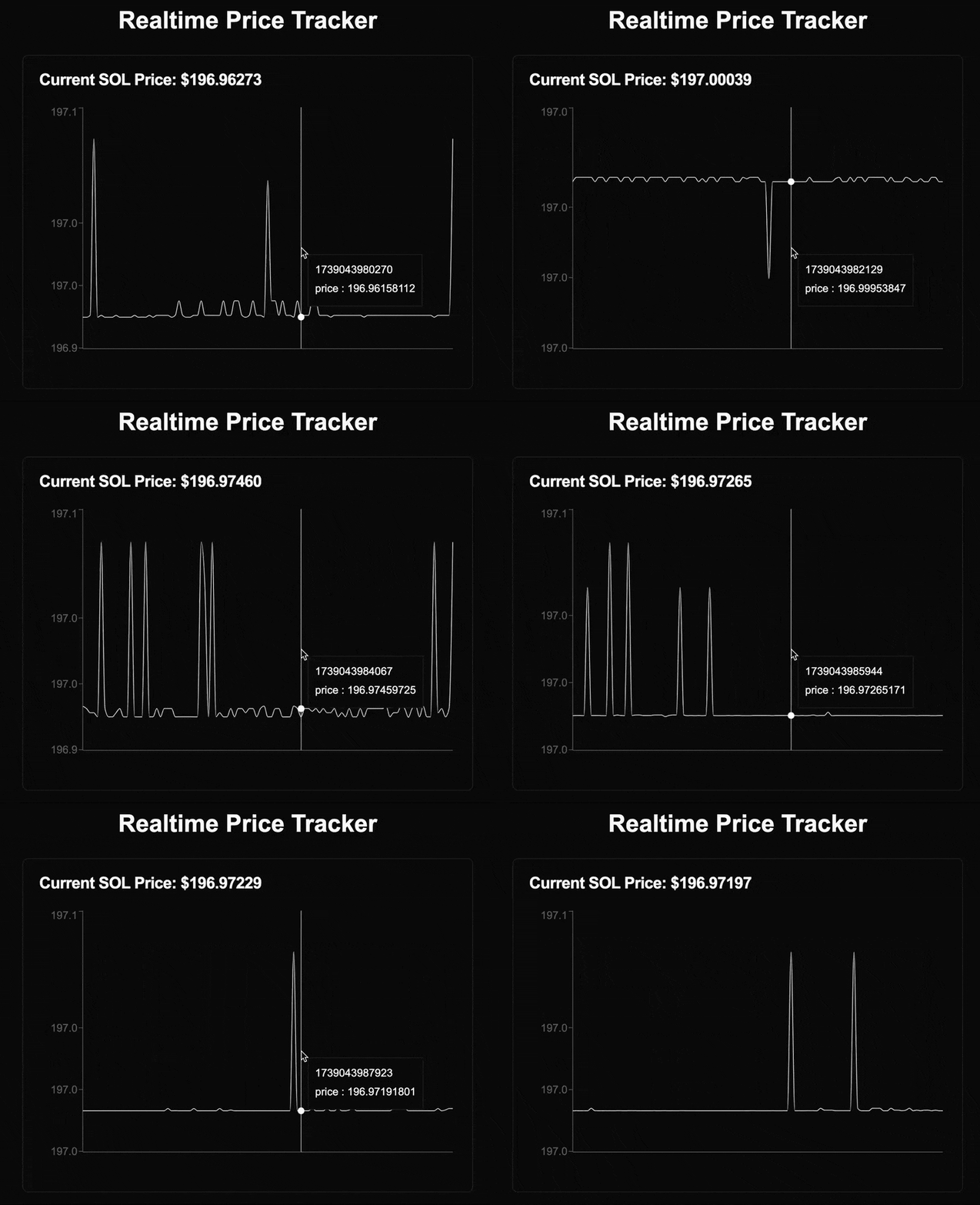
Run latency benchmarks against your chosen RPC provider. Ensure transaction submission times consistently fall below 500ms during peak congestion. Test block processing speed to confirm your bot can react to new blocks without falling behind.
Define hard limits for maximum drawdown and daily loss. Configure automatic shutdown triggers if your bot exceeds these thresholds or if network congestion spikes beyond acceptable levels. This prevents catastrophic losses during flash crashes or RPC failures.
Simulate high-frequency trading scenarios using a testnet or mainnet fork. Verify that your bot correctly handles partial fills, rejected transactions, and slippage limits. Ensure your retry logic does not exacerbate network congestion or lead to double-spending attempts.
Store private keys in secure, hardware-backed environments. Use separate wallets for different strategies to limit exposure. Regularly rotate API keys and ensure your bot’s codebase is free from hardcoded secrets or vulnerabilities that could be exploited.
| Component | Requirement |
|---|---|
| RPC Node | Dedicated, low-latency connection |
| Wallet | Hardware security module or encrypted storage |
| Execution Engine | Sub-500ms transaction submission |
| Risk Manager | Automated kill switch with configurable limits |
Is HFT Still Profitable on Solana?
High-frequency trading on Solana remains profitable, but the margin for error has shrunk. Unlike equity markets where HFT profits have declined due to saturation, Solana’s on-chain environment offers new opportunities driven by its sub-second finality and low transaction costs.
Profitability now hinges on infrastructure efficiency. Traders must compete on latency, not just strategy. The ability to submit transactions faster than others determines whether you capture the spread or get front-run. With transaction fees averaging fractions of a cent, even small arbitrage opportunities can yield significant returns if executed at scale.
However, competition is fierce. As more sophisticated bots enter the ecosystem, alpha decays rapidly. Success requires continuous optimization of your RPC nodes, transaction bundling, and MEV protection strategies. The days of easy money are over; today’s profits come from technical superiority.
No comments yet. Be the first to share your thoughts!