The 400-Millisecond Validator Window
Solana’s high-frequency DeFi trading landscape is defined by a single, unforgiving constraint: the validator rotation cycle. Unlike blockchains that finalize blocks over seconds or minutes, Solana’s architecture rotates its block-producing validators approximately every 400 milliseconds. This rapid turnover creates an extremely narrow window for transaction submission, propagation, and inclusion.
This 400-millisecond interval is not merely a technical detail; it is the fundamental bottleneck that separates viable high-frequency strategies from failed attempts. In this fleeting moment, a trader must submit a transaction, ensure it propagates through the network, and have it accepted by the current validator leader. Any delay beyond this threshold results in the transaction being dropped or front-run by faster participants.
The implication for infrastructure is immediate. Traditional trading setups, which rely on standard RPC endpoints or public nodes, often introduce latency spikes that exceed this window. To compete, traders must operate infrastructure that minimizes every microsecond of delay, from the execution environment to the network connection. Understanding this tight timing constraint is the first step in building a competitive Solana trading bot.
For a deeper look at how this constraint impacts bot performance, see this analysis on optimizing Solana trading latency.
RPC layers and data streaming
High-frequency DeFi trading on Solana relies on minimizing latency at every hop. The distance between your code and the blockchain is measured in milliseconds, and standard public RPCs introduce too much friction for HFT strategies. These public endpoints often throttle requests, lack access to the latest blocks, and provide no visibility into the mempool, leaving traders blind to incoming transactions. To compete, you need a direct, high-throughput data pipeline that bypasses these bottlenecks.
The foundation of a robust Solana trading stack is a dedicated RPC node or a premium provider service. These services offer higher rate limits and access to proprietary endpoints like getProgramAccounts for real-time token tracking. However, even the best standard RPCs are reactive—they tell you what just happened. For HFT, you need to anticipate what is about to happen. This is where advanced data streaming protocols become essential.
Yellowstone gRPC and Jito ShredStream represent the next tier of infrastructure. Yellowstone gRPC provides a high-speed, bidirectional stream of blockchain data, allowing traders to receive block updates and transactions as they are produced, often before they are fully confirmed. Jito ShredStream offers similar low-latency access to the raw network data, enabling traders to see transactions at the network layer. Together, these tools transform your trading bot from a passive observer into an active participant in the block production process.
Choosing the right combination of RPC and streaming layer depends on your strategy. Pure arbitrage bots may only need Yellowstone gRPC to detect price discrepancies across DEXs. MEV-aware traders often integrate Jito ShredStream to identify profitable bundles before they hit the mempool. The goal is to reduce the time from block production to transaction submission to the absolute minimum, ensuring your orders execute at the desired price point.
Choose the right Solana DEX for HFT
High-frequency trading on Solana requires more than just a fast wallet; it demands infrastructure that minimizes latency and slippage. The Solana DeFi ecosystem is fragmented, with different platforms serving distinct operational needs. For HFT strategies, the primary differentiators are liquidity depth, fee structures, and MEV protection.
Jupiter remains the dominant liquidity aggregator, routing orders across multiple sources to ensure the best execution prices. It is the default choice for most traders due to its deep liquidity pools and sophisticated routing algorithms. However, for pure market-making or direct order book interactions, decentralized exchanges like Orca and Raydium offer specialized environments. Orca’s concentrated liquidity model allows for tighter spreads on major pairs, while Raydium provides direct access to its on-chain order book.
When selecting a DEX, you must weigh the trade-off between aggregation convenience and direct exchange control. Aggregators like Jupiter simplify the process but may introduce slight latency compared to direct swaps on high-volume venues. Direct DEX usage requires manual liquidity source selection but can offer lower fees for large volume trades where slippage is the primary risk.
The table below compares the top Solana DEXs based on liquidity depth, fee structures, and suitability for high-frequency operations.
| DEX | Type | Liquidity Depth | Trading Fees | HFT Suitability |
|---|---|---|---|---|
| Jupiter | Aggregator | Very High | 0.1-0.3% | High (Best for execution) |
| Orca | CLMM | High | 0.05-0.3% | Medium (Good for MM) |
| Raydium | AMM/Orderbook | High | 0.2% | High (Direct access) |
| Meteora | DLMM | Medium-High | 0.01-1% | Medium (Niche pairs) |
For real-time market context, monitoring the price action of major Solana pairs is essential before executing trades. The following chart illustrates the recent price movement of SOL/USDT, providing a baseline for volatility assessment.
Bot architecture and execution speed
Solana’s sub-second finality creates a unique environment for high-frequency DeFi trading, but it also demands a software architecture that prioritizes raw speed and deterministic execution. Unlike traditional finance, where latency is measured in milliseconds, Solana HFT operates in microseconds. The difference between a profitable trade and a failed one often comes down to how quickly your bot can construct, sign, and broadcast a transaction before the block producer locks in the state.
Custom Bots vs. No-Code Platforms
The first architectural decision is whether to build a custom solution or use a no-code platform. No-code tools like Coinrule offer entry tiers for moderate activity and are suitable for simpler strategies, but they lack the granular control required for true high-frequency operations. For HFT, custom bots are the standard. They allow you to optimize every byte of the transaction payload and manage memory usage efficiently, which is critical when running multiple instances simultaneously.
Building your own bot means handling the full lifecycle: listening to the mempool, estimating priority fees, and managing RPC node connections. This complexity is significant; one trader documented an 11-month journey building a copy-trading bot, highlighting the steep learning curve involved in stabilizing such systems. However, the payoff is a system tailored to your specific edge, whether that’s arbitrage, sniping, or market making.
Transaction Optimization and Priority Fees
Execution speed on Solana is heavily influenced by how you handle priority fees. Because the network is congested during high-volume periods, standard transactions often fail or get delayed. You must dynamically calculate and attach priority fees to ensure your transaction lands in the next block. This requires real-time data on network congestion and block space availability.
RPC Node Selection
Your choice of RPC provider is the backbone of your bot’s performance. Public RPCs are throttled and unreliable for HFT. You need a dedicated, high-throughput endpoint that offers fast transaction signing and reliable webhook support for real-time block updates. The latency between your bot’s decision logic and the RPC node’s acceptance is the single most critical variable in your execution pipeline.
Risk Management in Code
Finally, your architecture must include automated risk controls. Slippage tolerance, maximum position size, and stop-loss mechanisms should be hardcoded into the bot’s logic, not left to manual intervention. In HFT, a lagging manual response can result in significant losses. By encoding these rules directly into the execution flow, you ensure that every trade adheres to your risk parameters, regardless of network conditions or market volatility.
MEV protection and transaction submission
High-frequency trading on Solana exposes you to Maximum Extractable Value (MEV) attacks. Without protection, your trades are visible in the public mempool before confirmation, allowing bots to front-run your buys or sandwich your sells. This effectively transfers profit from your strategy to the attacker.
To mitigate this risk, route transactions through private transaction pools. Services like Jito allow you to bundle your trades with tips directly to validators. This bypasses the public mempool, ensuring your order executes at the intended price without being intercepted. Always use private relays for HFT execution to maintain edge.
Private submission is not optional for serious HFT. It is the infrastructure baseline that separates profitable strategies from those that bleed value to arbitrage bots.
- Use Jito Bundles: Send transactions via Jito to ensure private inclusion.
- Verify Private RPCs: Confirm your RPC provider offers private endpoints.
- Monitor Slippage: Track execution quality to detect hidden MEV leakage.
- Test Latency: Ensure private routes don't add unacceptable delay.
Helpful gear
Use these product recommendations as a starting point, then choose the size, material, and price point that fit how you actually use the gear.
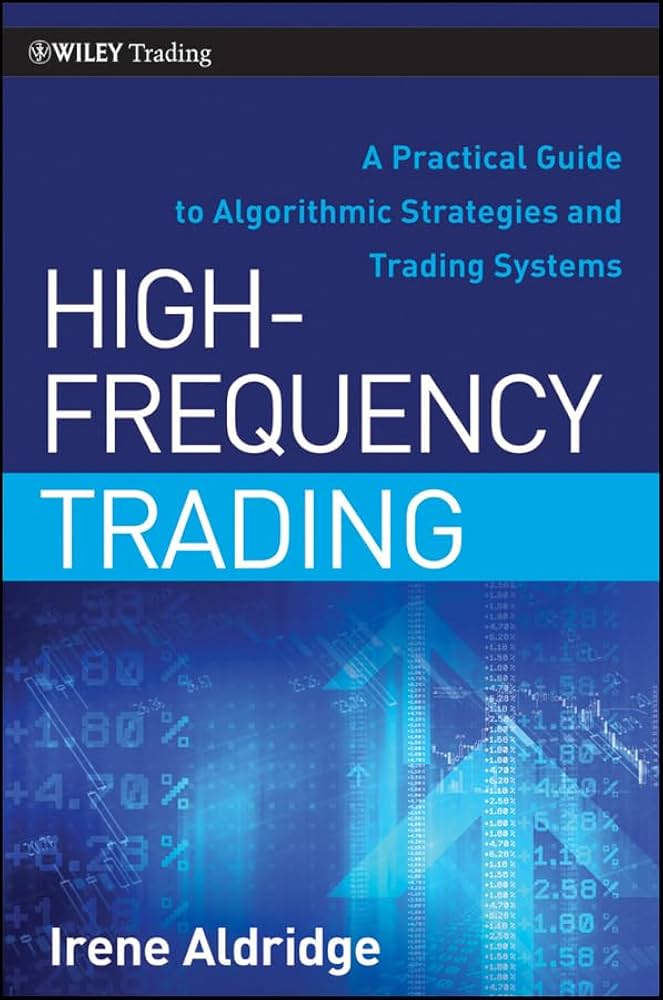
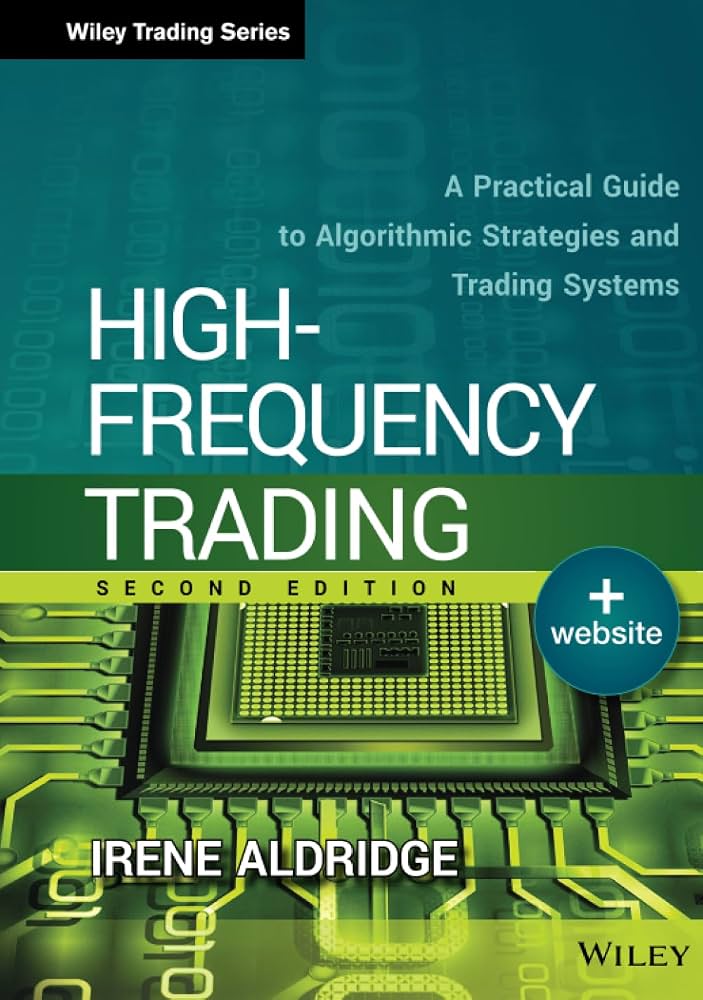

As an Amazon Associate, we may earn from qualifying purchases.
No comments yet. Be the first to share your thoughts!