Solana Market Structure for HFT
Solana’s architecture is built for speed, but that speed creates a unique set of challenges and opportunities for high-frequency trading. Unlike Ethereum’s block-by-block model, Solana operates on a continuous stream of blocks, allowing for near-instant transaction finality. For HFT algorithms, this means the gap between signal and execution is measured in milliseconds rather than seconds.
Block Time and Throughput
The network currently processes blocks approximately every 400 milliseconds. While this might seem slow compared to traditional high-frequency markets, the throughput is where Solana shines. With a theoretical capacity of 65,000 transactions per second (TPS), the network can handle the volume of complex DeFi interactions without the gridlock seen in other ecosystems. This low latency is critical for strategies like arbitrage, where price discrepancies between DEXs can vanish in a single block.
However, throughput is not uniform. During periods of high congestion, transaction inclusion becomes competitive. HFT firms must prioritize their transactions using prioritization fees, effectively paying a premium to jump the queue. This dynamic turns block space into a commodity, and understanding the cost-benefit of these fees is part of the infrastructure equation.
Fee Structure and Cost Efficiency
Transaction fees on Solana are negligible, typically costing fractions of a cent. This low cost structure enables strategies that are prohibitively expensive on other chains, such as micro-arbitrage or high-frequency market making. In these models, profit margins are thin, and high gas fees would erase any potential gain. Solana’s fee model allows traders to execute thousands of transactions per day without the cost barrier that exists in Ethereum’s EVM environment.
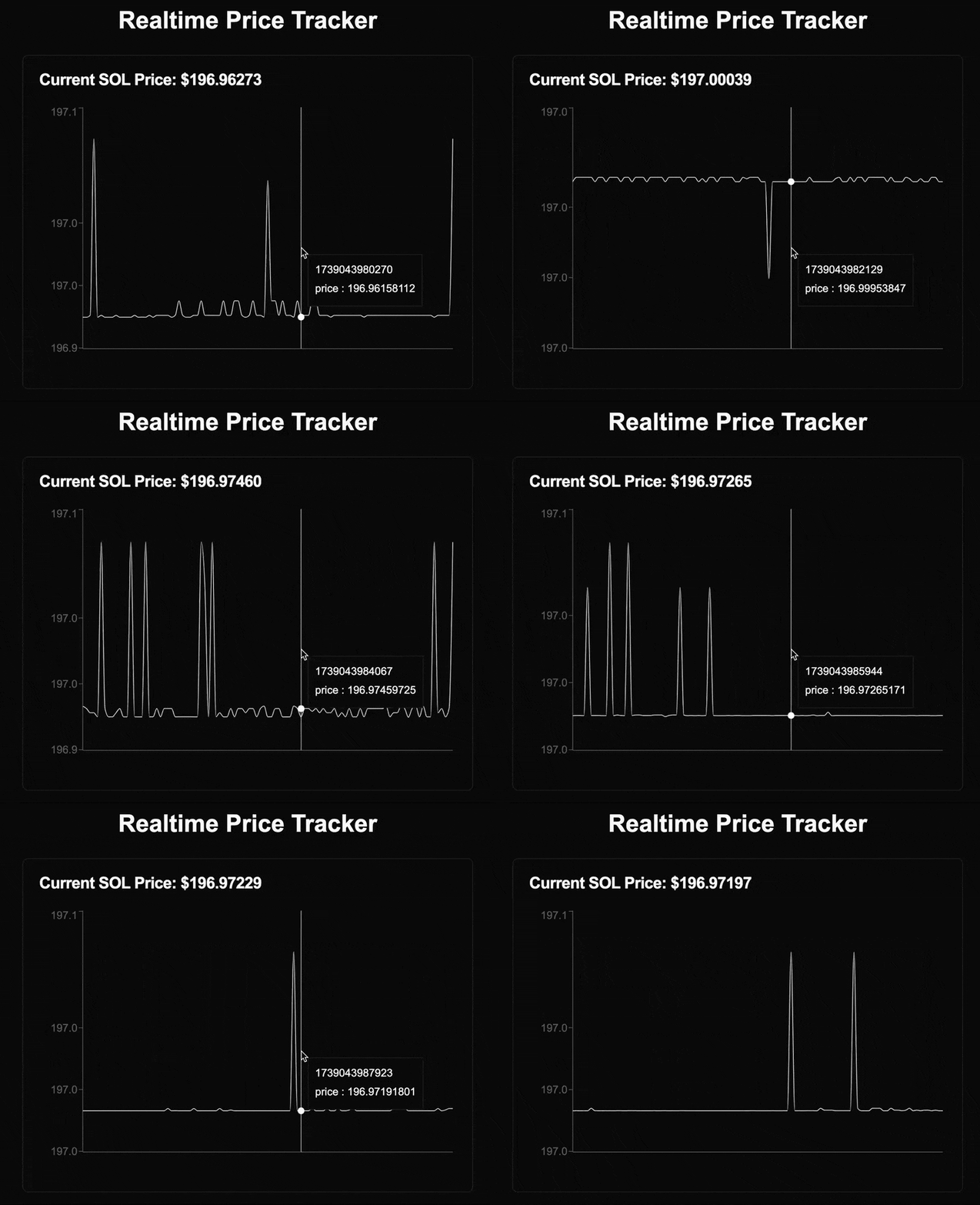
To visualize the current market context and volatility that drives these high-frequency opportunities, refer to the live SOL/USD chart below.
The RPC Layer
The final piece of the infrastructure puzzle is the RPC (Remote Procedure Call) layer. Accessing the Solana blockchain requires reliable RPC nodes. For HFT, standard public RPC endpoints are often too slow or rate-limited. Professional traders typically use dedicated, high-performance RPC providers or run their own validator nodes to ensure the lowest possible latency. The reliability of this connection directly impacts the success of time-sensitive strategies, making infrastructure choice as important as the trading algorithm itself.
Build low-latency infrastructure
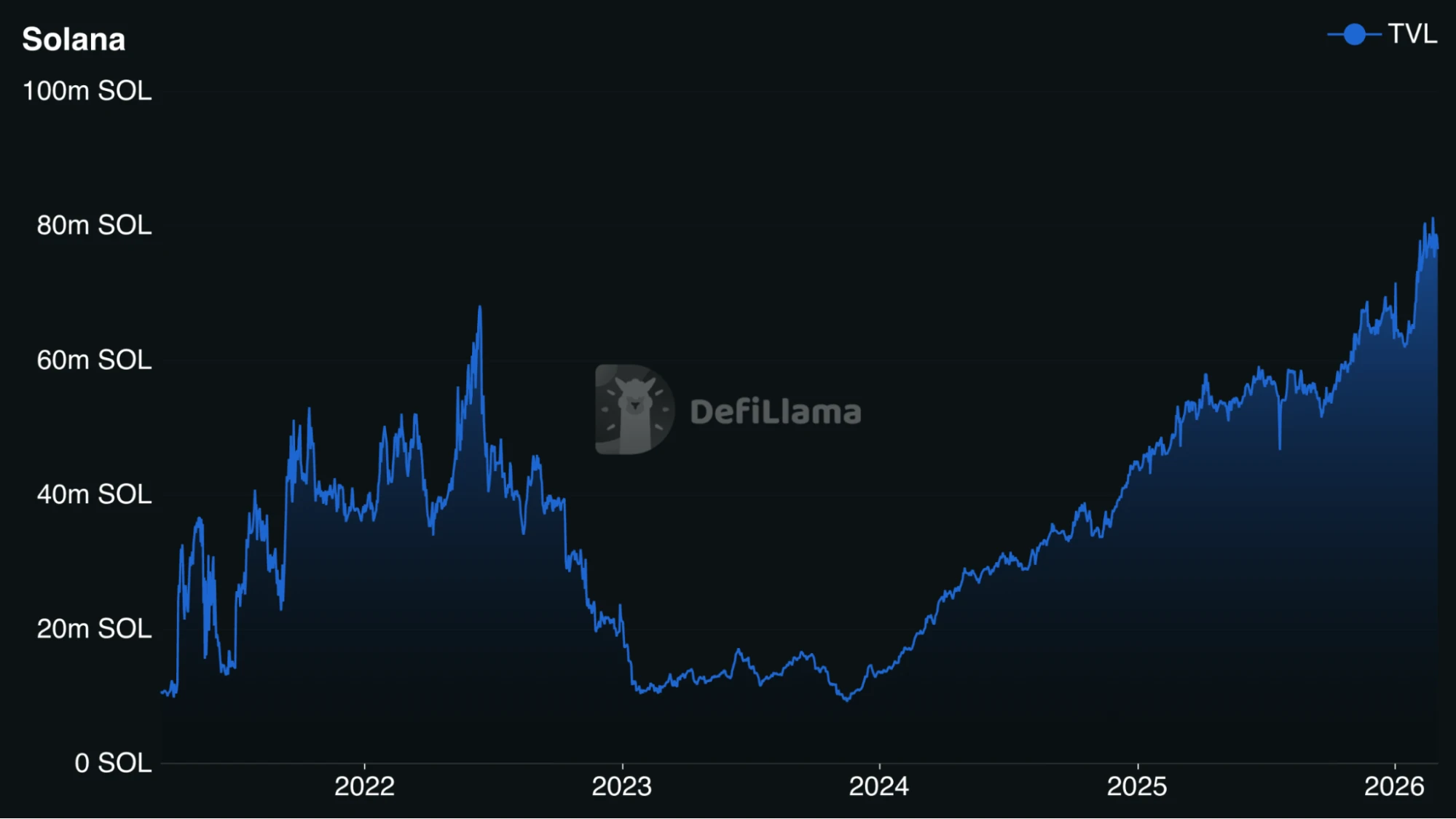
High-frequency trading on Solana isn't just about having the best strategy; it's about having the fastest pipe. In 2026, the margin between profit and loss is measured in microseconds, and the infrastructure stack must reflect that reality. You need a setup that minimizes every hop from your code to the network.
Start with your RPC layer. Public endpoints are useless for HFT because they queue your transactions behind retail traffic. You need a private RPC endpoint, often provided by specialized infrastructure vendors or through dedicated node hosting. This bypasses the public mempool congestion, giving your transactions a direct line to the validator. Without this, your latency is unpredictable and likely too high to compete.
Colocation is the next critical step. Running your trading bots on the same server rack as the Solana validators—or even in the same data center—slashes network propagation time. If you're trading on mainnet, your servers should be geographically close to the primary validator clusters. This isn't optional for serious HFT; it's the baseline. The difference between a 50ms round-trip and a 5ms round-trip can mean the difference in front-running success or failure.
Finally, optimize your transaction serialization. Use native Solana tools to pack as many instructions into a single transaction as possible. This reduces the number of transactions you need to send and the overall network load. Combine this with priority fees to ensure your transactions are processed during high-traffic periods. The goal is to make your trade as small and efficient as possible.
Comparing Solana trading platforms
Choosing the right infrastructure depends on your strategy. Solana’s high throughput supports different execution models, from spot arbitrage to memecoin momentum trading. Below is a comparison of three primary platforms used for high-frequency activity.
| Platform | Latency | Fees | Best Strategies |
|---|---|---|---|
| Jupiter | ~400ms | 0.05% (swap) | Spot arbitrage, large size execution |
| Photon | <50ms | 0.25% (trading fee) | Memecoin momentum, fast scalping |
| Definitive | <10ms (JIT) | Variable (JIT liquidity) | JIT liquidity provision, HFT |
Jupiter remains the standard for spot trading due to its deep liquidity and reliable routing. It is the go-to for larger orders where slippage matters more than microsecond latency. Photon offers a faster, more aggressive interface suited for memecoin trading, where speed is critical. Definitive provides Just-In-Time (JIT) liquidity, allowing for lower fees and better prices for high-frequency traders who can provide capital.
For traders looking to set up a physical workspace for monitoring these platforms, consider the following hardware essentials. A multi-monitor setup is non-negotiable for tracking real-time order books and charting simultaneously.



As an Amazon Associate, we may earn from qualifying purchases.
Executing high-frequency strategies
Running HFT on Solana requires treating latency as your primary asset. Unlike traditional markets where milliseconds matter, Solana’s sub-second block times demand microsecond precision. You aren’t just trading price; you are racing the mempool to get your transaction included before the state updates. This section covers the practical application of arbitrage, market making, and copy-trading bots, focusing on the infrastructure needed to survive in 2026.
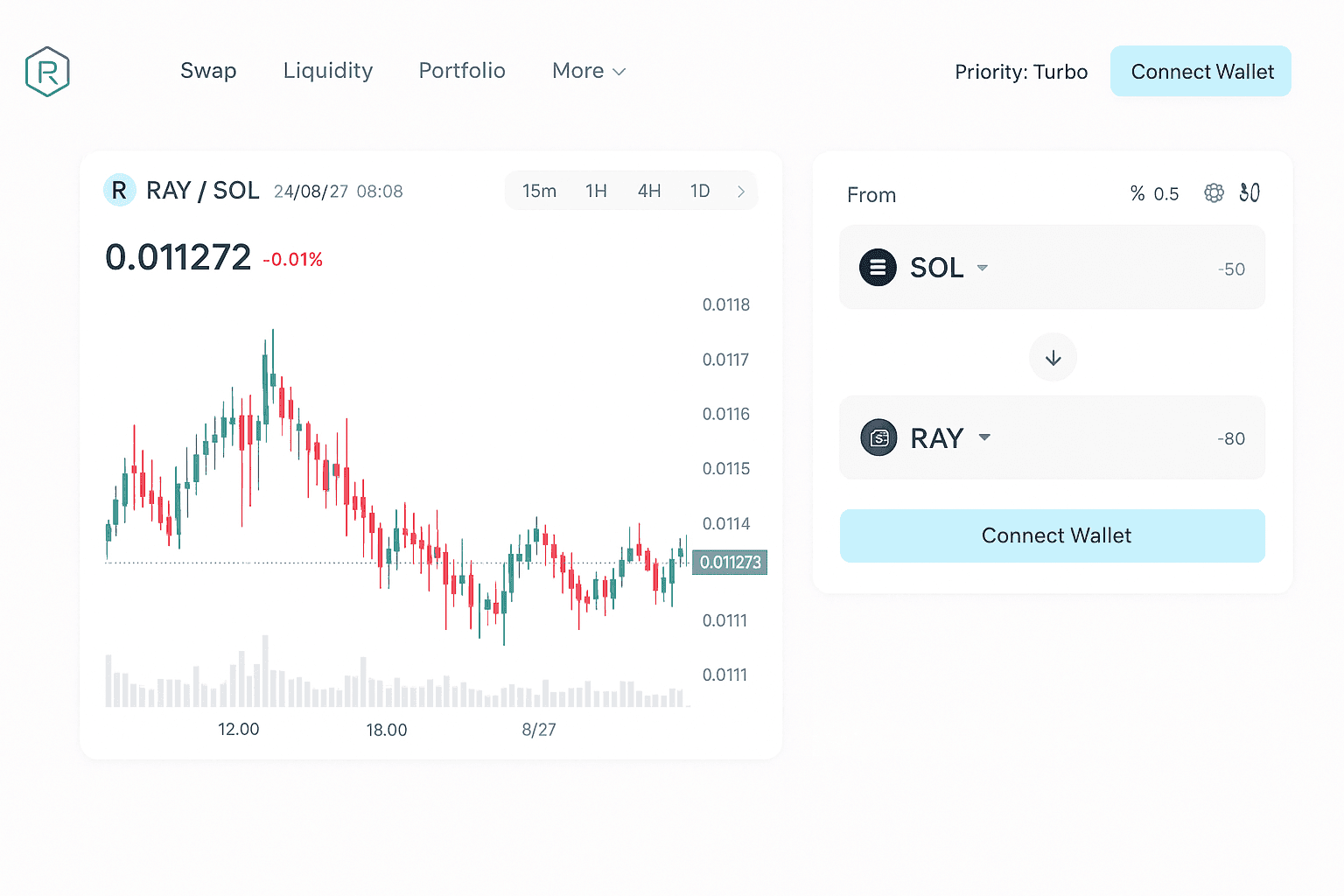
Your node location dictates your edge. Connect to a Solana validator in the same data center or region as your trading engine. Use a dedicated RPC endpoint with high throughput to avoid rate limits during volatility. If you’re trading on Raydium or Orca, ensure your RPC provider offers private transaction submission to reduce front-running risk. Every hop adds latency; minimize them.
Standard JSON parsing is too slow for HFT. Use binary deserialization libraries (like Rust’s bincode or optimized TypeScript parsers) to decode Solana transactions directly from the gRPC stream. You need to identify relevant trades, liquidity pool changes, or arbitrage opportunities the moment they hit the mempool. If you’re waiting for the transaction to land on-chain to react, you’ve already lost.
Arbitrage bots scan for price discrepancies across DEXs (e.g., Raydium vs. Orca) and execute simultaneous buy/sell orders. Market making bots provide liquidity by placing limit orders on both sides of the book, profiting from the spread. For 2026, focus on stablecoin pairs and high-volume SOL assets where spreads are tight but volume is sufficient to cover transaction costs. Use atomic transactions to ensure if one leg fails, the other doesn’t execute, protecting your capital.
Copy-trading bots monitor specific wallets (whales or successful strategies) and replicate their trades. While easier to implement, they lag behind direct HFT. Enhance this with sentiment triggers from on-chain data or social signals. Use tools like Coinrule or custom scripts to automate entry/exit based on predefined rules. This layer works best for medium-frequency strategies where you don’t need microsecond advantage but still want automation.
HFT amplifies both gains and losses. Implement hard stops, position limits, and circuit breakers. If your bot detects anomalous network congestion or a sudden spike in transaction fees, pause trading immediately. Never run bots with unlimited capital. Start with small test allocations to validate latency and execution logic before scaling. Remember: a bug in an HFT bot can drain your wallet in seconds.
The difference between profitability and ruin lies in execution speed and risk controls. Infrastructure choices—like node location and parsing efficiency—determine if you can compete. Strategy choices—like arbitrage vs. market making—determine your revenue model. Combine them with rigorous testing, and you’ll have a robust HFT setup on Solana.
Profitability and legal considerations
High-frequency trading on Solana is a volume game, not a lottery. The infrastructure required to compete—low-latency RPC nodes, MEV-resistant strategies, and direct validator connections—creates a high barrier to entry that filters out casual participants. Profitability depends on execution speed and fee structures, not just market direction.
Is HFT still profitable?
Yes, but margins are thin. On-chain HFT relies on capturing tiny price discrepancies across decentralized exchanges. With Solana’s sub-second finality, the window for arbitrage is narrow. You are competing against other algorithms with similar infrastructure. Profitability is sustainable only if your transaction costs (prioritization fees) are lower than the spread you capture.
Is HFT trading illegal?
No, HFT is legal in crypto. Unlike traditional finance, where regulations like Reg NMS create complex compliance layers, on-chain trading is permissionless. However, you must adhere to local securities laws regarding the assets you trade. MEV (Maximal Extractable Value) strategies, such as front-running, are technically possible but increasingly mitigated by protocols like Jito, making them less viable and potentially unethical.
Can you make $1,000 a day with day trading?
It is possible, but not guaranteed. This level of income requires significant capital and sophisticated automation. For a retail trader using manual or semi-automated strategies, the overhead costs (data feeds, node maintenance) often outweigh the returns. HFT firms succeed through scale and infrastructure; individual traders rarely replicate this without substantial investment.
Can you make $100 a day trading crypto?
This is a more realistic target for small-scale HFT bots. With lower capital requirements, you can capture smaller spreads. However, consistency is key. Market volatility can dry up opportunities, and network congestion can spike fees, eating into profits. Track your net PnL after fees, not just gross revenue.
No comments yet. Be the first to share your thoughts!