The Hardware Reality of Solana HFT
Building a Solana high-frequency DeFi trading tool starts before you write a single line of code. It starts with infrastructure. Solana’s architecture is designed for speed, processing thousands of transactions per second with sub-second finality. But that speed is only useful if your trading bot can react to it faster than the competition. The gap between a profitable HFT strategy and a failed experiment often comes down to milliseconds—and those milliseconds are determined by your RPC nodes, your hardware, and your network topology, not just your algorithm.
Latency is the Product
In high-frequency trading on Solana, latency isn't just a metric; it's the product. You are selling speed. If your bot takes 500 milliseconds to receive a price update from a public RPC endpoint, you are already late. Public endpoints are shared resources, subject to rate limits and network congestion. For HFT, you need dedicated, high-performance infrastructure. This means running your own validator node or using a premium, dedicated RPC service like those offered by specialized providers. The goal is to minimize the round-trip time between your strategy’s decision logic and the blockchain’s execution layer.
Hardware and Network Topology
Software optimization has limits. To squeeze out every microsecond, you need to get physically closer to the network. This is why many serious HFT operations co-locate their servers in data centers near major Solana validator clusters, particularly in regions like Tokyo, Frankfurt, or New York, depending on where the primary network traffic flows. The physical distance between your server and the validator matters. A fiber optic cable adds time. By reducing that distance, you reduce the latency inherent in the transmission of your transactions.
The Infrastructure Stack
Your stack should look less like a standard web application and more like a trading desk. This includes:
- Dedicated RPC Nodes: Avoid shared endpoints. Use dedicated nodes that guarantee uptime and low latency.
- Co-location: Host your servers in data centers adjacent to validator infrastructure.
- Optimized Client Libraries: Use lightweight, non-blocking I/O libraries that can handle thousands of concurrent connections without overhead.
- Direct Validator Connections: For the most aggressive strategies, bypassing standard RPC layers to connect directly to validators can provide a significant edge.
The market moves fast. Your infrastructure needs to move faster. Without this baseline, even the most sophisticated DeFi trading tool will struggle to compete in the high-frequency arena.
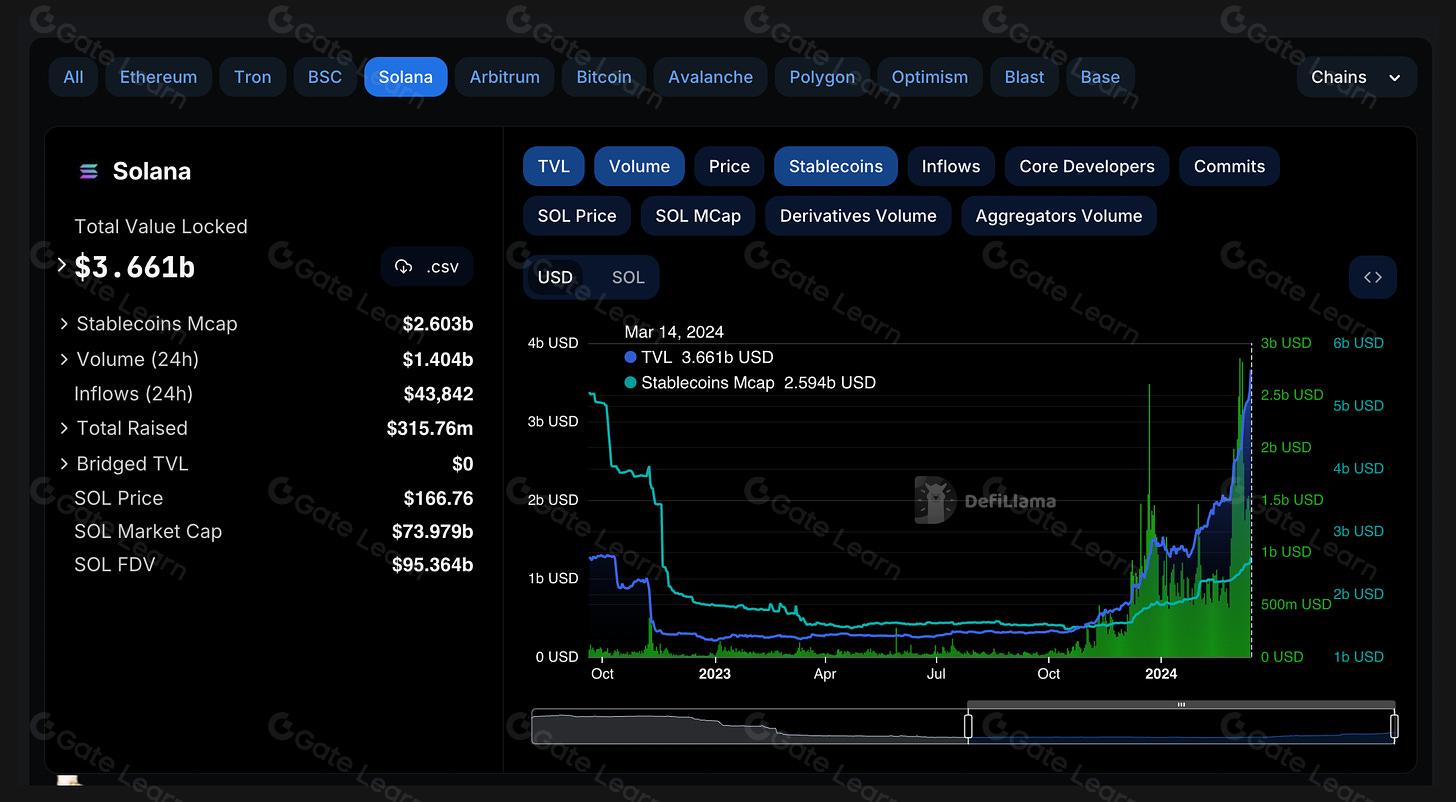
Top RPC and node providers for speed
Standard public RPCs are the bottleneck for solana high-frequency defi trading tools. They share bandwidth with millions of users, leading to queueing delays and failed transactions when the network congests. HFT requires dedicated, private infrastructure that routes transactions directly to validators without the noise of public endpoints.
Providers like Helius and Triton offer private RPC nodes specifically engineered for this latency. They provide features like transaction prioritization fees integration and dedicated support channels, ensuring your trades hit the block before others. These services often include real-time account updates and webhook support, allowing bots to react to market changes in milliseconds rather than seconds.
For the most aggressive strategies, some teams build their own nodes or use specialized services like RPCFast. These solutions focus on ultra-low latency by running nodes on hardware geographically close to validator clusters. The trade-off is cost; dedicated HFT infrastructure is significantly more expensive than shared public access, but the speed difference is the margin between profit and loss.
| Provider | Type | Key Feature for HFT |
|---|---|---|
| Helius | Commercial RPC | Real-time data & private endpoints |
| Triton | Commercial RPC | High throughput & low latency |
| RPCFast | Specialized Node | Ultra-low latency routing |
| Public RPC | Shared | None (High latency/Queuing) |
Execution bots and DEX aggregators
Automated execution is the backbone of high-frequency trading on Solana. These tools bridge the gap between market signals and order placement, handling the latency that human hands cannot. They fall into two distinct categories: bots that execute trades on your behalf and aggregators that find the best liquidity across decentralized exchanges.
Solana Trading Bots
Bots like Coinrule and Kryptobees automate the repetitive mechanics of trading. They monitor on-chain activity and execute orders based on pre-set conditions. This allows traders to run high-frequency strategies without staring at charts. Entry tiers typically support moderate activity, while higher plans unlock unlimited bots for aggressive scaling across Solana DEXs and centralized exchanges.
These programs process huge transactions in seconds, leveraging Solana’s speed. They are essential for capturing small price discrepancies that disappear before a manual click. However, they require careful configuration to avoid slippage during volatile market swings.
MEV-Protected Aggregators
Aggregators like Jupiter route your trades through multiple liquidity pools to ensure you get the best price. For high-frequency traders, MEV (Maximal Extractable Value) protection is critical. Standard aggregators can expose trades to front-running bots. MEV-protected versions use private transaction relays to hide order details until the trade is confirmed, preventing predatory extraction.
When combining bots with aggregators, you create a system that acts faster than the market. The bot sees the signal, and the aggregator ensures the execution is efficient and secure. This infrastructure is what separates professional HFT operations from retail speculation.
Real-time data visualization and whale tracking
High-frequency trading on Solana moves too fast for manual checks. You need dashboards that aggregate on-chain data, mempool status, and liquidity pools into a single view. Without real-time feeds, you are trading on stale prices that no longer exist.
Tools like Helius and Birdeye provide the necessary infrastructure to monitor whale wallets and track large movements in liquidity pools. These platforms allow you to set alerts for specific token transfers or pool changes, giving you the edge needed to act before the market adjusts.
For deeper technical analysis, integrate a live chart to monitor the specific assets you are trading. This helps you visualize volatility and volume spikes in real time.
When building your setup, prioritize tools that offer low-latency data feeds. The best Solana high-frequency DeFi trading tools are those that minimize the time between seeing a signal and executing a trade. Focus on platforms that provide direct RPC endpoints and WebSocket connections for instant updates.
Build a reliable Solana HFT environment
Setting up Solana high-frequency DeFi trading tools requires more than just software; it demands a specific infrastructure stack to handle microsecond latency. If your node lags, your strategy fails. Here is the workflow to build a robust HFT environment.
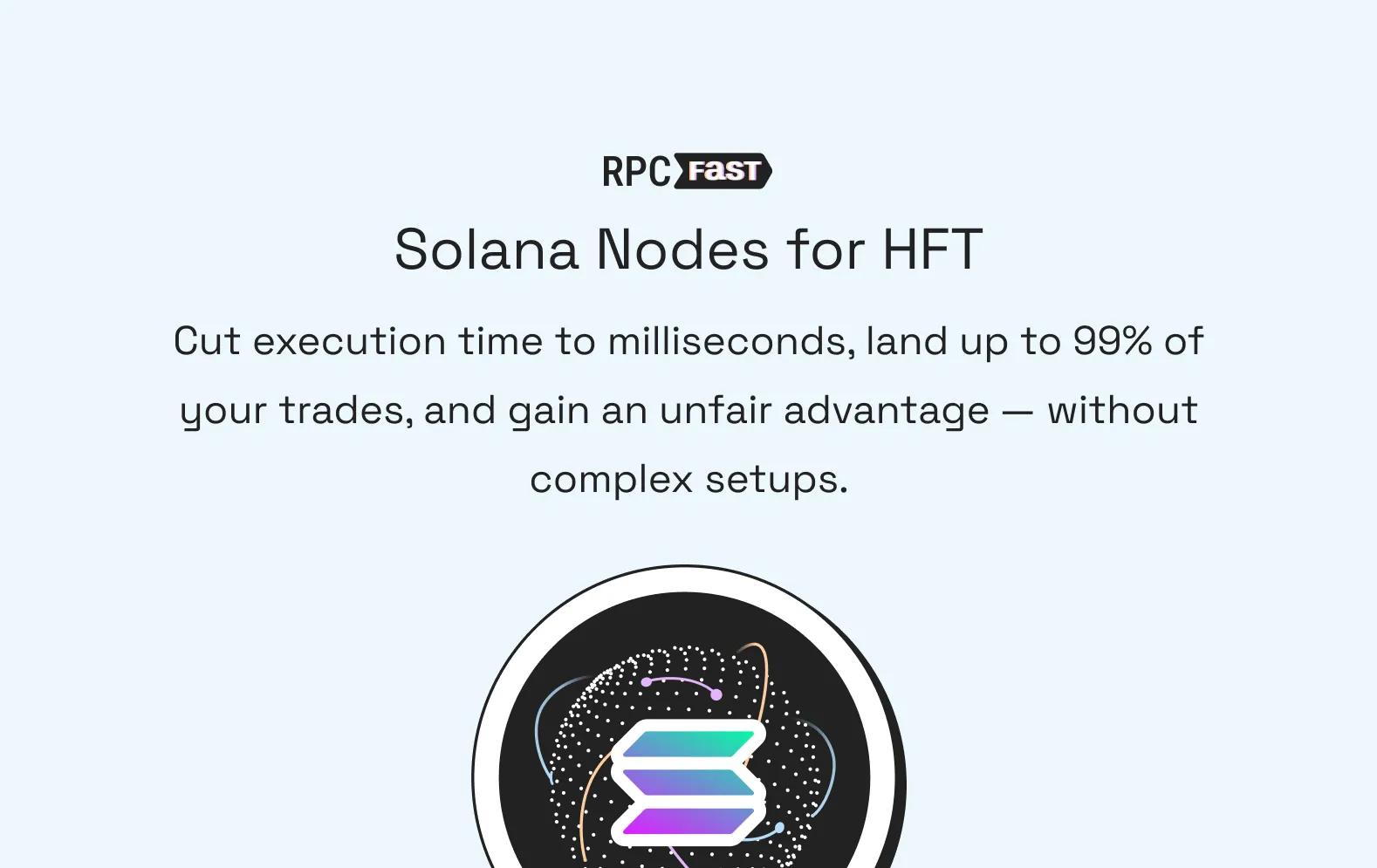
Public RPC endpoints are too slow for HFT. You need dedicated hardware or enterprise-grade private nodes that offer real-time transaction feeds and private routing. This eliminates the noise and latency that causes failed trades in competitive environments.
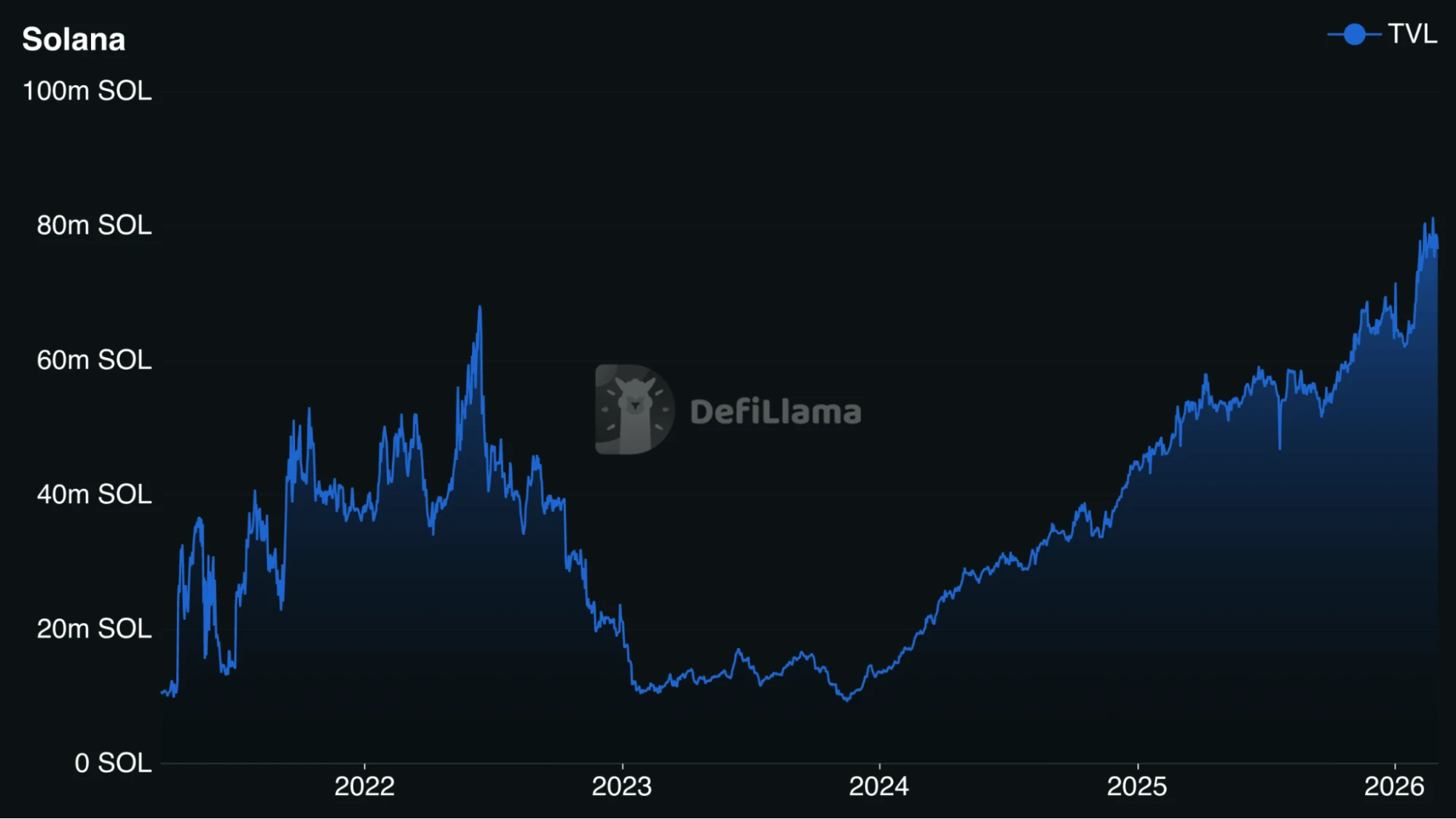
Your execution layer must sit physically close to the validator network to minimize propagation time. Optimize your network stack and use direct UDP connections where possible. The goal is to push transactions into the mempool before the block is finalized.
Solana trading bots automate the execution of these strategies, processing huge transactions in seconds. Before using real capital, run your bots in a simulation environment. Test edge cases like slippage, failed transactions, and network congestion to ensure reliability.
Common questions about Solana high-frequency DeFi trading tools
Is HFT trading illegal?
No, high-frequency trading is not illegal on Solana. It operates within the same legal framework as traditional finance, provided it adheres to securities laws and exchange terms. However, some platforms may restrict bot usage, so always verify the rules of the specific DEX or aggregator you are using.
What is the best trading bot for Solana?
The "best" tool depends on your strategy. For pure speed, custom Rust-based bots offer the lowest latency. For most traders, specialized terminals like Photon or Jupiter’s API integrations provide the best balance of speed and usability. There is no single winner; choose based on your technical comfort and specific edge.
What are the top DeFi projects on Solana?
For HFT, infrastructure matters most. Jupiter (JUP) remains the primary aggregator for liquidity. Raydium and Orca are the top venues for market-making and arbitrage. Analytics tools like Birdeye or DexScreener are essential for real-time data feeds that drive these strategies.
Helpful gear
Use these product recommendations as a starting point, then choose the size, material, and price point that fit how you actually use the gear.

As an Amazon Associate, we may earn from qualifying purchases.
No comments yet. Be the first to share your thoughts!