Why Solana suits high-frequency trading
High-frequency trading on Solana isn't just about speed; it's about the structural ability to execute complex strategies without the friction that kills profitability on other chains. The network's unique architecture allows for millisecond settlement times and transaction costs that are effectively negligible compared to Ethereum or Layer 2s. This means a strategy relying on dozens of micro-transactions per second remains viable, whereas similar activity on other networks would be erased by gas fees or blocked by network congestion.
The core advantage lies in parallelization. Solana processes transactions in parallel rather than sequentially, which prevents the "gridlock" seen on other L1s during high-volume periods. For an HFT bot, this consistency is critical. You don't need to guess if your transaction will land in the next block or get delayed for minutes due to a mempool backlog. The deterministic finality ensures that your logic holds up in real-time execution environments.
This infrastructure supports the rapid iteration of DeFi protocols. As noted in Solana's official documentation, developers can integrate DEXs and oracles to build systems that settle in milliseconds for fractions of a cent. This low-latency environment is where HFT strategies find their edge, allowing for arbitrage and market-making tactics that are simply not feasible on slower, more expensive chains.
Build the Low-Latency Stack
High-frequency trading on Solana requires a technical stack optimized for microsecond execution. The margin between profit and loss often comes down to network latency and transaction ordering, not just strategy. You need infrastructure that minimizes every millisecond from signal generation to on-chain confirmation.
RPC Optimization and Node Placement
Standard public RPC endpoints are too slow for HFT. You need a dedicated, high-performance node connection, ideally through a provider that offers optimized endpoints or self-hosted validators. The goal is to bypass network congestion and reduce the time between sending a transaction and receiving a response. Consider co-locating your servers near major Solana validator regions to reduce physical network latency.
MEV Protection with Jito
On Solana, MEV (Maximal Extractable Value) is a significant risk. Without protection, your trades can be front-run or sandwiched by other bots. Integrating Jito bundles allows you to send transactions with a specific ordering preference, ensuring your trades execute as intended rather than being exploited by MEV bots. This is not optional for serious HFT operations; it is a core component of your execution logic.
Technical Analysis and Execution
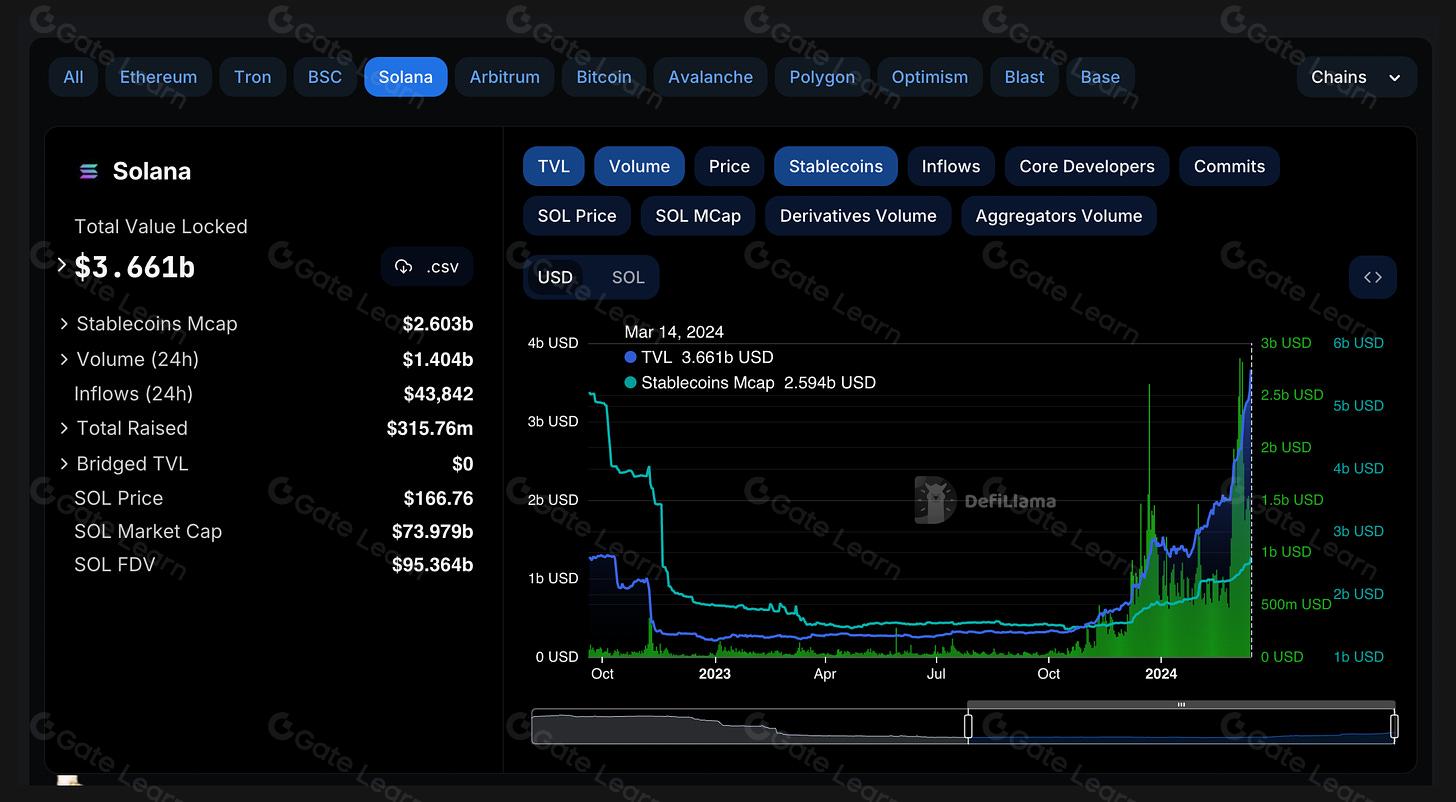
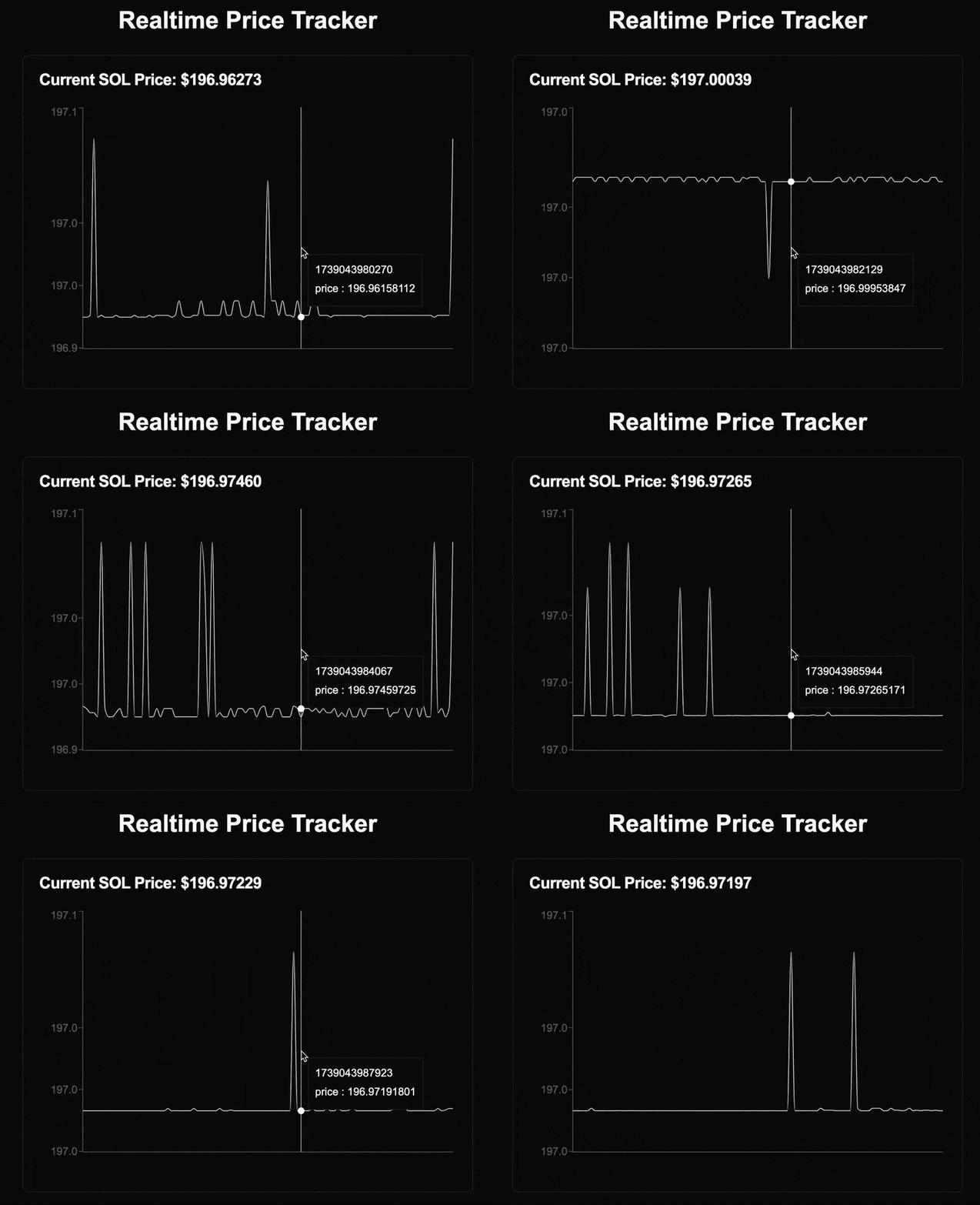
Monitoring real-time market data and volatility is essential for timing entries and exits. The chart below shows SOL/USDT volatility, which can indicate optimal windows for HFT activity.
Infrastructure Checklist
-
Deploy dedicated validator or optimized RPC endpoint
-
Co-locate servers near top Solana validator regions
-
Integrate Jito for MEV protection and bundle submission
-
Implement custom transaction serialization for speed
-
Set up real-time monitoring for latency and failure rates
Compare Top Solana Trading Platforms
High-frequency trading on Solana relies on infrastructure that prioritizes speed and liquidity depth over user interface polish. For HFT strategies, the choice of exchange or aggregator determines execution quality more than market direction. The following platforms serve distinct segments, from memecoin snipers to institutional desks, each optimizing for specific latency or cost constraints.
| Platform | Primary Use Case | Avg. Latency | Fee Structure |
|---|---|---|---|
| Jupiter | Aggregator / Best Execution | ~200ms | Dynamic (slippage-based) |
| Raydium | AMM / Liquidity Pools | ~400ms | Low (fixed percentage) |
| Orca | User-Friendly DEX | ~450ms | Low (fixed percentage) |
| Meteora | Dynamic LP / Yield | ~350ms | Variable (pool type) |
Jupiter acts as the primary liquidity aggregator, scanning multiple DEXs to find the best price. It is the default choice for most HFT bots because it minimizes slippage on large orders. Raydium remains essential for direct interaction with concentrated liquidity positions, particularly for tokens launched via its launchpad.
For traders executing high-volume strategies, direct API access to Jupiter’s routing engine or Raydium’s AMM contracts reduces overhead. These platforms offer the deepest order books and the most consistent execution paths, which are critical when trading volatile assets where price movements occur in milliseconds.
Essential tooling for strategy development
Building a high-frequency trading strategy on Solana requires more than just a good algorithm; it demands a specific stack of infrastructure tools to handle speed, data, and execution safety. The gap between a backtested strategy and a live one is bridged by these components.
Data Streaming and RPC Infrastructure
Speed is the primary bottleneck. Standard RPC providers often introduce latency that makes HFT unviable. You need low-latency data streaming services like Yellowstone gRPC to receive block updates in real-time. This allows your bot to react to new blocks before they are fully propagated across the network.
Pair this with a dedicated RPC node optimized for HFT, such as those offered by Helius or Triton. These providers offer prioritized endpoints that reduce the time between transaction submission and confirmation. Without this infrastructure, your trades will likely lag behind the market.
SDKs and Execution Libraries
For execution, you need SDKs that allow for direct transaction construction and signing. The official @solana/web3.js library is the foundation, but for HFT, you often need lighter, faster alternatives or specialized wrappers. Libraries like @jup-ag/core are essential if you are interacting with Jupiter for complex swaps, as they handle route optimization automatically.
Simulation and Safety Layers
Failed transactions cost money in priority fees. You must integrate transaction simulation into your workflow. Tools like the Metaplex simulation API or local node simulation allow you to test trades before sending them to the network. This step is critical to avoid wasting SOL on failed attempts.
Hardware and external trading resources
Running a high-frequency trading bot on Solana requires hardware that minimizes latency at every layer. The goal is to keep your node as close to the validator as possible, reducing the time it takes for a transaction to leave your machine and return.
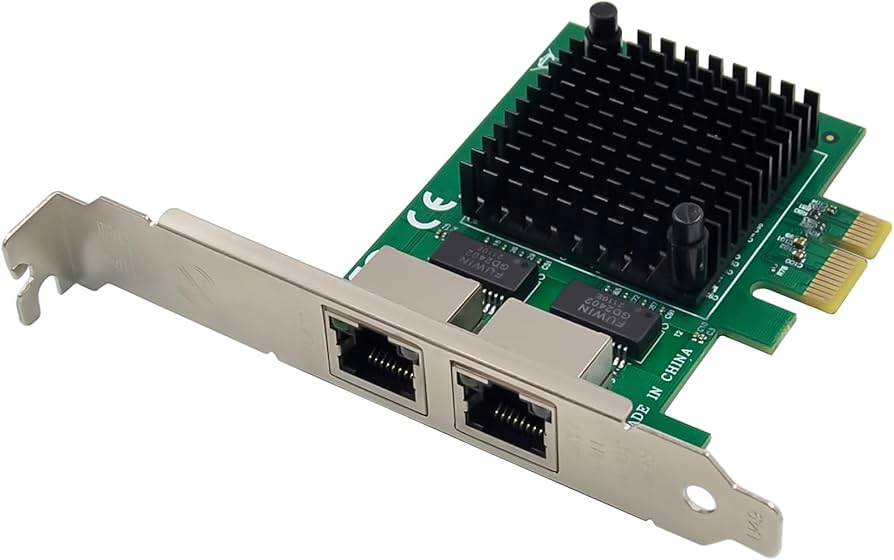
For compute, modern multi-core CPUs like the AMD Ryzen 9 or Intel Core i9 series handle the cryptographic signing of transactions faster than older models. Pair this with 64GB of high-speed DDR5 RAM to ensure your node can process incoming blocks without dropping packets during congestion. A dedicated 10GbE network interface card is non-negotiable; standard 1GbE ports will bottleneck your throughput, causing missed opportunities when the market moves fast.


As an Amazon Associate, we may earn from qualifying purchases.
Beyond the box, external resources matter. You need a dedicated server location near major validator clusters, typically in regions like Tokyo, Singapore, or Northern Virginia. Consider using a VPS provider that offers bare-metal instances with direct network paths to Solana validators. For data feeds, subscribe to a reliable RPC provider that supports high-throughput WebSocket connections, ensuring you receive state updates before the public mempool.
No comments yet. Be the first to share your thoughts!