Why Solana fits high-frequency trading
High-frequency trading on Solana isn't just about speed; it's about the structural alignment of block production and transaction costs. Unlike Ethereum, where gas wars can stall execution, Solana’s architecture allows for predictable, near-instant finality. This predictability is the bedrock of any algorithmic strategy that relies on millisecond advantages.
The network processes blocks roughly every 400 milliseconds, a rhythm that active traders find ideal for continuous position management. This frequency allows for rapid rebalancing and exit strategies that simply aren't feasible on slower chains. As noted by practitioners building HFT bots, this cadence supports active management without the need for aggressive front-running tactics, which are often restricted or penalized.
Cost efficiency is the other half of the equation. Transaction fees on Solana are negligible, often fractions of a cent. For strategies that execute hundreds or thousands of trades per day, these micro-fees prevent margin erosion. On other networks, the same volume of activity could consume significant capital in gas, turning a theoretically profitable algorithm into a net loss.
This combination of speed and low cost creates a unique market structure. It allows traders to compete on logic and latency rather than capital reserves for gas. The infrastructure supports the high-throughput demands of DeFi arbitrage and market making, making it the preferred choice for firms focused on high-frequency execution.
Latency is your P&L
In high-frequency trading, your strategy is only as good as your ability to execute it. On Solana, the difference between a profitable trade and a failed one often comes down to milliseconds. Infrastructure latency isn't just a technical metric; it is your direct P&L. Faster pipes beat faster strategies every time.
The Solana blockchain processes blocks in roughly 400 milliseconds. For an HFT bot, this window is vast, but the competition is fierce. You need sub-50ms execution to capture opportunities before the block finalizes. This requires more than just a fast internet connection; it demands a dedicated infrastructure stack.
Direct Node Access
Running a full validator or a dedicated archive node gives you the lowest possible latency. You bypass public RPC providers that throttle requests or introduce network hops. By connecting directly to the validator, you receive transaction updates in real-time, allowing your bot to react instantly to market movements.
Colocation and Proximity
Where your server sits matters. Hosting your trading bot in the same data center as your Solana validator or using a provider with optimized routing reduces physical transmission time. Even a few milliseconds of delay can mean the difference between front-running a trade or getting reaped by someone else.
RPC Optimization
If you cannot run a full node, optimize your RPC usage. Use dedicated RPC endpoints with guaranteed uptime and priority fee handling. Public RPCs are unreliable for HFT; they often drop requests during high congestion. A paid, dedicated RPC service ensures your transactions are prioritized and delivered without unnecessary delays.
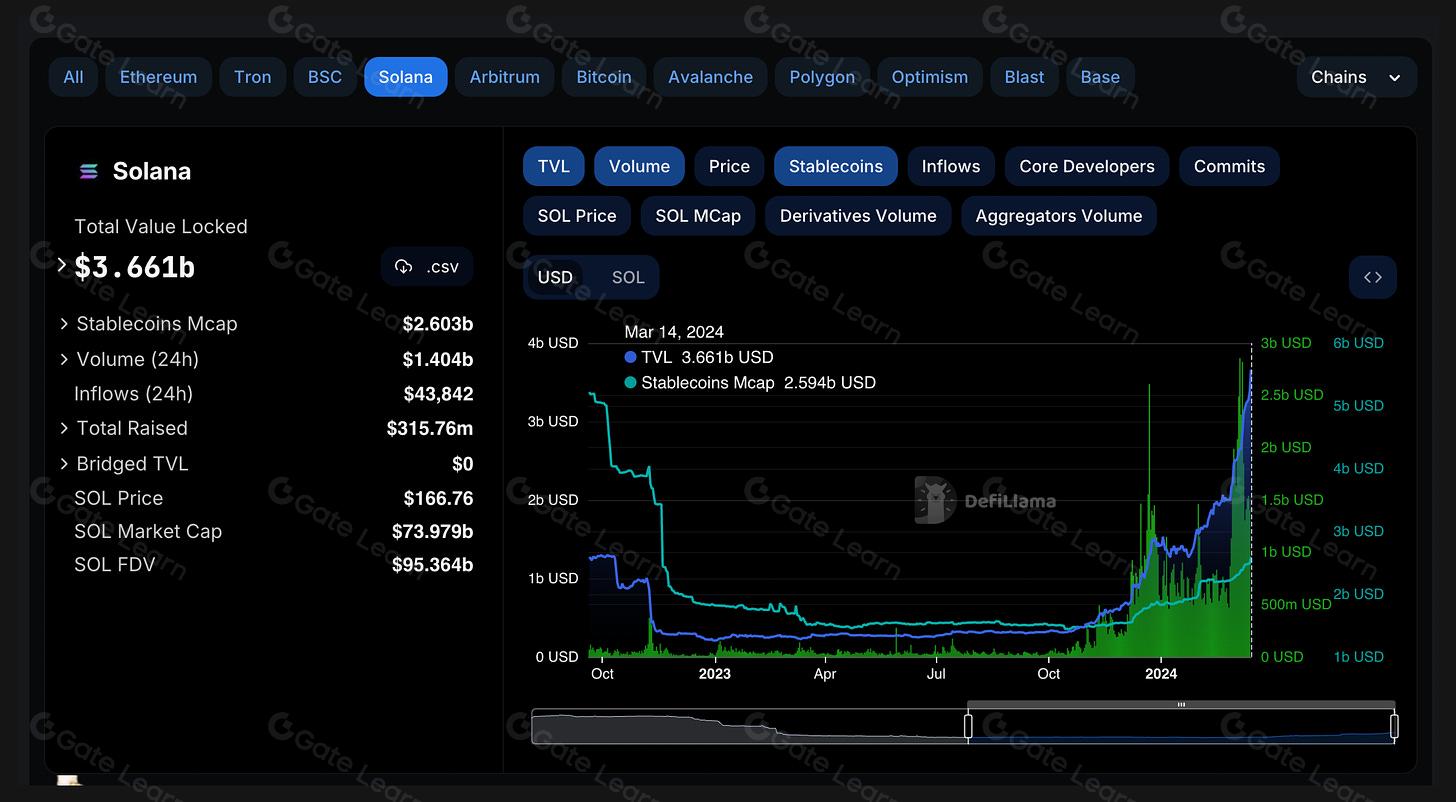
The volatility of Solana’s DeFi ecosystem creates frequent trading opportunities, but only for those who can act fast. A
shows the rapid price swings that HFT strategies target. Without low-latency infrastructure, these swings are missed entirely.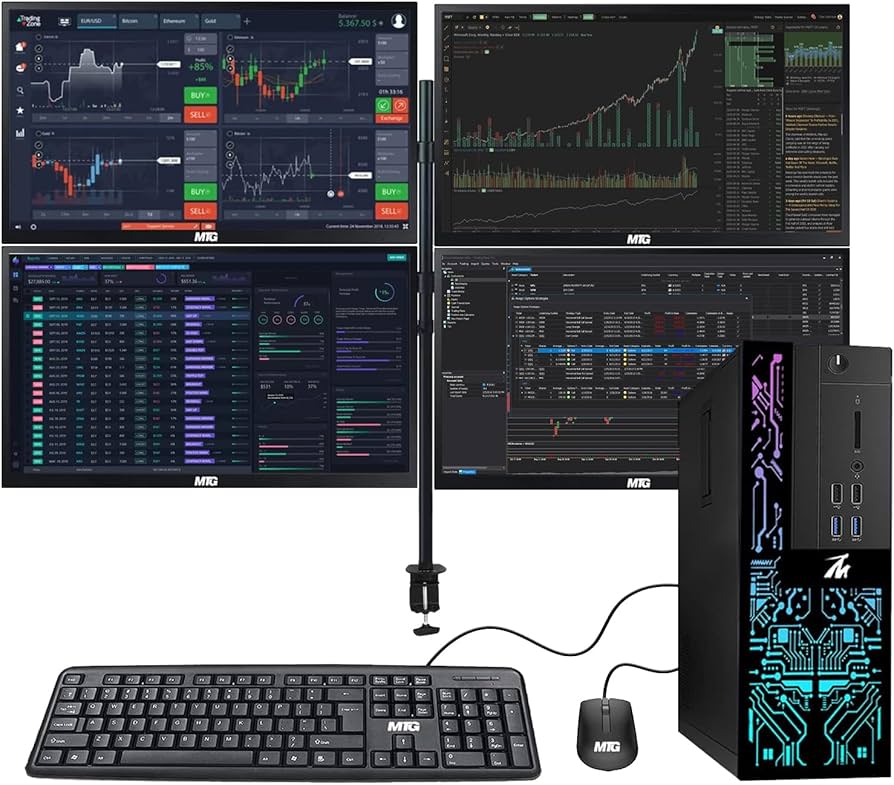


As an Amazon Associate, we may earn from qualifying purchases.
Best DEXs for HFT execution
High-frequency trading on Solana demands infrastructure that prioritizes latency and capital efficiency over user-friendly interfaces. While retail traders might favor visual dashboards, HFT algorithms require direct access to order books, predictable slippage, and robust API endpoints. The following comparison focuses on Raydium, Orca, and Jupiter, evaluating them specifically for their suitability in automated, high-speed execution strategies.
Execution Infrastructure Comparison
| Feature | Raydium | Orca | Jupiter |
|---|---|---|---|
| Primary Model | AMM + Order Book | Concentrated Liquidity | Aggregator Router |
| API Latency | High (Direct) | Moderate (Direct) | Low (Optimized Routing) |
| Slippage Control | Variable | Precise (Whirlpool) | Best-Price Guarantee |
| HFT Suitability | High (for Order Book) | Medium (for SPVs) | High (for Aggregation) |
Data reflects typical operational parameters for algorithmic traders. Actual performance may vary based on network congestion and specific token pairs.
Deep Dive: Protocol-Specific Advantages
Raydium remains a cornerstone for HFT strategies that rely on its hybrid model. By integrating a central limit order book (CLOB) with an automated market maker (AMM), Raydium allows traders to place limit orders that interact directly with liquidity pools. This structure is particularly advantageous for market-making bots that need to maintain tight spreads and react instantly to order book imbalances. However, the complexity of managing both AMM and CLOB liquidity requires sophisticated code to avoid capital inefficiency.
Orca offers a more streamlined experience for concentrated liquidity strategies through its Whirlpools. For HFT firms focusing on specific price ranges, Orca’s capital efficiency allows for higher leverage within tighter bands. While its API is robust, it lacks the direct order book integration of Raydium, making it less ideal for pure order-flow arbitrage but highly effective for range-bound trading bots.
Jupiter serves as the critical aggregation layer for most HFT operations. Rather than providing a single liquidity source, Jupiter’s API routes trades across multiple DEXs to find the best price. For high-frequency strategies, Jupiter’s V2 and V6 APIs offer advanced features like limit orders and twap (time-weighted average price) execution, which are essential for minimizing market impact during large-volume trades. Its ability to split orders across venues makes it the default choice for execution algorithms prioritizing slippage reduction over direct pool interaction.
Market Context
The choice between these platforms often depends on the specific alpha generation strategy. Pure arbitrage bots may prefer Raydium’s direct access, while execution-heavy strategies rely on Jupiter’s aggregation. Understanding the underlying infrastructure is as critical as the trading logic itself.
Building the trading stack
High-frequency trading on Solana isn't just about writing fast code; it's about building a resilient infrastructure that can handle 400ms block times without breaking. The margin for error is thin, so your stack needs to prioritize low latency and reliable transaction submission above all else. Without a robust foundation, even the best alpha strategies will fail due to network congestion or failed transactions.
At the core of this stack is direct access to the Solana network. You cannot rely on public RPC endpoints. Instead, you need dedicated nodes or premium RPC providers that offer dedicated resources and faster block propagation. This direct line reduces the time between signal generation and transaction submission, which is critical for capturing arbitrage opportunities or executing limit orders before the market moves.
Image: Solana High-Frequency DeFi Trading
Wallet management and transaction signing require specialized attention. You need a system that can generate and sign transactions asynchronously without blocking the main trading loop. This often involves using hardware security modules or highly optimized software libraries that minimize signing latency. Additionally, monitoring tools must track your pending transactions in real-time, allowing for immediate cancellation or resubmission with higher priority fees if the market conditions change.
To ensure your infrastructure is production-ready, verify these essential components are in place:
- Dedicated RPC Nodes: Avoid public endpoints; use dedicated providers for consistent latency.
- Asynchronous Signing: Decouple transaction signing from the trading loop to prevent bottlenecks.
- Real-Time Monitoring: Implement tools to track transaction status and enable instant cancellation or fee bumping.
- Low-Latency Network: Host your servers in regions close to Solana validator clusters to minimize network hops.
The cost of building this stack is high, but the speed advantages on Solana's 400ms blocks make it viable for active management. By focusing on concrete infrastructure details and minimizing latency at every step, you create a trading environment that can compete in the high-stakes world of DeFi.
Managing Risk and Slippage
High-frequency trading on Solana moves faster than most retail traders can react. The same latency advantages that let you front-run arbitrage opportunities also expose you to immediate, irreversible losses if your risk parameters are loose. You aren't just fighting market volatility; you are fighting the infrastructure itself.
The primary threat is MEV (Maximal Extractable Value). Solana's sequential block construction makes it vulnerable to transaction ordering. If you submit a standard transaction, bots can see it in the mempool and sandwich your trade, buying before you and selling right after to steal your margin. To mitigate this, you must bypass the public mempool. Use private transaction relays or encrypted order flow to keep your intent hidden until execution is confirmed.
Slippage is your second biggest enemy. On high-volume pairs, a single large order can move the price against you by significant percentages before it fills. This is where infrastructure matters. Standard RPC nodes often introduce enough lag to turn a profitable spread into a loss. You need sub-50ms latency to compete with CEX-speed traders. Tools like MagicBlock's Ephemeral Rollups offer predictable costs and first-come-first-served sequencing, ensuring your trade lands exactly when you intend, not when the network happens to process it.
Protocol failures are the third pillar of risk. Smart contracts can rug, oracles can fail, and liquidity pools can drain. In HFT, you don't have time to read the audit report while the price is crashing. You need automated kill switches. Set strict position limits and exit triggers that execute instantly if a pool's liquidity drops below a certain threshold. Never trust a single source of truth; cross-reference prices across multiple aggregators before executing large orders.
Finally, monitor the market in real-time. Static data is useless for HFT. You need live feeds to spot anomalies instantly.
What is a Solana DeFi strategy?
A disciplined Solana DeFi strategy is a structured allocation of assets across risk-tiered mechanisms: liquid staking, lending, liquidity provision, and yield farming. Unlike passive holding, this approach requires predefined rebalancing rules, strict position limits, and clear exit triggers to manage the extreme volatility and protocol risks inherent in high-frequency environments.
The core advantage lies in Solana’s infrastructure. Ultra-fast block confirmations and negligible fees allow traders to execute complex rebalancing actions that would be cost-prohibitive on slower chains. This latency advantage transforms theoretical yield into actionable alpha, enabling precise entry and exit points that protect capital during market swings.
However, strategy discipline is non-negotiable. Without automated execution or rigorous manual oversight, slippage and impermanent loss can erode gains faster than yield accumulates. Effective strategies treat Solana not just as a ledger, but as a high-speed trading venue where speed and risk management are equally weighted.
No comments yet. Be the first to share your thoughts!