Why Solana fits high-frequency trading
High-frequency trading (HFT) relies on executing a large volume of trades at extremely fast speeds, a requirement that demands infrastructure capable of sub-second finality. While traditional blockchains often struggle with congestion and high costs, Solana’s architecture is specifically designed to handle this intensity. Its 400ms block time allows for rapid transaction processing, creating a tight feedback loop between market signals and execution that is essential for HFT strategies.
The economic structure of the network further supports this approach. Transaction fees on Solana are a fraction of a cent, which means that the micro-strategies typical of HFT—where profit margins per trade are slim but volume is high—remain viable. On networks with higher gas costs, these strategies would be eaten alive by overhead, making Solana a unique candidate for active management in the DeFi space.
This combination of speed and low cost allows traders to manage positions actively without the latency penalties found in other layers. It transforms the blockchain from a settlement layer into a real-time trading venue, enabling the kind of algorithmic precision that defines modern high-frequency trading.
Core infrastructure for low-latency execution
In high-frequency DeFi trading on Solana, your code is only as good as your network path. Standard public RPC endpoints are not designed for HFT; they are shared resources that throttle requests and introduce unpredictable latency. When volatility spikes, these shared nodes often drop transactions or delay block propagation, causing your strategy to miss the entry or exit window entirely. To compete, you need dedicated infrastructure that bypasses these bottlenecks.
Dedicated RPC Nodes
A dedicated Solana trading node provides a private, uninterrupted connection to the network's core data layer. This direct access allows for rapid transaction propagation and real-time state updates without the queueing delays inherent in public endpoints. For HFT strategies, where milliseconds determine profitability, this direct line to the validator network is non-negotiable. It ensures that your signed transactions reach the network as quickly as possible, minimizing the time between signal generation and execution.
Stake-weighted Quality of Service (SWQoS)
Solana’s Stake-weighted Quality of Service (SWQoS) mechanism prioritizes transactions from validators and accounts with significant stake. When you operate a dedicated node, you can leverage SWQoS to ensure your transactions are processed ahead of those from lower-priority sources. This prioritization is critical for strategies that rely on arbitrage or front-running opportunities, where being first in the block is the only metric that matters. Without SWQoS, your transactions may sit in the mempool while higher-priority trades clear the queue.
Measuring Latency and Performance
To validate your infrastructure, you must monitor end-to-end latency from your node to the network leader. This includes the time it takes for your transaction to be signed, propagated, and landed in a block. Tools like solana-tls-tool and custom latency monitors can help you identify bottlenecks in your network path. Consistent sub-100ms latency is a realistic target for well-optimized HFT infrastructure on Solana. Anything higher suggests that your node is either poorly configured or geographically distant from the network leaders.
Tools for automated strategy execution
Running a high-frequency trading (HFT) strategy on Solana requires software that can react to block production faster than humanly possible. The choice of execution tool defines your edge: custom-built bots offer the raw speed needed for competitive arbitrage, while no-code platforms provide accessibility at the cost of latency and customization.
Custom-Built Bots
For serious HFT, custom infrastructure is non-negotiable. You need direct access to the Solana RPC nodes, often via co-located servers, to minimize network jitter. Custom bots allow you to optimize every microsecond, from packing transactions efficiently to bypassing standard wallet delays. This approach demands significant development resources and deep knowledge of Solana’s transaction lifecycle, but it is the only way to compete in high-stakes environments like MEV (Maximal Extractable Value) or rapid arbitrage.
No-Code and Low-Code Platforms
Platforms like Coinrule offer a more accessible entry point by providing visual interfaces for setting up trading rules. These tools are excellent for users who lack programming expertise or want to test strategies quickly. However, they introduce inherent latency because your logic runs on the platform’s servers rather than your own. While suitable for moderate activity or swing trading, the execution speed often falls short of what is required for true high-frequency trading on a chain as fast as Solana.
Comparison: Custom vs. No-Code
| Feature | Custom-Built Bot | No-Code Platform |
|---|---|---|
| Latency | Minimal (direct RPC access) | Higher (server relay delays) |
| Flexibility | Unlimited logic and optimization | Limited to pre-set templates |
| Cost | High (development + infrastructure) | Subscription-based |
| Complexity | Requires coding expertise | User-friendly interface |
The trade-off is clear. If your strategy relies on speed, you must build or rent high-performance infrastructure. If your priority is ease of use, you accept slower execution speeds. For most HFT strategies on Solana, the speed advantage of custom bots outweighs the development overhead.
Market structure and competition risks
Solana’s 400-millisecond block time creates a high-stakes environment where speed is the only real defense. On-chain trading here is not a passive activity; it is a direct competition against sophisticated actors who have optimized every millisecond of their infrastructure.
The primary threat is MEV (Maximal Extractable Value). Frontrunners monitor the mempool for large pending transactions and insert their own orders ahead of yours, capturing the price movement before your trade executes. This is not theoretical; it is the daily reality for any trader using public RPC nodes.
To survive, you must treat your node as a critical asset. Using a dedicated, low-latency RPC endpoint or running your own validator node is often necessary to see transactions before they are included in the block. Public endpoints introduce too much delay, giving MEV bots the advantage they need to extract value from your trades.
The competition is fierce. High-frequency traders on Solana execute thousands of transactions per day, constantly scanning for arbitrage opportunities and liquidity imbalances. If your strategy relies on speed, your infrastructure must be faster than the average participant. Otherwise, you are simply providing liquidity to those who are.
Essential hardware and software stack
Running a high-frequency trading strategy on Solana requires infrastructure that minimizes latency at every step. The 400ms block time on Solana creates a tight window for execution, meaning your hardware and software must be optimized for speed rather than just raw compute power. You need a stack that ensures your transactions propagate to validators faster than the competition.
Hardware for Local Nodes
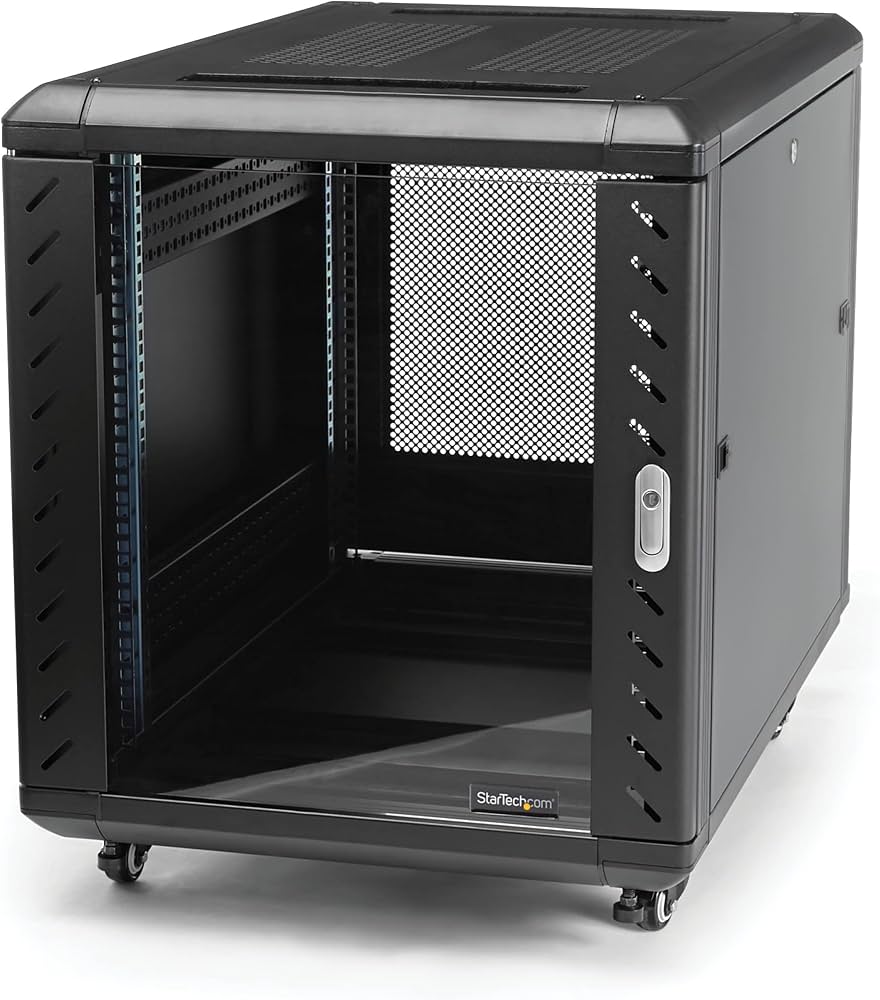
To compete effectively, you should consider hardware capable of running a local validator node or a high-performance RPC endpoint. This reduces reliance on third-party services and gives you direct access to the blockchain state. Look for systems with high-speed NVMe storage for rapid ledger access and multi-core CPUs to handle simultaneous transaction processing.

As an Amazon Associate, we may earn from qualifying purchases.
Software and API Access
Your software stack needs to handle real-time data processing and rapid transaction signing. Specialized RPC providers offer direct, uninterrupted access to Solana's core data layer, which is critical for catching fleeting arbitrage opportunities. Ensure your software supports WebSocket connections for live updates and can sign transactions locally to avoid network delays.
No comments yet. Be the first to share your thoughts!